Pests
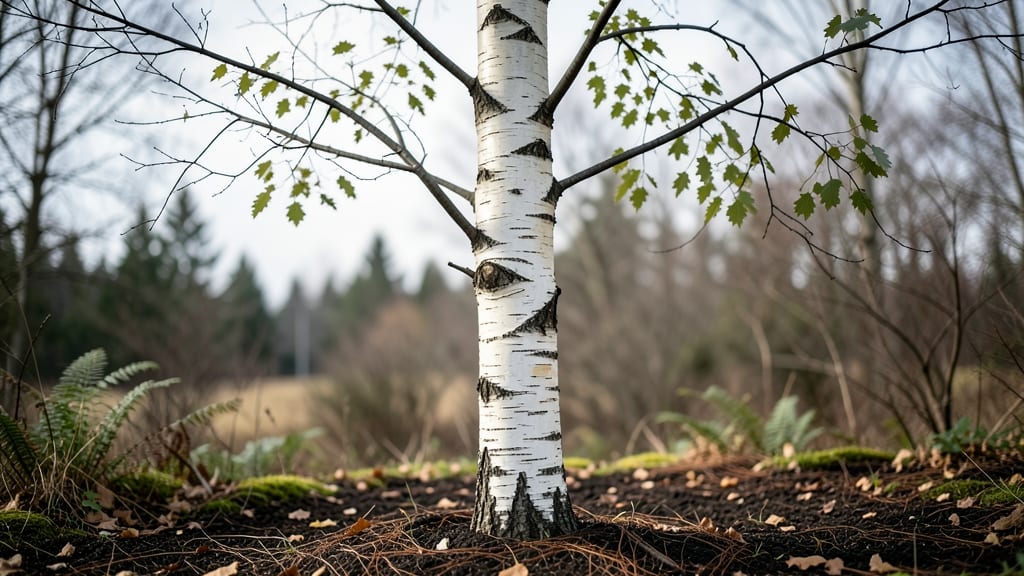
Managing bark in garden beds means clearing fallen debris through raking or careful removal, then recycling it as mulch or compost to protect soil health and root systems. Burning or landfill disposal harms sustainability and disrupts garden ecosystems.
Bark buildup in garden beds isn't just an eyesore—it can smother plants, attract pests, and even create fungal hotspots if left unchecked. 🌿 Different tree barks break down at wildly different rates (pine needles take years, while oak leaves decompose in months), so timing matters when you're clearing debris.
I've found that fall is the best season to tackle this—cool temps and damp soil make the process easier without disturbing plant roots.
What most gardeners miss is how repurposing bark can actually benefit your yard. Instead of tossing it, shredded bark makes excellent mulch (especially for acid-loving plants like blueberries), while larger chunks create perfect wildlife habitats for beneficial insects.
Just avoid cedar bark—its strong scent deters some pests but can also inhibit plant growth if overused.
💡 In This Article
- How Bark Affects Soil and Plant Growth
- Safe Bark Removal and Repurposing Methods
How bark affects soil and plant growth
When tree bark decomposes in garden beds, it transforms into a natural soil amendment rich in carbon. This process feeds beneficial microbes that break down organic matter, releasing nutrients like nitrogen and phosphorus over time.
Pine bark, for instance, contains 30-40% lignin, a complex polymer that decomposes slowly (taking 2-5 years), while oak bark breaks down faster due to its thinner, more porous structure.
The key factor is the bark's carbon-to-nitrogen ratio—pine bark has a 50:1 ratio, which can temporarily immobilize nitrogen if added in excess.
The texture of bark also matters: coarse cedar bark creates air pockets that improve soil aeration, while fine oak bark fragments blend more seamlessly into the soil. However, thick accumulations (over 2-3 inches) can smother plant roots by blocking oxygen and water.
This is why gardeners often see fungal growth or pest infestations in heavily bark-covered areas—the moisture trapped beneath creates ideal conditions for pathogens like Phytophthora or armillaria root rot. 🌱 The scent of decomposing bark (especially cedar) can even repel some beneficial insects while attracting others, like termites drawn to the cellulose-rich material.
Different tree species release unique compounds during decomposition that affect plant growth. Pine bark, for example, contains terpenes that suppress certain weeds but may inhibit some vegetable seedlings if applied too thickly. Meanwhile, oak bark releases tannins that slowly enrich soil with organic matter, improving water retention.
The breakdown rate varies dramatically: cedar bark (with its high resin content) can take 3-7 years to decompose fully, while maple bark breaks down in 1-2 years.
This variation means gardeners must match bark type to their plants' needs—acid-loving plants like azaleas thrive with pine bark mulch, while vegetable gardens benefit more from faster-decomposing options like oak.
What most people don't realize is how bark decomposition impacts soil pH over time. Pine bark, for instance, creates slightly acidic conditions (pH 5.0-6.0), while oak bark tends toward neutral (pH 6.0-7.0). This chemical shift can either benefit or harm plants depending on their preferences.
For example, blueberries require acidic soil (pH 4.5-5.5), making pine bark an excellent mulch choice, whereas tomatoes prefer neutral soil and may struggle with excessive pine bark.
The decomposition process also releases volatile organic compounds (VOCs), which can temporarily alter soil chemistry—this is why freshly added bark may initially slow plant growth before its benefits become apparent.
Pest dynamics play a crucial role too. Bark piles attract insects like bark beetles or carpenter ants, which can spread to nearby plants. However, some bark (like cedar) naturally repels pests due to its aromatic oils.
The trade-off is that these same oils can inhibit seed germination if applied too thickly. 🌿 To mitigate risks, gardeners should shred bark into ½-inch pieces or smaller, increasing surface area for faster decomposition and reducing pest habitats.
This approach also prevents bark from forming impenetrable layers that block sunlight and moisture from reaching soil-dwelling organisms.
One often-overlooked benefit is how bark decomposition supports soil structure. The fibrous nature of decomposed bark improves soil aggregation, creating stable crumb structure that holds moisture while allowing excess water to drain. Studies show that gardens amended with 10-20% bark compost exhibit 20-30% better water infiltration compared to unamended soil.
The porous structure also provides habitat for mycorrhizal fungi, which form symbiotic relationships with plant roots, enhancing nutrient uptake. This makes bark not just a waste product, but a valuable soil conditioner when managed properly.