Vegetables
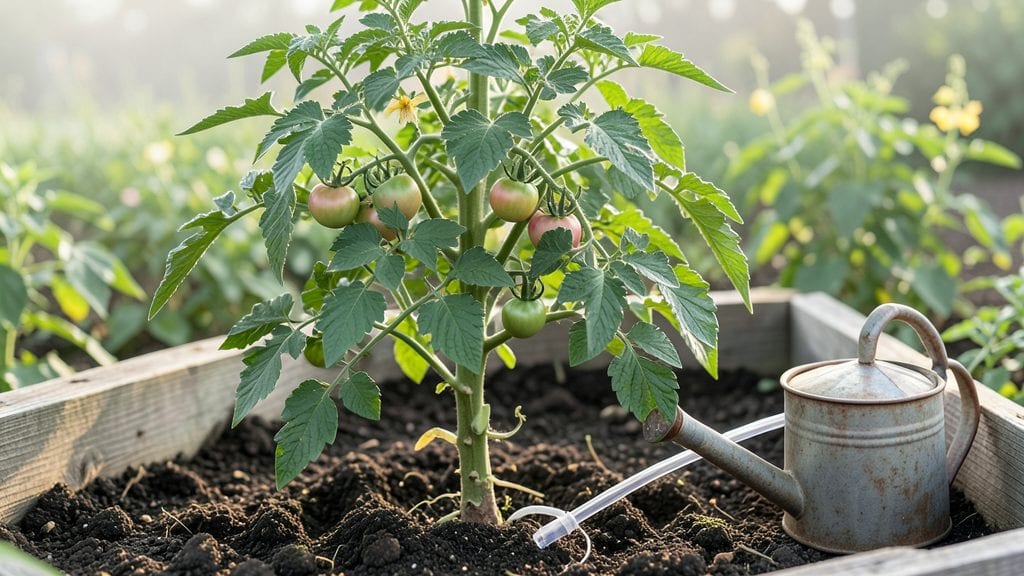
Watering your vegetable garden at the best time of day can make the difference between thriving 🥬 plants and wasted effort.
Watering your vegetable garden at the wrong time can stress your plants, waste water, and even invite pests—so timing matters more than you think. The right schedule keeps roots healthy, reduces evaporation, and maximizes nutrient absorption.
Most gardeners swear by early morning watering, but late evening works too, especially in hot climates. The key is avoiding midday heat, when water evaporates faster and leaves plants vulnerable to fungal diseases.
Below, I’ll break down the science behind cool-hour watering, regional adjustments, and how to spot when your garden is thirsty—or drowning.


Optimal watering times for vegetable gardens: science-backed cool-hour windows
Did you know that watering your vegetable garden at the wrong time can waste up to 30% of your water due to evaporation? The best time of day to water vegetable gardens isn’t just about convenience—it’s about cool-hour efficiency and plant health.
When you water during peak sun hours (10 AM–4 PM), water evaporates faster, leaving roots thirsty and foliage scorched. Instead, aim for early morning (5–9 AM) when temperatures are cooler and dew naturally forms, signaling ideal hydration conditions.
Science backs this up: Studies show that evening watering (after sunset) also works well, especially in humid climates, because it reduces fungal risks like powdery mildew and blight. However, timing matters most in hot, dry regions, where midday watering can cause leaf burn and root stress.
Let’s break down the science of evaporation rates and how your garden’s microclimate affects watering windows.
Evaporation rates skyrocket when temperatures exceed 75°F (24°C). A 1-inch watering session at noon in 90°F (32°C) heat can lose 50% of its volume to evaporation within 30 minutes. That’s why early morning watering gives roots 6–8 hours to absorb moisture before the sun peaks. Meanwhile, late evening watering (after 8 PM) helps prevent fungal spores from thriving on damp leaves overnight.
Here’s the golden rule: Water when soil temperatures are 10–15°F cooler than daytime highs. For most USDA Zones 5–9, that means 5–9 AM or 6–8 PM.
But if you’re in a desert climate (Zone 10+), shift to pre-dawn watering (4–6 AM) to beat the 100°F+ heat.
🌱 comparison table
| Watering Time | Best For | Evaporation Loss | Fungal Risk | Root Absorption |
|---|---|---|---|---|
| Early Morning (5–9 AM) | Hot/Dry Climates Most Vegetables |
Low (10–20%) | Low (Dew helps dry foliage) | High (6–8 hrs absorption) |
| Late Evening (6–8 PM) | Humid Climates Leafy Greens |
Very Low (5–15%) | Moderate (Prevents overnight dampness) | Moderate (4–6 hrs absorption) |
| Midday (10 AM–4 PM) | Avoid (Unless Emergency) | High (40–60%) | High (Wet foliage + heat = fungus) | Low (Evaporates before roots absorb) |
| Pre-Dawn (4–6 AM) | Desert/Drought Zones | Very Low (5–10%) | Low (Minimal leaf wetness) | High (8+ hrs absorption) |
The root zone temperature is another critical factor. Most vegetable roots thrive when soil temps stay between 60–75°F (15–24°C). Watering in the cool hours ensures roots stay in this optimal range, while midday watering can overheat roots, causing stress signals that stunt growth.
For example, tomatoes and peppers (which are sensitive to root heat) benefit most from early morning watering.
If you’re using drip irrigation or soaker hoses, you have more flexibility to water during cool hours without worrying about foliar wetness. But even with these systems, avoid midday activation—the water pressure and heat can damage delicate stems like basil or cucumbers.
Instead, set timers for 6 AM or 7 PM to align with your garden’s natural cooling cycle.
Pro tip: Test your soil’s moisture retention by digging 2 inches deep after watering. If it’s dry, you’re either watering too infrequently or at the wrong time. Clay soils
How to adjust watering times by plant type and climate zone
Not all vegetables thrive on the same watering schedule. Leafy greens like spinach and lettuce need consistent moisture, while root vegetables such as carrots and potatoes prefer deeper, less frequent watering. Fruiting plants like tomatoes and peppers also have unique needs—too much water can split their fruit, while too little causes blossom end rot.
Adjusting your watering times based on these categories and your climate zone ensures healthier plants and better yields.
Your local climate plays a huge role in watering success. In hot, dry climates (like USDA Zones 7-10), water in the early morning to prevent rapid evaporation and fungal growth. In humid climates (like Zones 4-6), late evening watering works best to avoid prolonged leaf wetness, which attracts diseases.
Even drought-tolerant plants like zucchini and okra need strategic watering to avoid stress during heatwaves.
🌱 summary table
Plant Type
Best Time to Water
Climate Adjustments
Watering Depth
Leafy Greens (Lettuce, Spinach, Kale)
Early Morning (5-8 AM)
Cool climates: Daily; Hot climates: Every 2 days
1 inch per week
Root Vegetables (Carrots, Potatoes, Beets)
Late Morning (9-11 AM)
Dry climates: Deep water 2x/week; Humid climates: Daily shallow water
1.5-2 inches per session
Fruiting Plants (Tomatoes, Peppers, Cucumbers)
Early Morning (5-7 AM)
Hot climates: Daily; Humid climates: Every other day
1-1.5 inches per week
Drought-Tolerant Plants (Zucchini, Okra, Swiss Chard)
Late Evening (6-8 PM)
Extreme heat: Water deeply 3x/week; Normal heat: Weekly
2 inches per session
For leafy greens, shallow but frequent watering keeps their tender leaves hydrated without causing rot. Water these plants in the early morning so excess moisture evaporates before nightfall, reducing the risk of fungal diseases.
If you’re in a humid climate, like the southeastern U.S., avoid watering after 6 PM to prevent prolonged leaf wetness, which can lead to powdery mildew.
Root vegetables need a different approach. Water them in the late morning to allow the soil to dry slightly between waterings, preventing rot. In sandy soils common in desert climates (like Arizona), water deeply 2-3 times per week to encourage root growth downward. In clay-heavy soils (like those in the Midwest), water more frequently but shallowly to avoid waterlogging.
When it comes to fruiting plants, consistency is key. Tomatoes and peppers hate inconsistent moisture, which can cause blossom end rot. Water them in the early morning to give their leaves time to dry before evening humidity sets in.
In hot climates, like California’s Central Valley, mulch around the base of plants to retain moisture and reduce evaporation. For drought-tolerant plants, like zucchini, water deeply but less often—this encourages stronger root systems that can withstand dry spells.
Always adjust your schedule based on weather forecasts. If a heatwave is coming, water more frequently in the early morning to protect plants from stress. If rain is expected, skip watering entirely to avoid over-saturating the soil.
By tailoring your watering times to your plants and climate, you’ll see healthier growth, fewer pests, and a more productive vegetable garden.
Pro tip: Use a soil moisture meter to check when roots need water. This tool helps you avoid overwatering or underwatering, ensuring your plants get just the right amount of hydration at the right time.