How To
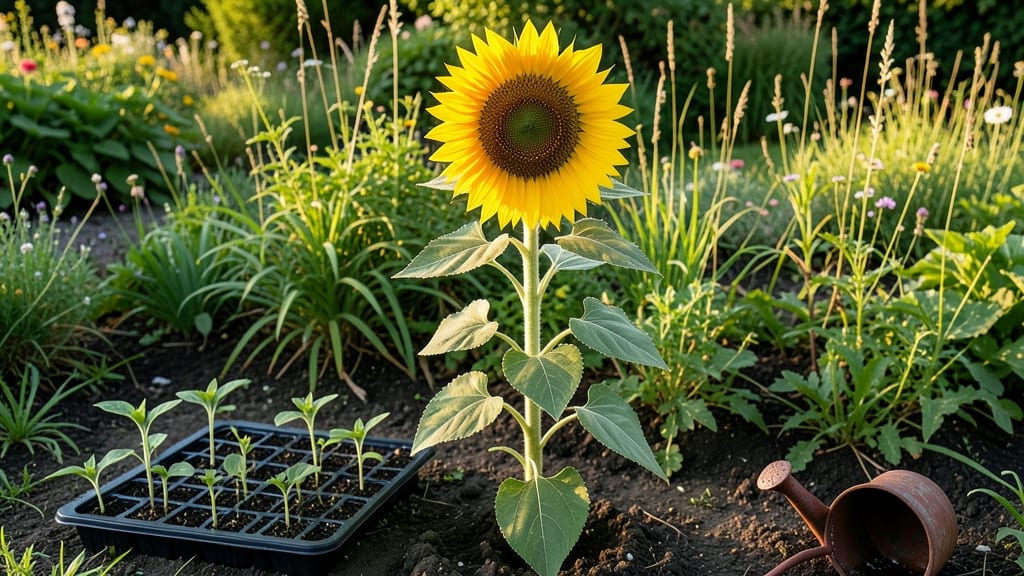
Children’s garden projects combine hands-on learning with creativity, helping kids grow flowers, herbs, or veggies while developing patience, science skills, and environmental awareness through simple, safe activities like seed planting or bug hotels.
Kids' gardening isn't just about dirt and plants—it's a full sensory experience that builds confidence and curiosity. 🌱 From planting sunflower seeds to creating mini ecosystems with pebbles and moss, these projects teach real-world science without feeling like schoolwork.
I've seen even shy kids light up when they watch their first bean sprout or when ladybugs visit their bug hotel. The best part? You don't need a big yard—container gardens work perfectly for balconies or windowsills.
These activities also sneak in important life lessons like consistency (watering schedules) and observation (noticing how plants change). The tactile nature of gardening—touching soil, feeling leaves, smelling herbs—makes abstract concepts like photosynthesis feel tangible.
Plus, the sense of accomplishment when something grows from a tiny seed is unmatched for building resilience in kids.
💡 In This Article
- Educational Benefits of Kids’ Gardening Activities
- Top 10 Easy Garden Projects for Different Ages
Educational benefits of kids’ gardening activities
Gardening transforms abstract science concepts into tangible lessons. When kids plant a seed, they witness firsthand how photosynthesis works—the way sunlight converts water and carbon dioxide into energy stored in leaves.
This hands-on demonstration of plant biology beats textbook diagrams any day. 🌱 For example, tracking how a sunflower grows from a 1-inch sprout to 6 feet tall over 100 days teaches exponential growth in a way that math problems never could.
The soil itself becomes a classroom. Kids learn about decomposition by watching worms break down organic matter, or how pH levels affect plant health when testing acidic vs. alkaline soils with simple kits.
Measuring soil moisture with a hygrometer introduces basic physics—capillary action and water retention—while creating compost teaches ecosystems in action. The tactile experience of mixing soil components (peat moss, perlite, compost) develops fine motor skills, especially when handling ¼-inch seeds that require precise placement.
Math skills sneak in naturally through measurements. Kids calculate spacing between plants (typically 12-24 inches apart) to prevent competition, or track growth in centimeters each week. A 2-foot tomato plant might need 30% more water than a 6-inch basil plant—these real-world ratios reinforce fractions and percentages.
The patience required to wait 3-4 weeks for bean sprouts to emerge builds delayed gratification, while observing pollinators teaches interdependence in ecosystems.
Responsibility grows alongside the plants. Watering schedules (every 2-3 days in summer) teach consistency, and kids quickly learn that missed waterings mean wilted leaves. Creating a bug hotel from bamboo tubes and pinecones introduces kids to biodiversity—they might discover ladybugs, bees, and spiders all contributing to their garden's health.
The sensory experience—smelling mint leaves, touching velvety rose petals, tasting homegrown strawberries—makes learning multisensory and memorable.
Ecology becomes personal when kids see how their actions impact the environment. Planting native wildflowers attracts 20-30% more pollinators than non-native species, showing how small choices matter. The decomposition process in compost piles demonstrates nutrient cycling, while comparing organic vs. chemical fertilizers introduces chemistry concepts.
These lessons extend beyond the garden, helping kids understand larger environmental issues like food miles and habitat loss.
What makes gardening uniquely effective is how it combines all these benefits into one activity. A child measuring soil moisture while waiting for beans to sprout is simultaneously practicing science, math, patience, and responsibility—without realizing they're learning. The best part?
Every garden has its own experiments: Will the marigolds repel pests better than the basil? How much faster will the radishes grow than the carrots? These questions spark curiosity that lasts long after the plants are harvested. ✨