Fertilization
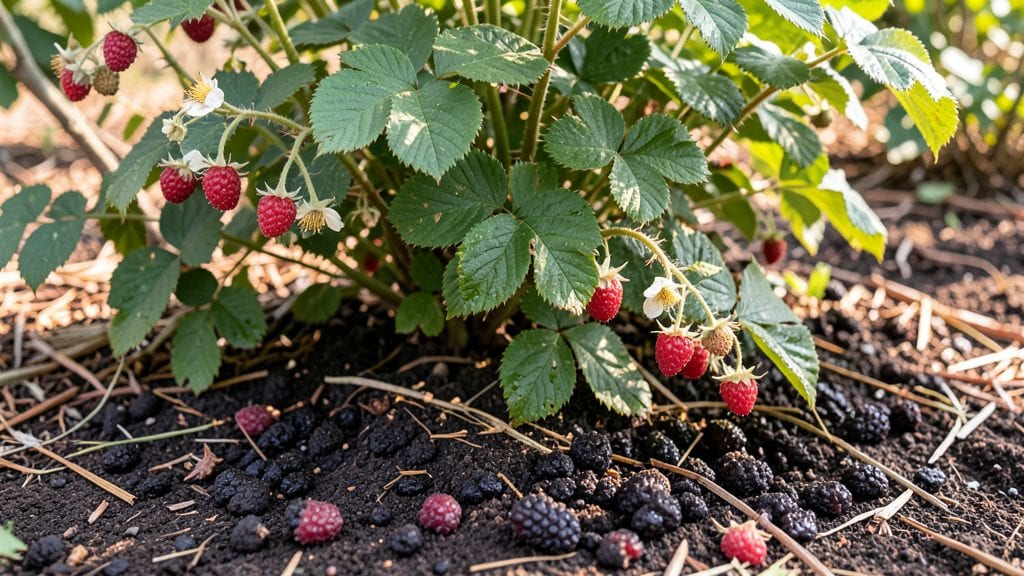
Coffee grounds in gardening soil improve drainage, add nitrogen-rich organic matter, and lower soil pH for acid-loving plants like azaleas and blueberries. Apply sparingly—too much can compact soil or attract pests.
Coffee grounds act like a natural fertilizer because they're packed with nitrogen (about 2-4% by weight), which helps plants grow lush and green. 🌱 The used grounds also attract beneficial microbes that break down organic matter faster, creating a healthier soil ecosystem.
However, they're not a one-size-fits-all solution—while acid-loving plants like tomatoes and blueberries thrive, others like lavender or roses may suffer from the lower pH. I always mix them into the top inch of soil rather than piling them directly, which prevents compaction and keeps the soil aerated.
For best results, I recommend using 1-2 cups of grounds per plant monthly, especially during the growing season. You can also create a simple coffee compost tea by steeping used grounds in water for 24 hours, then straining and using it as a liquid fertilizer.
Just remember: fresh coffee grounds can attract pests like ants, so always let them dry out completely before applying to your garden.
💡 In This Article
- How Coffee Grounds Enhance Soil Fertility
- Best Plants for Coffee Grounds and Application Tips
How coffee grounds enhance soil fertility
Here's what's actually happening when you mix coffee grounds into your soil: those spent grounds contain roughly 2-4% nitrogen by weight, which is about half the nitrogen found in fresh manure. This nitrogen acts as a slow-release fertilizer, feeding plants over weeks rather than days.
The key factor is how this nitrogen transforms—microbes in the soil convert it into ammonium, then nitrates, which plant roots can absorb. This process also releases trace minerals like potassium and phosphorus, though in smaller amounts than compost or manure.
The real magic happens below the surface where coffee grounds stimulate microbial activity. Used grounds provide both food and shelter for beneficial bacteria and fungi, which break down organic matter faster and create more stable soil aggregates.
Think of it like adding a buffet to your garden's microbial community—more activity means better nutrient cycling. However, too much can create a dense, compacted layer that suffocates roots. I've seen gardens where coffee grounds were piled too thickly, leading to waterlogged soil that repelled oxygen. The solution?
Mix them into the top 1-2 inches of soil rather than creating a surface layer.
What most people don't realize is how coffee grounds affect soil acidity. Fresh grounds have a pH of about 6.2-6.8, which is slightly acidic, but as they decompose, they can lower soil pH further—sometimes by 0.5-1.0 points over time.
This is fantastic for acid-loving plants like blueberries (which need pH 4.5-5.5) but problematic for neutral-soil plants like lavender. The decomposition process also releases organic acids that help break down minerals, making them more available to plants.
This is why coffee grounds can outperform regular compost for certain crops, even though compost has more balanced nutrients overall.
Let's compare coffee grounds to other organic amendments: compost provides a broader spectrum of nutrients (including phosphorus and potassium) but has less concentrated nitrogen. Manure offers similar nitrogen levels but can contain weed seeds and pathogens if not properly composted.
Coffee grounds fall somewhere in between—great for nitrogen and acidity but not a complete fertilizer. The texture also matters: used grounds are coarse and granular, which improves soil aeration when mixed properly, while fresh grounds are more compact and can smother roots if overused.
For the best results, I've found that coffee grounds work particularly well when combined with other amendments. Mixing them with wood ash (which raises pH) creates a balanced environment, while pairing them with compost provides the missing phosphorus and potassium.
The aroma alone—earthy with a faint coffee scent—is a good indicator that your soil is becoming more biologically active. Just be cautious with fresh grounds, which can attract pests like ants and rodents due to their moisture content and residual sugars.
Here's a practical tip: if you're using coffee grounds for acid-loving plants, test your soil pH first. Most garden centers sell affordable test kits. You might be surprised to find your soil is already acidic enough—coffee grounds can push it too low.
For example, my blueberry bushes thrived when I added grounds, but my nearby raspberries (which prefer slightly less acid) needed a more balanced approach. The secret is monitoring and adjusting based on your specific plants' needs.