Container Gardens
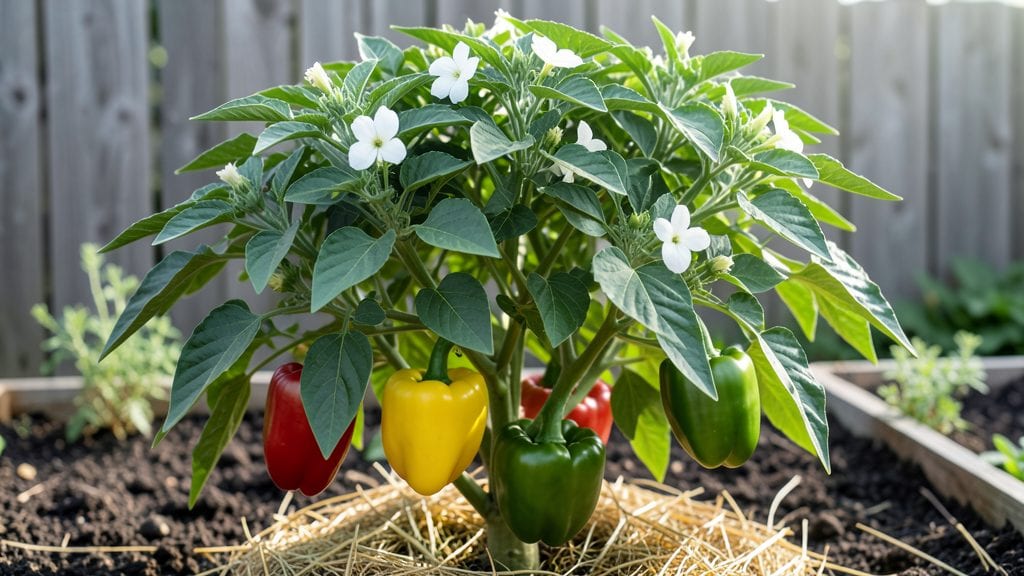
Container gardening peppers can turn even the tiniest balcony into a fiery spice hub—my 5-gallon pots yielded so many jalapeños last summer that I jarred them weekly. The key isn’t just the right pot size but matching varieties to your space and sunlight.
I started with two compact plants (a sweet banana pepper and a fiery habanero) and ended up with more peppers than I knew what to do with by August.
You’ll need containers with drainage, lightweight potting mix, and a sunny spot that gets at least 6 hours of direct sun daily. Most garden centers sell pepper varieties labeled "compact" or "bush," which stay small enough for containers—think 12-18 inches tall at maturity.
The soil should be rich but well-draining; I mix in perlite to prevent soggy roots, which peppers hate.
By week 12, you’ll be harvesting glossy red, green, or yellow peppers straight from your porch. The plants stay productive for months if you keep them fed with a balanced fertilizer every 4-6 weeks and deadhead spent blooms.
Even my black thumb couldn’t kill these—once they start fruiting, they’re basically self-sustaining.
Works for patios, fire escapes, or even windowsills with grow lights. The only real mistake? Underestimating how much they’ll grow—so plan for bigger containers if you love your peppers spicy. Let’s get those seeds started!
📚 In This Guide
- What you need
- Instructions
- Tips and common mistakes
- Wrapping up and next steps
What you need
- ● Containers: 5-gallon pots or larger (minimum 12" deep x 12" wide per pepper plant). Pro tip: Drill drainage holes if not pre-made!
- ● Potting Mix: 1 bag (1.5–2 cubic feet) of high-quality, well-draining container mix (avoid garden soil—it compacts!).
- ● Peppers Seeds/Seedlings: Seeds: 3–5 pepper seeds per container (start indoors 8–10 weeks before last frost).
- ● Seedlings: 1–2 healthy transplants per container (buy from a nursery 4–6 weeks before planting).
- ● Fertilizer: Balanced (10-10-10) or organic: 1 tbsp per plant at planting.
- ● Tomato/vegetable fertilizer: For mid-season boosts (follow label rates).
- ● Tools: Trowel or small shovel
- ● Watering can or hose with gentle nozzle
- ● Pruning shears (for trimming later)
- ● Self-watering container or moisture meter (💡 keeps peppers happy without guesswork).
- ● Mulch (straw or shredded leaves) to retain moisture.
- ● Cage or stakes (for tall varieties like jalapeños or bell peppers).
- ● Epsom salt (1 tbsp per gallon of water monthly for magnesium boost).
- ● Pest control: Neem oil or insecticidal soap (🔥 prevents aphids/spider mites).
Step-by-step instructions for container gardening peppers
Here’s how to grow bold, productive pepper plants in containers—no yard needed.
Select the Right Containers and Soil Mix
Choose containers at least 12 inches deep and 12 inches wide—peppers need room for strong roots. I use 5-gallon fabric pots because they allow excess moisture to escape while still holding enough soil for a full-sized plant. Ensure each container has multiple drainage holes to prevent soggy roots, which cause rot.
Fill the bottom 2 inches with perlite or coarse sand to improve drainage. Then, add 3 gallons of premium potting mix per container. Pepper plants thrive in well-draining, nutrient-rich soil with a pH between 6.0 and 6.8. Mix in 1 tablespoon of balanced organic fertilizer (10-10-10) into the top 2 inches of soil to give seedlings a nutrient boost right away.
Plant Transplants at the Correct Depth
Remove your pepper transplants from their nursery pots and gently loosen the roots if they’re tightly bound. Dig a hole in the center of your container twice as wide as the root ball but no deeper than the pot’s original soil line. This prevents burying the stem, which can cause disease.
Place the plant in the hole and backfill with soil, pressing lightly to eliminate air pockets. Water deeply until moisture runs out the drainage holes—this settles the soil and encourages root spread. You’ll know you’ve done it right when the soil surface looks evenly moist but not saturated. Avoid compacting the soil too tightly, as peppers prefer loose, aerated roots.
Provide Ideal Light and Temperature
Peppers demand full sun (6-8 hours daily) for maximum fruit production. Place containers on a south- or west-facing balcony, patio, or deck. If natural light is insufficient—common in urban settings—supplement with a full-spectrum LED grow light positioned 6-12 inches above the plants. Keep lights on for 14-16 hours daily to mimic long summer days.
Maintain temperatures between 70-85°F for optimal growth. Peppers are heat-lovers but won’t tolerate frost. If nighttime temperatures drop below 55°F, move containers indoors near a sunny window or under grow lights. Watch for yellowing leaves—this signals either too much water or insufficient light. Adjust care immediately to prevent stress.
Water and Fertilize for Maximum Yield
Water containers when the top 1-2 inches of soil feel dry to the touch. Pepper plants are drought-sensitive, but overwatering leads to blossom end rot or root rot. I water deeply 2-3 times per week in summer, using 1-2 cups per container each time. Always water at the base of the plant to avoid wetting foliage, which spreads disease.
Feed plants every 2-3 weeks with liquid fertilizer (diluted to half-strength) once they begin flowering. This encourages fruit set and ripening. You’ll notice small green peppers forming within 4-6 weeks after transplanting. If flowers drop without setting fruit, your plants may need more phosphorus—switch to a bloom-boosting fertilizer (5-10-5 ratio) for a few weeks.
Prune and Support for Healthy Growth
Remove any suckers (small shoots growing in the leaf axils) to direct energy toward fruit production. Pinch off the first few suckers when they’re no larger than 2 inches to keep plants compact. This prevents overcrowding and improves air circulation, reducing the risk of fungal issues.
As peppers grow, they may need staking or cages to support heavy fruit loads. Install 5-foot bamboo stakes or wire tomato cages at planting time. Gently tie the main stem to the support as it grows, using soft plant ties to avoid damaging the stem. You’ll see fruits ripening in 60-90 days, depending on the variety—watch for color changes from green to red, yellow, or purple, depending on the type.
Tips & tricks for perfect container gardening peppers
Here's how to maximize your container pepper garden's potential with these essential strategies that'll make all the difference in your 12-week harvest.
Container Selection: While 5-gallon fabric pots work well, consider adding a second drainage hole if your container only has one at the bottom. This prevents water from pooling and creating anaerobic conditions that stunt root growth. For urban balconies, look for lightweight containers with built-in saucers to catch excess water and prevent messes on your deck.
Soil Preparation: The pH between 6.0 and 6.8 is critical, but don't stop there—test your soil's nutrient levels too. I've found that adding a handful of worm castings to the 3 gallons of potting mix gives plants an immediate nutrient boost. This is particularly helpful in containers where nutrients deplete faster than in ground soil. Mix it into the top 2 inches where you'll place your transplant.
Light Optimization: Those 14-16 hours of light are non-negotiable for pepper production, but quality matters just as much as quantity. Position your grow lights so they're 6-12 inches above the plants and adjust as they grow. I've noticed that peppers exposed to direct south-facing sunlight develop more intense flavors, so if you have the option, prioritize that orientation for your containers.
Temperature Management: While maintaining 70-85°F is ideal, nighttime temperatures below 55°F can be particularly damaging. I recommend moving containers indoors during cold snaps rather than relying solely on grow lights. A sunny windowsill or under lights will help maintain that critical temperature range. Watch for leaf curling as an early warning sign of temperature stress—this gives you time to adjust before damage occurs.
Pro Tips for Container Gardening Peppers
- Here's how to maximize your container pepper garden's potential with these essential strategies that'll make all the difference in your 12-week harvest.
- Container Selection: While 5-gallon fabric pots work well, consider adding a second drainage hole if your container only has one at the bottom.
- Soil Preparation: The pH between 6.0 and 6.8 is critical, but don't stop there—test your soil's nutrient levels too.
Frequently asked questions
Got questions about growing peppers in containers? You’re not alone! Here are answers to the most common queries to help you grow a thriving pepper garden—no green thumb required.
What’s the best container size for growing peppers?
Peppers need room to grow, so aim for containers at least 12–18 inches deep and wide. Five-gallon buckets or fabric grow bags work great! Dwarf varieties (like ‘Jalapeño M’) thrive in smaller pots (5+ gallons), while larger types (like ‘Bell’) need bigger space. Pro tip: Add drainage holes to prevent root rot!
How long does it take for container-grown peppers to produce?
Most pepper varieties take 60–90 days from transplant to harvest, depending on the type. Start seeds indoors 8–10 weeks before your last frost date for a summer-long harvest. Hot peppers (like ‘Cayenne’) often mature faster than sweet bells. Pro tip: Use grow lights if your space lacks sunlight!
Can I grow peppers in containers year-round?
Peppers love warmth—ideal temps are 70–90°F (21–32°C). In cold climates, grow them indoors near a sunny window or under grow lights during winter. Move containers outside in spring/summer, then bring them back indoors before frost. Pro tip: Use a heat mat for seedlings to speed up germination!
How do I keep pests away from my container peppers?
Common pests include aphids, spider mites, and whiteflies. Prevent issues with neem oil or insecticidal soap. Encourage beneficial insects (like ladybugs) and remove damaged leaves promptly. For severe infestations, try diatomaceous earth around the soil line. Pro tip: Rotate containers to disrupt pest cycles!
What if my container peppers aren’t fruiting?
Peppers need full sun (6+ hours/day), consistent water, and balanced fertilizer (like 10-10-10). Check for underwatering, overcrowding, or nutrient deficiencies (yellow leaves = nitrogen lack). Hand-pollinate flowers with a paintbrush if bees are scarce. Pro tip: Prune suckers to boost fruit production!
Still stumped? Drop your question in the comments—we’re happy to help!
Wrapping up and next steps
Container gardening peppers is a rewarding way to grow bold flavors in small spaces—no green thumb required! 🌱 With the right setup, you’ll enjoy a bountiful harvest in just 12 weeks, proving that big rewards come from tiny pots.
Whether you’re a beginner or a seasoned gardener, these spicy (or sweet!) results will inspire you to experiment with more container-friendly crops.
Ready to start? Grab your containers, pick your favorite pepper varieties, and plant your seeds today. Your future salsa, stir-fries, or homemade hot sauce are just a few weeks away—let’s grow something delicious! 🌶️