Pests
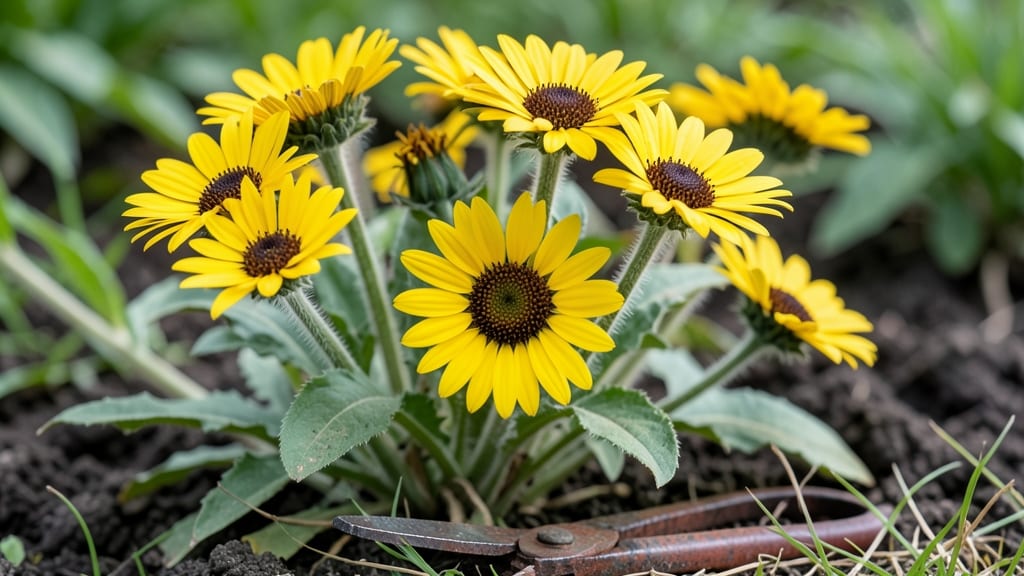
Deer eating your garden isn’t just annoying—it’s heartbreaking after months of nurturing those plants. 🌱 I’ve watched neighbors lose entire seasons to these graceful but greedy browsers, but I’ve also seen gardens thrive with the right tricks.
The key isn’t brute-force fencing (though it works) but clever, low-impact barriers that actually make deer think twice.
Natural repellents like commercial sprays or homemade garlic-chili mixes work best when combined with motion-activated sprinklers or reflective tape. Deer hate surprises—especially when their favorite snacks suddenly turn into a peppery, stinky mess. The best part? These methods blend into your landscape instead of looking like a fortress.
You’ll still get those vibrant blooms and crisp veggies without sacrificing your garden’s charm. Deer-resistant plants like lavender, Russian sage, and boxwood help too, but the real game-changer is making your space feel unwelcoming—not just to deer, but to their curious noses.
This works for small urban gardens, sprawling rural plots, and everything in between. The secret? Layering repellents so deer never get comfortable. Let’s keep your hard work safe—and your garden looking effortlessly protected.
How Deer Target Your Garden
Deer aren’t just wandering into your garden out of curiosity—they’re following a mix of instinct, hunger, and habitat needs. Understanding why they’re munching on your plants (and how to outsmart them) starts with knowing their motivations. Here’s a breakdown of the key drivers behind their garden raids:
Deer are selective browsers, not mindless snackers. Their diet shifts with the seasons, but they prioritize:
- Young, tender shoots: New growth is packed with nutrients and easier to digest. Think seedlings, fresh herbs, and soft-stemmed veggies like lettuce or beans.
- High-protein plants: Deer target nitrogen-rich plants (like clover or alfalfa) to support their muscle and antler growth—especially during spring and fall.
- Fruits and flowers: Berries, apples, and blooms (e.g., roses or peonies) are high in sugars and vitamins, making them irresistible treats.
Science note: Deer have a rumen (a four-chambered stomach) that ferments fibrous plants, but they crave quick energy from softer, nutrient-dense foods. Your garden’s lushest plants? Their all-you-can-eat buffet.
If your yard feels like a deer’s all-you-can-eat salad bar, it’s likely because:
- Urban sprawl reduces wild food sources: As forests shrink, deer rely more on suburban gardens for sustenance. A 2018 study in Wildlife Society Bulletin found that deer in developed areas consume up to 3x more cultivated plants than in rural zones.
- Lack of natural predators: Coyotes, wolves, and bears keep wild deer populations in check—but in most suburbs, these predators are absent. Without fear, deer boldly graze.
- Water availability: Gardens with ponds, birdbaths, or even damp soil attract deer. They’ll linger to drink, then snack on nearby plants.
Actionable insight: If your neighborhood has seen a deer population boom, your garden is a prime target. Pro tip: 💡 Remove standing water sources and avoid overwatering lawns to reduce their appeal.
Deer don’t raid gardens year-round—they follow a predictable feeding cycle tied to:
Season
Why They’re Hungry
What They Target
Spring
After winter, deer need to replenish fat reserves for antler growth and breeding.
Dandelions, clover, tulip bulbs, and new leafy greens.
Summer
Food is abundant, but deer still seek high-moisture plants to stay hydrated.
Corn, soybeans, and fruit trees (like cherries or plums).
Fall
They bulk up for winter, eating 20–30% more than in summer.
Acorns, apples, pumpkins, and garden vegetables (especially root crops).
Winter
Snow covers natural food, forcing them to scavenge in gardens.
Evergreens (like juniper or arborvitae), bark, and stored winter squash.
Key takeaway: Fall is the worst season for garden damage—deer can consume up to 7–10 pounds of plant material per day during this time. 🍂 Plan defenses before October!
Deer have an exceptional sense of smell—they can detect food from over 1/4 mile away. Here’s how your garden becomes a magnet:
- Fermenting or rotting plants: The smell of decomposing veggies or fallen fruit attracts deer like a dinner bell.
- Human food waste: Even a single dropped apple core can lure deer into your yard for repeat visits.
- Previous successful raids: Deer are highly intelligent and remember where food is easy to find. If they once feasted on your hostas, they’ll return.
Science note: Research from Journal of Wildlife Management shows deer associate specific scents with food rewards. Once they link your garden to an easy meal, they’ll keep coming back.
Next step: Now that you know why deer are dining on your garden, the real question is—how do you make your yard less appealing than the buffet next door? (Spoiler: It’s not just fences.)
Stop Deer Damage Without Fences
Deer can turn your garden into a buffet faster than you can say "salad bar," but the good news is you don’t need a fortress-like fence to keep them away.
Below are practical, fence-free solutions tailored to the most common reasons deer raid your garden—plus prevention tips to keep them from returning.
---
Deer have an incredible sense of smell, and if your garden smells like an all-you-can-eat buffet, they’ll show up. Fix it with these scent-blocking tricks:
- 🔥 Use Strong Natural Repellents Deer dislike pungent smells like garlic, hot peppers, or predator urine (yes, really!). Mix 1 part cayenne pepper + 1 part garlic powder + 1 gallon of water, spray on plants, and reapply after rain.
For a ready-made option, try commercial deer repellent sprays (like Deer Out or Liquid Fence).
- 🍳 Plant Deer-Resistant Alternatives Swap their favorite snacks (hostas, tulips, roses) for deer-deterrent plants like: - Lavender (smells great to humans, not deer) - Russian Sage (strong fragrance they avoid) - Foxglove (toxic to deer) - Marigolds (bitter taste they dislike)
- 👨🍳 Cover Young Plants with Netting If deer are zeroing in on seedlings, lightweight row covers or bird netting (staked down firmly) create a physical barrier without looking like a prison.
---
If your garden gets hit after dark, deer are likely confident and hungry. Disrupt their routine with these nighttime deterrents:
- 🔪 Motion-Activated Lights or Sprinklers - Motion-activated lights (like those for security) startle deer when they approach. - Motion-activated sprinklers (e.g., ScareCrow) spray a sudden burst of water—deer hate getting wet!
- 🎯 Hang Reflective Objects Deer spook easily at shiny, moving things. Hang old CDs, aluminum pie pans, or reflective tape from strings or trees. The flickering light confuses them.
- 🌡️ Use Heat or Noise Deterrents - Radiant heat cables (like those for driveways) emit warmth that deer dislike. - Wind chimes or radio noise (left on a talk station) can keep them away—just make sure it’s loud enough!
---
If deer keep returning, they’ve likely claimed your garden as their territory. Break the cycle with these long-term fixes:
- 💡 Remove All Attractants - Clean up fallen fruit (deer love apples, berries, and grapes). - Avoid over-fertilizing—rich soil = more appealing plants. - Secure trash cans (deer will eat pet food, bread, or leftovers).
- 🌱 Create a "Deer Buffer Zone" Plant a 10-foot barrier of thorny shrubs (like barberry, roses, or hawthorn) around the perimeter. Deer won’t risk the pricks!
- 🎯 Use Human Hair or Predator Urine - Soak old hair (from salons or your own brush) in water, strain, and spray on plants. The scent tricks deer into thinking predators are near. - Predator urine (coyote or wolf) is another effective (but pricier) option—reapply every few weeks.
---
Once you’ve solved the immediate problem, lock in your defenses with these proactive strategies:
- 🌿 Rotate Repellent Methods Deer get used to smells and sights, so switch up your deterrents every few weeks (e.g., spray one week, use lights the next).
- 🌱 Mulch with Deer-Repelling Materials Spread wood ash, crushed red pepper flakes, or eggshells around plants—deer dislike the texture and taste.
- 🏡 Keep Your Yard Uninviting - Avoid planting deer magnets (like daylilies or peonies) near your home. - Mow high—deer prefer short, easy-to-graze grass. - Remove brush piles where deer hide during the day.
- 📅 Time Your Planting Deer are most active in late fall and winter when food is scarce. Plant bulbs in early spring (before they wake up hungry) or choose fast-growing annuals that deer ignore.
--- Final Thought: Deer damage doesn’t have to mean giving up your garden—just outsmart them with a mix of repellents, barriers, and smart planting. Start with one or two methods, monitor what works, and adjust as needed.
Before you know it, your garden will be deer-free and thriving! 🌱🚫🦌
Frequently asked questions
Why do deer suddenly start eating my garden when they never bothered neighbors?
Deer follow food availability, and your garden may have become their primary food source if wild options are scarce. Urban sprawl reduces natural habitats, forcing deer to rely on cultivated plants. They also remember successful raids—if they once found easy snacks in your yard, they’ll return. Check for fallen fruit, overripe veggies, or unsecured trash that might be attracting them.
Will commercial deer repellents actually work, or is it just a waste of money?
Commercial repellents like Deer Out or Liquid Fence can be effective, but results vary. The key is consistent reapplication (especially after rain) and combining them with other deterrents. Test a small area first—some sprays contain strong scents that might irritate pets or sensitive plants. For best results, pair repellents with physical barriers or reflective objects.
Can I use predator urine to keep deer away, and where do I get it?
Yes! Predator urine (coyote or wolf) mimics natural threats and works well, but it must be reapplied every 4-6 weeks to stay effective. You can buy it online or from garden centers, but avoid DIY versions made from pet urine—those lack the right scent compounds. For a budget-friendly alternative, soak human hair in water, strain it, and spray it on plants (deer dislike the unfamiliar smell).
Are there any plants deer absolutely refuse to eat?
While no plant is 100% deer-proof, these are their least favorite: lavender, Russian sage, boxwood, daffodils, alliums (like garlic and onions), and marigolds. Deer also avoid plants with thorns (roses, barberry) or strong fragrances (rosemary, mint). Use these as borders or focal points to create a natural barrier. Pair them with repellents for extra protection.
What’s the fastest way to stop deer from eating my new seedlings?
For immediate protection, cover seedlings with lightweight bird netting or row covers secured with stakes or weights. Alternatively, wrap individual plants in mesh bags or cheesecloth (deer can’t reach through small holes). Combine this with a garlic-chili spray (1 part each cayenne pepper and garlic powder per gallon of water) to deter them long-term. Reapply after rain.