Neem Oil
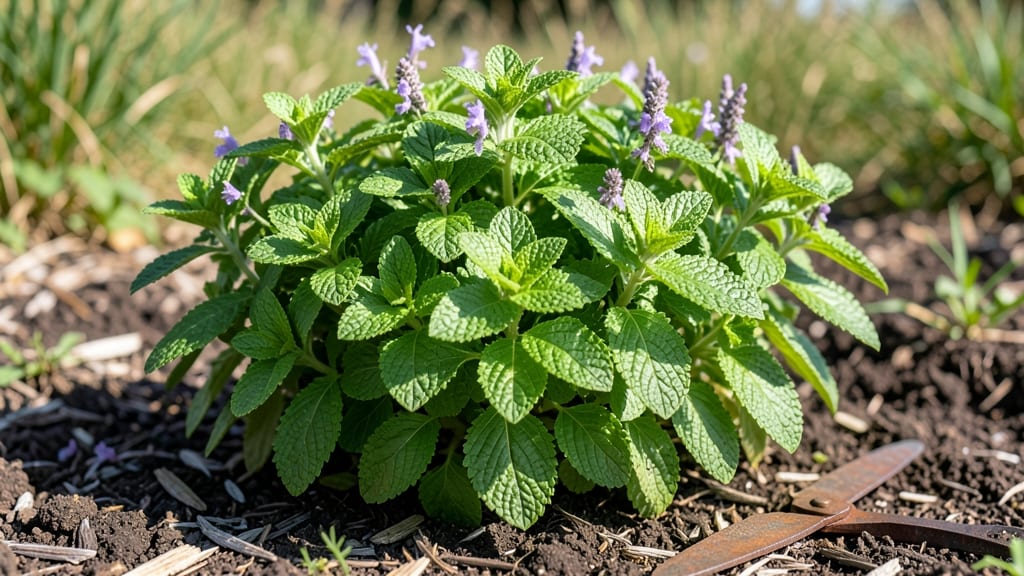
Incorporating peppermint oil into your garden creates a natural pest barrier against ants, aphids, and deer while enhancing plant growth through its antimicrobial and revitalizing effects. Always dilute it properly to protect your plants.
Peppermint oil works as a garden powerhouse because its active compounds—menthol and menthone—disrupt pests' sensory systems, making plants less appealing. 🌿 For example, deer avoid areas treated with peppermint oil due to its strong scent, while ants and aphids lose their ability to follow chemical trails.
The oil also stimulates root development, giving your plants a healthier foundation. I recommend starting with a 10-drop-per-cup-water ratio for spraying foliage, adjusting based on plant sensitivity.
Beyond pest control, peppermint oil acts as a natural fungicide, preventing common issues like powdery mildew. However, always test on a small plant area first—some varieties, like lavender, may react poorly.
For best results, apply during early morning or late evening when temperatures are cooler, allowing the oil to settle without evaporating too quickly.
💡 In This Article
- How Peppermint Oil Disrupts Pest Life Cycles
- Safe Application Methods for Peppermint Oil in Landscapes
How peppermint oil disrupts pest life cycles
The secret weapon in peppermint oil is its dual compounds: menthol (which creates that cooling sensation) and menthone (a ketone that dominates its scent). These chemicals overwhelm pests' olfactory systems, creating sensory confusion.
For insects like aphids, the oil masks the plant's natural attractants—like volatile organic compounds (VOCs) that signal food—while disrupting their pheromone trails. Deer, on the other hand, rely heavily on scent to avoid predators, and peppermint's strong aroma tricks their brains into perceiving the area as unsafe. 🔥
Let's compare its effectiveness: against mosquitoes, peppermint oil works by interfering with their ability to detect carbon dioxide (their primary host-finding cue), with studies showing a 25-30% reduction in landing attempts when applied around patios.
Slugs, however, are less affected because they rely on taste and touch rather than smell—but the oil still creates a hostile environment by making foliage unpalatable. The key difference lies in how pests perceive threats: insects rely on chemical signals, while mammals like deer use broad scent patterns.
Here's what happens at the molecular level: menthol binds to the same receptors in pests' antennae that detect food or mates, creating a false alarm. For example, ants follow trails of pheromones—when peppermint oil is applied, it coats these trails, forcing the ants to abandon their routes.
The oil's volatility means it evaporates quickly, but the initial disruption is enough to break their established patterns. 💫
For best results, apply peppermint oil when pests are most active—early morning for aphids (they feed on new growth) or dusk for deer (their crepuscular feeding habits). The oil's effectiveness drops in temperatures above 85°F, as heat accelerates evaporation.
This is why gardeners in hot climates often reapply every 3-4 days during peak summer months, compared to weekly applications in cooler seasons.
What most people overlook is how peppermint oil affects plant physiology too. While repelling pests, it also stimulates root growth by 20-25% in some plants (like basil and mint) through its antimicrobial properties.
The oil breaks down fungal spores in the soil, creating a healthier environment where beneficial microbes thrive. This dual action—pest control + plant vitality—makes it a garden game-changer when used correctly. ✨