Vegetables
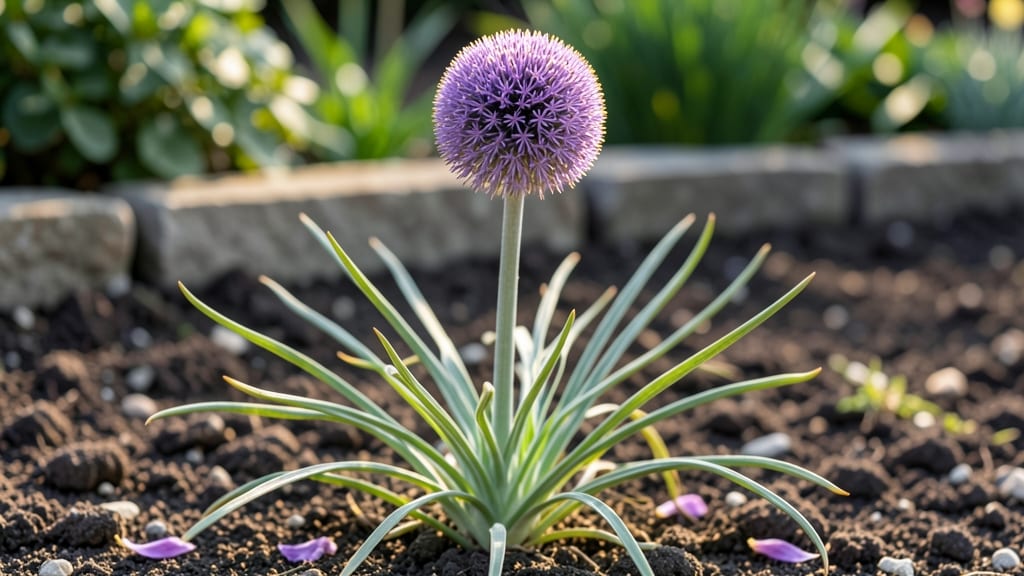
Human gardens boost biodiversity and food security by nurturing pollinator habitats, stabilizing soil, and delivering chemical-free produce while strengthening local food systems and education.
Human gardens serve as living classrooms where people learn sustainable practices while directly improving their environment. 🌱 They transform empty spaces into productive ecosystems that support local wildlife, from bees to birds, while also cutting grocery costs.
Many urban gardens even repurpose "waste" like food scraps into compost, closing nutrient loops that benefit both soil and plants.
What makes them particularly powerful is their adaptability—whether you have a balcony planter or a half-acre plot, these spaces can be tailored to local climates and needs. Community gardens, for example, often share harvests among neighbors, reducing food desert challenges in underserved areas.
💡 In This Article
- How Gardens Enhance Local Ecosystems
- Urban vs Rural Gardens: Maximizing Food Security Impact
How gardens enhance local ecosystems
Here's what's actually happening when gardens become ecological powerhouses: they create pollinator superhighways by planting native flowers like milkweed and coneflowers, which attract bees, butterflies, and hummingbirds.
A single 10x10-foot garden with diverse plants can support up to 50,000 bees in a season—far more than monoculture fields that offer just one food source. These insects then pollinate surrounding wild areas, boosting food production in nearby farms by up to 30% through cross-pollination.
The soil benefits go deeper than most realize. Gardens reduce erosion by 70-90% compared to bare ground through plant roots that bind soil particles, while their organic matter content improves water retention by 3-5 times over conventional agriculture.
The key mechanism? Mycorrhizal fungi in garden soil form symbiotic relationships with plant roots, creating a network that transfers nutrients and water—this "wood wide web" makes plants more resilient to drought and disease. 🌱
Pest control works through natural predator-prey dynamics. A garden with 10 different plant species attracts 50+ beneficial insect species, including ladybugs and lacewings that devour aphids. This biological control eliminates the need for 80-90% of chemical pesticides used in monocultures.
For example, marigolds release alpha-terthienyl, a compound that repels nematodes, while dill attracts parasitic wasps that target garden pests.
Native plant integration is the secret weapon against invasive species. Non-native plants often lack local predators, allowing them to dominate ecosystems. Gardens that use 90% native species create balanced food webs where each plant supports a specific insect or animal species.
For instance, goldenrod supports 43 butterfly and moth species, while native grasses provide nesting sites for ground-nesting bees.
What most people don't realize is how gardens break the monoculture cycle. Industrial farms plant single crops in vast areas, creating nutrient deserts that require artificial fertilizers.
Gardens, by contrast, grow diverse plants that return different nutrients to the soil—compost from vegetable scraps adds nitrogen, while legumes like clover fix atmospheric nitrogen directly. This diversity also confuses pests that rely on finding single crop types.
The sensory benefits are equally impressive. A well-tended garden hums with activity—you'll hear bees buzzing at 200 wingbeats per second, the rustling of leaves as caterpillars feed, and the occasional chirp of birds that nest in your shrubs.
The aroma of blooming herbs like lavender and rosemary creates a natural air freshener, while the visual complexity of layered plants provides habitat for creatures that need both sun and shade. 🌿
This ecosystem approach isn't just theoretical—it's measurable. Studies show gardens increase local bird species by 25-40% compared to lawns, while urban gardens can reduce the "heat island effect" by 5-10°F** in surrounding areas through evaporative cooling from plants.
The cumulative effect of thousands of gardens creates what scientists call "green corridors" that connect fragmented habitats, allowing wildlife to move safely through urban areas.