Planting
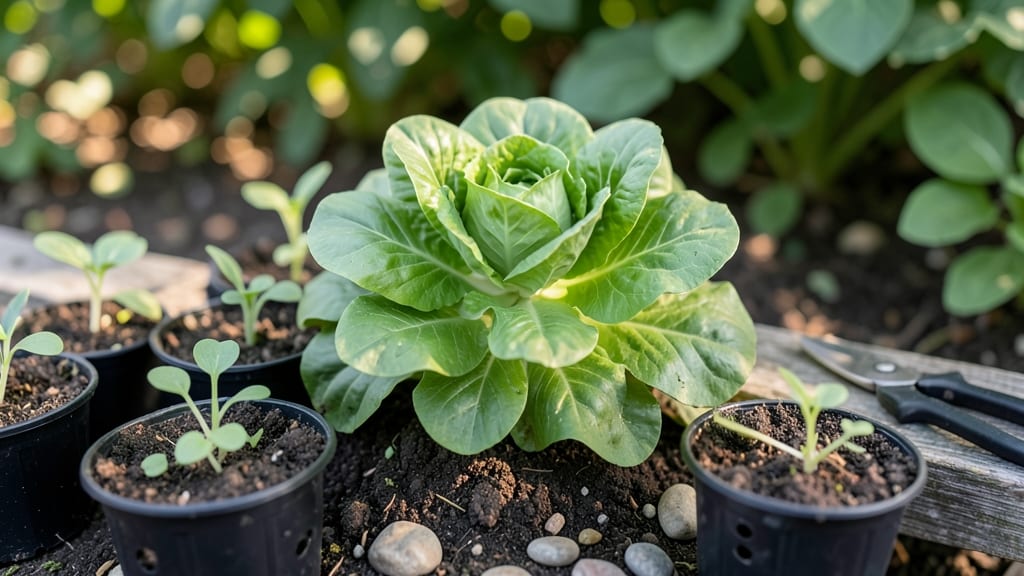
Proper garden row spacing is essential for maximizing plant health and yield by creating optimal growing conditions. Most vegetables thrive with 12–36 inches between rows, adjusted based on mature size and growth patterns—leafy greens need less space while tall crops like corn require wider gaps.
Getting row spacing right isn't just about fitting more plants in—it's about giving each one room to breathe. 🌱 When plants are too close, they compete fiercely for nutrients and sunlight, leading to stunted growth or disease from poor airflow.
I've seen firsthand how even a few extra inches can mean the difference between a bountiful harvest and struggling plants. For instance, leafy greens like spinach or lettuce can handle just 12 inches between rows, while larger plants like tomatoes or peppers need 18–24 inches to avoid crowding.
The key is matching spacing to the plant's mature size and growth habits.
Another factor to consider is your garden type—raised beds allow for tighter spacing since they provide better drainage and root access, while in-ground gardens may need slightly more room.
Seasonal adjustments also matter: cool-season crops like broccoli can handle closer spacing early on, but as they mature, they'll need more room to avoid shading each other out.
💡 In This Article
- How Plant Size and Type Affect Row Spacing Needs
- Spacing Charts for Common Vegetables and Herbs
How plant size and type affect row spacing needs
The science behind row spacing revolves around three critical factors: root competition, sunlight interception, and airflow circulation. Plants with shallow root systems like lettuce or radishes (6-12 inches deep) can tolerate closer spacing (12 inches between rows) because their roots don't spread far horizontally.
In contrast, deep-rooted crops like carrots or parsnips need 18-24 inches between rows to prevent their 12-18 inch taproots from tangling and competing for soil nutrients. The key is matching spacing to the plant's mature root zone diameter—think of it like giving each plant its own personal soil territory.
Sunlight interception plays a huge role in why taller plants need wider spacing. Consider corn, which grows 6-10 feet tall: if planted too closely (30-36 inches between rows), the outer leaves of each plant will shade the inner stalks, reducing photosynthesis by up to 40% in dense plantings.
Leafy greens like spinach or kale, however, can handle 12-18 inches between rows because their broad leaves create a natural canopy that maximizes light capture at ground level. The optimal spacing creates what botanists call a "light gradient"—enough space for lower leaves to photosynthesize while upper leaves get full sun.
Airflow is equally important for disease prevention. Crowded plants create humid microclimates where fungal spores thrive—just look at the powdery mildew that ravages overcrowded squash plants. Tomatoes, for instance, need 18-24 inches between rows to allow air circulation that keeps foliage dry and reduces blight risk.
I've seen tomato plants in tight rows develop 30% more disease pressure compared to properly spaced plants. The airflow also helps dissipate excess moisture from irrigation, preventing root rot in moisture-sensitive crops like peppers.
Pollination dynamics change with spacing too. Wind-pollinated crops like corn need wider rows (30-36 inches) to ensure pollen can travel between plants. In contrast, hand-pollinated or insect-pollinated plants like squash can handle closer spacing (24-36 inches) because bees and humans can navigate between plants more easily.
Even harvestability suffers with poor spacing—imagine trying to pick ripe tomatoes from a crowded plant versus one with room to grow! The right spacing makes every task from weeding to harvesting more efficient.
Here's a quick comparison of how different plant types respond to spacing:
- Root crops: Need 18-24 inches between rows to prevent root deformation (e.g., carrots growing forked from crowding)
- Leafy greens: Thrive at 12-18 inches for maximum leaf surface area exposure
- Vining plants: Require 24-36 inches to support climbing structures without breaking
- Tall stalks: Demand 30-36 inches to prevent lodging (falling over) from wind
The most surprising factor? Plant spacing affects flavor too. Overcrowded basil, for example, develops more bitter compounds due to stress, while properly spaced plants produce sweeter leaves. This happens because crowded plants allocate more energy to survival than to flavor compound production. 🌿