Pests
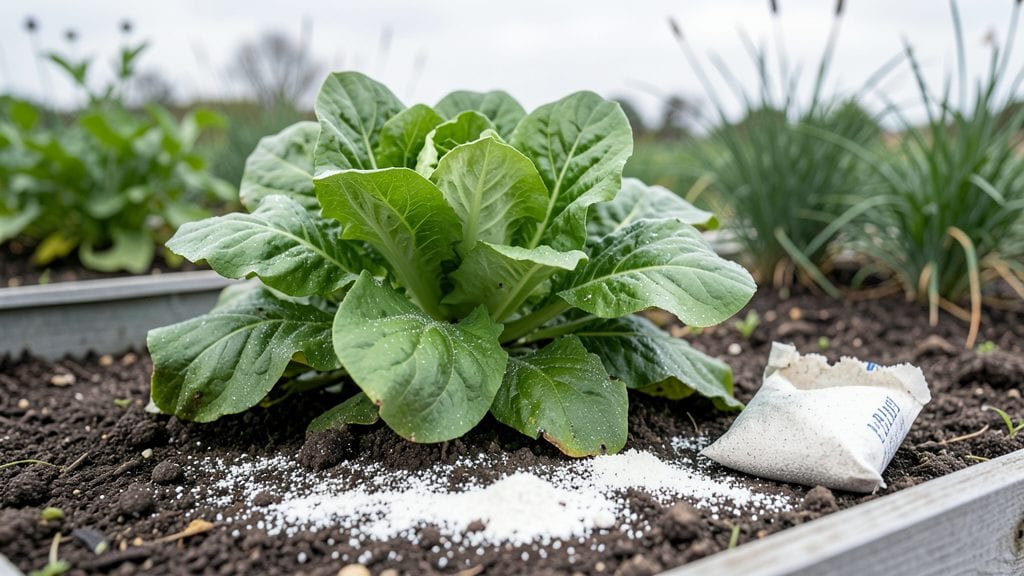
Using diatomaceous earth in garden beds provides natural pest control by dehydrating soft-bodied insects like slugs, aphids, and beetles while preserving soil microbes and earthworms when applied properly. Lightly sprinkle over beds and water gently to prevent clumping.
This fine powder works by creating microscopic cuts in insect exoskeletons, causing rapid dehydration without toxic chemicals. 🔥 Unlike harsh pesticides, it breaks down harmlessly in sunlight and won't accumulate in soil.
I've seen it eliminate aphid colonies within days while keeping my compost worms thriving—just be sure to reapply after rain or watering. The key is consistency: a thin layer every 1-2 weeks keeps pests at bay without overloading your garden ecosystem.
For best results, apply when pests are most active (early morning or evening) and avoid disturbing the soil afterward. Food-grade diatomaceous earth is safest for edible gardens, while the pool-grade version should never be used around plants.
Always wear a mask during application to protect your lungs from the fine particles.
💡 In This Article
- How Diatomaceous Earth Works Against Garden Pests
- Safe Application Tips for Diatomaceous Earth in Soil
How diatomaceous earth works against garden pests
Here's what's actually happening at a microscopic level: diatomaceous earth is made from fossilized remains of algae called diatoms, ground into a fine powder with razor-sharp edges measuring just 3-5 microns—about 1/20th the width of a human hair.
When applied to soft-bodied insects like aphids or slugs, these particles cut through their waxy outer cuticle, creating microscopic wounds that disrupt their moisture barrier. The insects lose essential body fluids through evaporation, dying within 24-48 hours from dehydration rather than poisoning.
The key factor is the insects' exoskeleton composition. Soft-bodied pests lack the hard, chitinous armor of beetles or ants, making them vulnerable to the powder's abrasive action. 🌟 Hard-bodied insects can walk right through the powder without harm, which is why it's so selective in its pest control.
Unlike chemical pesticides that rely on neurotoxins or systemic poisons, diatomaceous earth works purely through physical disruption—no chemical residue accumulates in soil or plants. This makes it particularly safe for organic gardening when used correctly.
What most people don't realize is how this process differs from chemical pesticides at a biological level. Chemical pesticides often require 1-2 weeks to break down and can harm non-target organisms through secondary poisoning.
Diatomaceous earth, however, breaks down completely within 3-5 days when exposed to sunlight and moisture, leaving no harmful byproducts.
The powder's effectiveness also depends on its food-grade purity—pool-grade versions contain crystalline silica that can damage lung tissue, but the food-safe version is completely inert to plants and beneficial soil organisms.
This targeted approach works because the powder's particles are just the right size to interact with insect physiology.
For example, a single aphid has a body surface area of about 0.002 square inches, meaning even a light dusting creates enough contact points to be effective. 🔥 The powder's high surface area (up to 200 square meters per gram) allows it to cover more surface area than traditional pesticides, making it more efficient at lower concentrations.
This is why you only need to apply 1-2 pounds per 100 square feet—the microscopic edges do all the work.
The safety for beneficial organisms comes from their different biology. Earthworms and soil microbes have thicker, more resilient outer layers that protect them from the powder's abrasive action. In fact, studies show that diatomaceous earth can actually improve soil structure by breaking down compacted clay particles without harming microbial communities.
The powder's selectivity means you can target pests like fungus gnats or spider mites while protecting ladybugs and bees that help with pollination.
One fascinating aspect is how humidity affects its performance. In dry conditions, the powder works best because it stays airborne longer, increasing contact with pests. However, when humidity exceeds 50%, the particles can clump together, reducing effectiveness.
This is why it's crucial to reapply after rain or watering—each application creates a fresh, active layer that can continue working for 1-2 weeks before needing renewal. The powder's natural origin means it won't build up in the environment, making it a sustainable choice for long-term pest management.