Pests
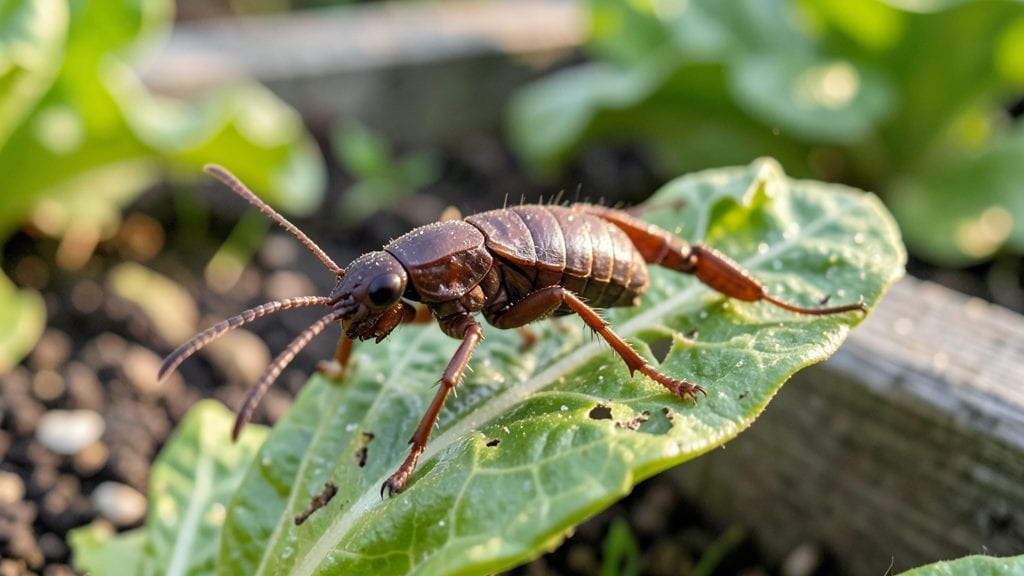
My garden’s first earwig infestation turned into a lesson in patience—and how a few simple traps can save your plants without harsh chemicals. 🌱 I’d been noticing chewed leaves on my hostas and lettuce, then spotted the telltale curled bodies hiding under mulch during evening checks.
The key? Understanding their behavior before reaching for sprays.
Earwigs love damp, sheltered spots, so they flock to thick mulch, flower pots, or even under boards left on the soil. My breakthrough came when I swapped heavy mulch for straw and added upturned clay pots as overnight shelters—then checked them daily.
The best part? These critters are harmless to humans and even help break down organic matter when not overpopulated.
By morning, the pots were packed with earwigs, ready for disposal far from the garden. Within a week, my plants stopped looking like a buffet, and the traps kept working all season.
The secret’s in consistency: keep mulch thin, remove debris, and check traps regularly. You’ll see results faster than you think.
Works for veggie patches, flower beds, or even houseplants—just scale the traps to your space. No chemicals, no guesswork, just a cleaner garden by sunset. Let’s tackle those pests the smart way.
The Hidden Triggers Behind Earwigs
Earwigs may seem like harmless garden guests, but when they swarm your plants, mulch, or even sneak indoors, they become a nuisance. Understanding why these nocturnal critters overrun your garden is the first step to stopping them.
Let’s break down the science behind their behavior and the conditions that turn your yard into an earwig buffet.
Earwigs thrive in damp, humid environments because their exoskeletons are sensitive to desiccation (drying out). Here’s why your garden becomes their paradise:
- Overwatered Soil & Mulch
- Earwigs prefer soil moisture levels between 20-30% saturation. If you’re watering deeply or frequently (especially in the evening), you’re creating the perfect conditions.
- Actionable fix: Water early in the day to allow soil to dry slightly before nightfall. Avoid over-mulching—keep mulch layers 2-3 inches thick to prevent excess moisture retention.
- Shady, Dense Plantings
- Low sunlight = slower evaporation = higher humidity. Earwigs flock to:
- Hostas, ferns, and other lush, leafy plants.
- Piles of decaying leaves or wood chips.
- Greenhouses or covered patios (where humidity spikes).
- Actionable fix: Thin out dense foliage to improve airflow. Prune plants to let sunlight penetrate the garden floor.
- Low sunlight = slower evaporation = higher humidity. Earwigs flock to:
- Leaky Irrigation or Poor Drainage
- Drip irrigation systems left running overnight or poorly sloped garden beds create standing water—earwig magnets.
- Actionable fix: Check for leaks and ensure garden beds have a 1-2% slope to drain excess water.
Earwigs are omnivorous scavengers, and your garden’s "leftovers" are their favorite snacks. Their diet includes:
| Food Type | Examples in Your Garden | Why It Attracts Earwigs |
|---|---|---|
| Decaying Organic Matter | Compost piles, rotting fruit, dead leaves | High moisture + nutrients = earwig breeding grounds. |
| Living Plants | Young seedlings, tender leaves (e.g., lettuce, roses) | They chew edges and create "notches" in foliage. |
| Insect Prey | Aphids, mites, small caterpillars | Earwigs hunt these pests but may overstay their welcome. |
- 💡 Pro Tip: Earwigs are especially drawn to fertilizer-rich soil. If you’ve recently amended your garden with compost or manure, expect a surge in activity.
Earwigs need dark, protected spaces to survive. Common hiding spots include:
- Under rocks, boards, or garden tools (they curl into tight spaces during the day).
- Between potted plants or flower pots (especially those sitting on damp soil).
- In cracks of wooden structures (decks, sheds, or playhouses).
- Under bark mulch or thick layers of straw.
- ✨ Prevention Hack: Store firewood, lumber, or garden decor elevated and off the ground. Use gravel or pallets to create a dry barrier.
Earwig populations explode under these conditions:
- Warm, humid summers (ideal for egg-laying and rapid reproduction).
- Mild winters (they survive in sheltered spots, emerging earlier in spring).
- Heavy rainfall (triggers mass migrations as they seek drier ground).
- 🌡️ Climate Control Tip: In drought-prone areas, earwigs may seek out your garden’s oases—watering restrictions can paradoxically worsen infestations.
Now that you know the why, the next step is to disrupt these conditions. Stay tuned for natural trapping methods that target earwig behavior without harsh chemicals!
Natural Ways to Stop Earwigs Fast
Earwigs may seem like tiny troublemakers, but with the right approach, you can reclaim your garden without harsh chemicals. Below are targeted solutions based on the most common causes of earwig infestations—from damp hiding spots to overgrown mulch—and how to fix them for good.
Earwigs love damp, dark places—think mulch piles, leaf litter, and poorly drained soil. If your garden is their personal spa, it’s time to dry things out.
- 🔥 Clear Debris & Reduce Mulch – Rake away thick layers of mulch, fallen leaves, and organic debris from flower beds, patios, and garden edges.
Earwigs thrive in these cozy nooks, so removing their hideouts starves their population. - 🌡️ Improve Drainage – If your soil stays soggy after rain, amend it with sand or perlite to help water drain faster.
Earwigs avoid well-drained areas, so this makes your garden less appealing. - ✨ Use Gravel or Sand Paths – Replace wood chips or dense mulch along walkways with crushed gravel or coarse sand. These materials dry quickly and deter earwigs from moving in.
Pro Tip: 💡 After clearing debris, bag and dispose of it—don’t compost it! Earwigs will just move back in.
Earwigs are attracted to moisture, food scraps, and shelter, so turn their weaknesses into traps.
- 🥘 Beer or Vinegar Traps – Place a shallow dish filled with beer, apple cider vinegar, or even stale beer near infested areas. Earwigs are drawn to the scent and drown.
Refresh every few days for best results. - 🍎 Fruit & Vegetable Bait – Bury a rotten fruit peel (banana, apple) or a damp paper towel in the soil.
Earwigs will crawl inside—dig it up in the morning and drown them in soapy water. - 🧱 Create Physical Barriers – Line garden beds with copper tape or diatomaceous earth (food-grade). Earwigs avoid crawling over these materials, blocking their entry points.
Pro Tip: 🔥 For stubborn clusters, flip over flower pots or bricks at night—earwigs will hide underneath. Shake them into a bucket of soapy water in the morning.
Nature has its own pest control! Attract birds, lizards, and beneficial insects that eat earwigs.
- 🐦 Install Birdhouses & Feeders – Birds like swallows, wrens, and robins snack on earwigs. Add a birdbath to attract more feathered helpers. - 🦎 Provide Lizard & Frog Habitats – Leave flat rocks or logs in sunny spots—geckos and frogs love hunting earwigs.
Avoid pesticides, as they’ll harm these natural allies. - 🐝 Plant Predator-Friendly Flowers – Marigolds, lavender, and basil attract ladybugs and ground beetles, which devour earwigs. Bonus: they’ll boost your garden’s health too!
Pro Tip: 🎯 If you spot centipedes or spiders, don’t squish them—they’re earwig predators!
Once you’ve kicked earwigs out, keep them from moving back with long-term strategies.
- 🌱 Keep Garden Beds Tidy – Regularly prune plants, remove dead leaves, and space plants properly to reduce humidity. - 🌞 Maximize Sunlight & Airflow – Earwigs hate dry, sunny conditions. Trim overgrown shrubs and space plants 12+ inches apart to improve airflow. - 🚫 Avoid Overwatering – Water early in the day so soil dries faster.
Use drip irrigation instead of overhead sprinklers to keep foliage dry. - 🔄 Rotate Natural Repellents – Sprinkle crushed eggshells, cedar mulch, or citrus peels around garden edges as a deterrent.
Pro Tip: ✨ Plant mint or thyme near entry points—earwigs dislike their strong scents!
By tackling moisture, food sources, and shelter, you’ll make your garden less inviting for earwigs. With a little consistency, these pesky critters will become a distant memory—without a single chemical in sight! 🚫💨
Frequently asked questions about garden earwig control
Why do earwigs suddenly appear in my garden after rain?
Earwigs seek shelter during heavy rainfall to avoid drying out. Their exoskeletons are moisture-sensitive, so they migrate to damp garden spots like mulch, leaf litter, or under pots. After rain, check these areas at night with a flashlight—they'll be curled up waiting for conditions to dry.
Are earwigs harmful to my plants or vegetables?
While they won't kill your plants, earwigs can create ragged holes in leaves and chew young seedlings. They prefer tender crops like lettuce, roses, and hostas. The damage is usually cosmetic, but heavy infestations may stress plants. The good news? They help decompose organic matter when populations are balanced.
How quickly will beer traps actually work for earwigs?
Beer traps typically show results within 24-48 hours if placed correctly. Refresh the beer every 2-3 days for best effectiveness. For severe infestations, combine traps with reducing mulch thickness and improving drainage. Expect gradual reduction over 1-2 weeks of consistent trapping.
Can diatomaceous earth harm my plants or beneficial insects?
Food-grade diatomaceous earth is safe for plants when used correctly, but it can harm beneficial insects like bees if applied directly to flowers. Apply only to soil surfaces and garden edges, avoiding direct contact with blooms. Wait 24 hours before allowing bees to forage again. Always reapply after rain as it loses effectiveness when wet.
What's the best time of day to check earwig traps?
Check traps early morning (before 8 AM) when earwigs are still sluggish from the night. They'll be clustered in traps, making collection easier. Avoid checking at night—they'll just escape! For maximum efficiency, place traps near known earwig hotspots like mulch piles or dense foliage.