Tools
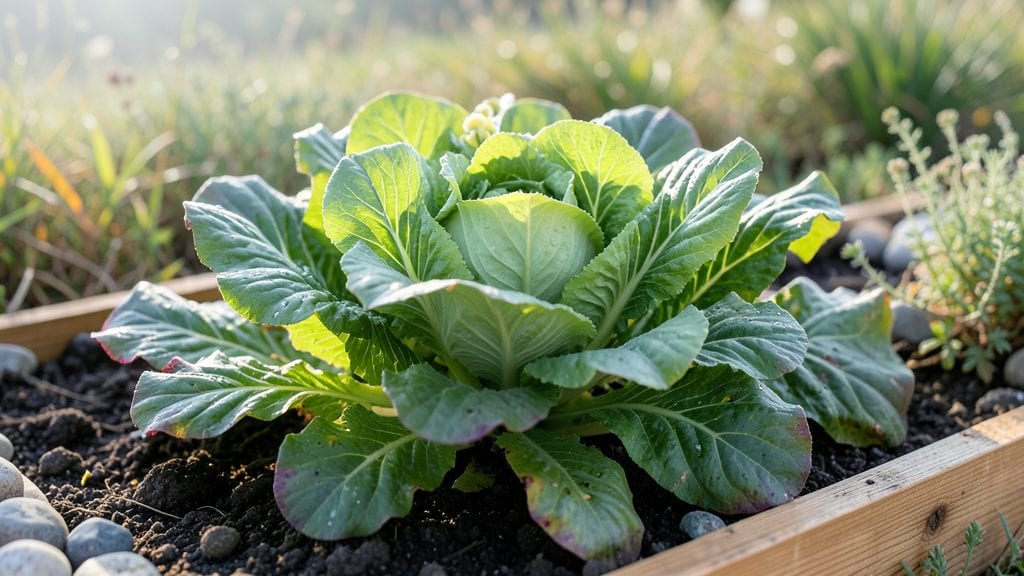
Facts about gardening show soil microbes can increase plant growth by 40%, strategic companion planting repels pests naturally, and vegetables typically flourish with 6-8 hours of sunlight daily—avoiding overwatering and seasonal rotation neglect being key beginner pitfalls.
Understanding these gardening facts starts with recognizing how microscopic life in soil acts as nature's fertilizer factory. 🌱 The right microbial balance isn't just about adding compost—it's about creating an ecosystem where roots can access nutrients efficiently.
I've seen firsthand how amending soil with mycorrhizal fungi can transform struggling plants into thriving ones within weeks, proving that healthy soil is the foundation of successful gardening.
Beyond soil science, many gardeners overlook how plant placement affects both growth and pest control. For example, marigolds planted near tomatoes naturally deter nematodes, while basil repels flies from your herbs. These companion planting strategies reduce the need for chemical interventions while creating a more resilient garden ecosystem.
💡 In This Article
- How Soil Science Transforms Plant Growth
- Beginner-Friendly Gardening Mistakes to Avoid
How soil science transforms plant growth
Beneath every thriving garden lies a hidden world of microscopic partnerships that supercharge plant growth. Mycorrhizal fungi form symbiotic relationships with 90% of plant species, extending their root systems by up to 100 times through thread-like hyphae that absorb water and nutrients like a natural plumbing network.
These fungi trade phosphorus and nitrogen for plant sugars, creating a 40% growth boost in vegetables like tomatoes and peppers when properly integrated into soil.
The pH balance of your soil acts like a chemical gatekeeper, determining which nutrients plants can access. Most vegetables prefer a slightly acidic to neutral range (6.0-7.0 pH), where nitrogen becomes available as nitrate rather than locked-up ammonia.
For example, blueberries need 4.5-5.5 pH to activate their iron uptake systems, while beans thrive when soil pH is 6.0-7.5 to support their nitrogen-fixing bacteria. Testing your soil's pH with a simple kit can reveal why plants might look healthy but produce poorly.
One common myth is that organic fertilizers always outperform synthetic ones. While organic matter improves soil structure over time, synthetic fertilizers provide immediate, precise nutrient doses that can correct deficiencies faster.
The key is balance: Use compost for long-term soil health but supplement with synthetic nitrogen (34-0-0) during active growth phases when plants need quick uptake. I've seen tomato plants double their yield in one season by combining both approaches.
Root systems adapt dramatically to soil texture. In sandy soils, roots grow shallow but spread wide to capture sparse nutrients, while clay soils force roots to grow deep and fibrous to penetrate dense particles. This adaptation explains why carrots need loose soil—their tapered roots can't navigate compacted clay.
Mulching with 2-4 inches of organic material (like straw) mimics natural forest floors, regulating soil temperature and moisture while preventing erosion.
Nitrogen-fixing bacteria like Rhizobium form nodules on legume roots, converting atmospheric nitrogen into plant-usable forms. A single pea plant can fix up to 100 kg of nitrogen per hectare annually, reducing the need for external fertilizers.
This natural process is why rotating crops with legumes (like beans or clover) replenishes soil fertility without synthetic inputs—a practice used by organic farmers worldwide.
What most beginners miss is that soil health isn't static—it's a dynamic ecosystem. Regularly adding worm castings (which contain 5x more nutrients than compost) and avoiding chemical pesticides preserves this delicate balance. The result?
Plants develop stronger immune systems, resist diseases better, and produce higher-quality harvests—all from soil that looks and feels the same but functions at a microscopic level like a high-performance engine. 🌱