Fertilization
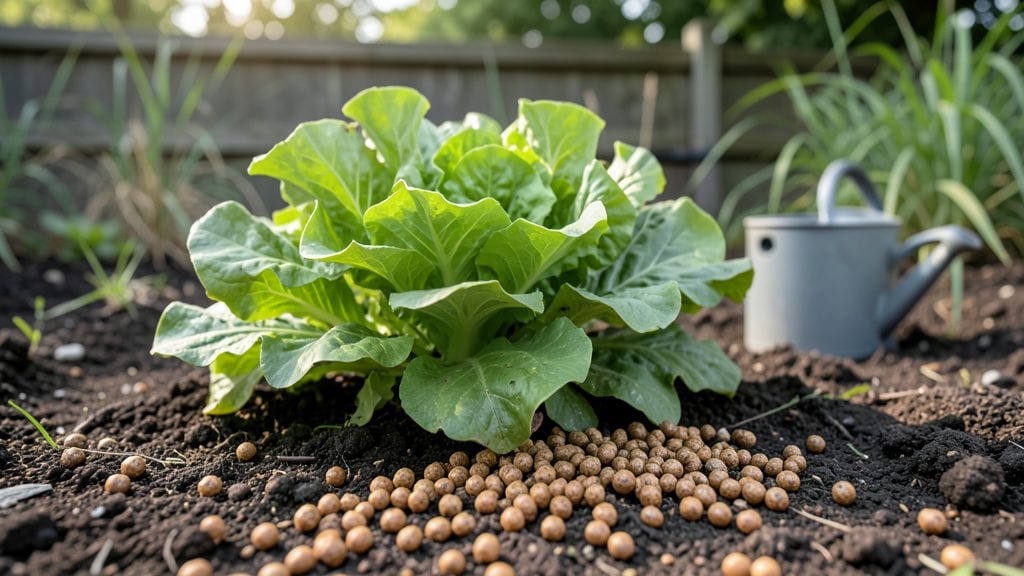
Fertilizing garden soil isn't just about throwing down bags of nutrients—it's the difference between plants that struggle and ones that explode with growth. 🌱 I learned this the hard way when my tomatoes produced tiny, bland fruit because the soil was starving for nitrogen, even though I'd watered them religiously.
The right fertilizer, applied correctly, turns lackluster gardens into thriving ecosystems where roots dive deep for what they need.
First, you'll need to know your soil's starting point—most gardeners skip this and end up over- or under-feeding. A simple at-home soil test (about $20) tells you what's missing, whether it's phosphorus for blooms, potassium for drought resistance, or organic matter for structure.
Once you have those numbers, you can pick between organic options like compost or worm castings (slow-release, great for long-term health) and synthetic granules (fast results for hungry plants like veggies).
Timing matters just as much as what you use: feed vegetables every 4-6 weeks during growing season, flowers right before blooming, and lawns in early spring and fall. The key is consistency—plants don't need a feast, they need steady nourishment.
I've seen wilting perennials revive within days of proper feeding, and my zucchini plants now produce so many squash they take over the garden bed.
Here's the secret weapon: mulch. It locks in moisture, regulates soil temperature, and slowly breaks down to feed plants all season. Pair that with a balanced fertilizer routine, and you'll have soil so rich it practically sings when you stick your hand in. Ready to transform your garden's foundation?
📚 In This Guide
- What you need
- Instructions
- Tips and common mistakes
- Wrapping up and next steps
What you need
- ● Organic Fertilizer: Choose one (or mix!): Compost (2–4 inches spread over garden bed)
- ● Well-rotted manure (e.g., cow, horse, or chicken—aged for 6+ months, 1–2 gallons per 10 sq ft)
- ● Worm castings (1–2 cups per sq ft for gentle enrichment)
- ○ Inorganic Fertilizer (optional but helpful): Balanced NPK (e.g., 10-10-10) or slow-release granules (follow package rates)
- ● Soil Amendments (pick 1–2): Peat moss or coconut coir (1–2 bags, 2–3 cubic feet each)
- ● Perlite or vermiculite (for drainage, 5–10 lbs)
- ● Bone meal (for phosphorus, 1–2 lbs per 100 sq ft)
- ● Watering Can or Hose: With a fine-mist nozzle (for even distribution).
- ● Garden gloves (to protect your hands!)
- ● Garden fork or tiller (for mixing amendments into soil, 6–12 inches deep)
- ● Rake (for leveling soil after fertilizing)
- ● Measuring cup or scale (for precise fertilizer amounts)
- ○ pH test kit (optional but recommended—aim for 6.0–7.0 for most plants)
- ● Test your soil’s current health (free kits available at garden centers!).
- ● Clear debris (rocks, weeds, or old plant matter) from the garden bed.
- ● Choose a dry, overcast day to apply fertilizer (avoid rain for 24–48 hours).
Step-by-step guide to fertilizing garden soil for vibrant growth
Here’s the straightforward approach I’ve used for years to transform tired soil into a nutrient-rich foundation.
🌱 Step 1: Test Soil Before Adding Fertilizer
Before grabbing any fertilizer, grab a soil test kit—it’s the only way to know what your garden truly needs. I test every 2-3 years or when plants show signs of trouble like yellow leaves or stunted growth. The kit will tell you which nutrients are missing, like nitrogen, phosphorus, or potassium, so you don’t waste money on extras your soil already has.
Dig a sample from 6 inches deep in multiple spots, mix them together, and follow the kit’s instructions. If you’re in a hurry, a basic home test kit works fine. For serious gardeners, send a sample to a lab for precise results. This step saves you from over-fertilizing, which can burn roots and harm plants.
🌿 Step 2: Choose the Right Fertilizer Type
Not all fertilizers work for every plant or soil type. For vegetable gardens, I use a balanced 10-10-10 fertilizer to cover general needs, while flower beds often need a low-nitrogen, high-phosphorus blend to encourage blooms. Organic options like compost, worm castings, or bone meal are great for long-term soil health, while synthetic granules deliver quick results.
Read the label carefully—slow-release fertilizers feed plants over time, while quick-acting ones give an immediate boost. If your soil test shows a deficiency, pick a targeted fertilizer, like iron sulfate for yellowing leaves or kelp meal for micronutrients. Avoid mixing different fertilizers unless the label says it’s safe.
💧 Step 3: Apply Fertilizer Correctly for Maximum Effect
Spread granular fertilizer evenly over the soil surface using a spreader—never pile it in one spot. For organic amendments like compost, work them into the top 2-3 inches of soil with a garden fork or tiller. Water the area lightly after applying to help nutrients sink into the soil without burning plant roots.
Follow the application rate on the package—overdoing it can harm plants. For liquid fertilizers, mix them with water in a garden sprayer and apply directly to the soil, avoiding leaves. Reapply every 4-6 weeks during the growing season, or as directed. Always water deeply after fertilizing to move nutrients into the root zone.
✂️ Step 4: Monitor and Adjust for Best Results
Watch your plants for signs of improvement—darker green leaves mean nitrogen is working, while more blooms signal phosphorus is doing its job. If you notice leaf burn, wilting, or yellowing, you’ve overdone it. Flush the soil with extra water to dilute excess fertilizer and hold off on reapplying until plants recover.
Adjust your routine based on plant needs. Heavy feeders like tomatoes and peppers need more frequent fertilizing, while perennials often do well with one application in early spring. Keep a garden journal to track what works—note which fertilizers you used, when, and how plants responded. This helps you fine-tune your approach year after year.
Tips & tricks for perfect garden soil fertilization
A few simple tricks that'll save you time, money, and frustration in your garden.
Soil Testing Timing: I test my soil every 2-3 years or when I notice yellowing leaves or stunted growth. This timing helps me catch nutrient deficiencies before they become serious problems. If you're dealing with brand-new soil or have had issues in the past, consider testing annually. The 6-inch depth sample is key—it gives you a true representation of what your plants are actually working with.
Fertilizer Application Strategy: When applying granular fertilizer in Step 3, I like to split the recommended dose into two applications—half at planting and half 4-6 weeks later. This prevents nutrient overload while keeping plants consistently fed. For organic amendments like compost, I mix them into the top 2-3 inches of soil using a garden fork, which helps them break down more evenly. Light watering after application helps nutrients penetrate without burning roots.
Plant-Specific Fertilizer Choices: Heavy feeders like tomatoes and peppers actually benefit from a 5-10-10 ratio fertilizer rather than the standard 10-10-10. The extra nitrogen helps support their rapid growth. For flowering plants, I switch to a 5-20-20 blend to promote blooming. Always check the label to match the fertilizer's NPK ratio with your plants' specific needs—this makes all the difference in results.
Monitoring System: I keep a simple garden journal where I record which fertilizers I used, when, and what I observe. This helps me spot patterns—like noticing that my roses bloom better after the second application of a phosphorus-rich fertilizer. If you see leaf burn or yellowing after fertilizing, flush the soil with extra water immediately to dilute excess nutrients and give your plants time to recover.
Pro Tips for Fertilizing Garden Soil
- A few simple tricks that'll save you time, money, and frustration in your garden.
- Soil Testing Timing: I test my soil every 2-3 years or when I notice yellowing leaves or stunted growth.
- Fertilizer Application Strategy: When applying granular fertilizer in Step 3, I like to split the recommended dose into two applications—half at planting and half 4-6 weeks later.
Frequently asked questions
Got questions about fertilizing your garden soil?
You’re not alone! Here are answers to the most common concerns—so you can grow a thriving garden with confidence.
How often should I fertilize my garden soil?
Most gardens benefit from fertilizing every 4-6 weeks during the growing season (spring to fall). However, slow-release fertilizers or organic amendments (like compost) may only need application 2-3 times per year. Always check your soil’s nutrient levels first—overdoing it can harm plants!
Is it better to fertilize in the morning or evening?
Morning is ideal! Fertilizing in the early hours gives plants time to absorb nutrients before the heat of the day. If you must fertilize in the evening, avoid doing so right before rain—nutrients can wash away. Pro tip: Water soil lightly before and after to help absorption.
What’s a budget-friendly alternative to expensive fertilizers?
Skip the pricey options! Try these cost-effective swaps:
- Compost: Free from kitchen scraps or yard waste—rich in nutrients.
- Manure: Cow, horse, or chicken manure (aged for 6+ months).
- Epsom salt: A magnesium boost for flowering plants (1 tbsp per gallon of water).
- Coffee grounds: Add to soil for nitrogen (use sparingly—too much can acidify soil).
Why are my plants wilting after I fertilized?
Wilting can signal fertilizer burn, caused by too much salt or concentrated nutrients. Flush the soil with water to dilute excess salts, and hold off on fertilizing for 2-3 weeks. Choose a balanced, slow-release fertilizer next time to avoid overloading roots.
Can I fertilize my garden soil in winter?
Winter fertilizing depends on your climate and plants. In mild winters, a light application of organic matter (like compost) can prep soil for spring. In freezing temps, skip it—focus on mulching to protect roots instead. Evergreens and cold-hardy crops may tolerate winter feeding, but most gardens rest until spring!
Wrapping up and next steps
Fertilizing your garden soil is the secret ingredient to thriving plants and a bountiful harvest! 🌱 By understanding your soil’s needs, choosing the right organic or synthetic fertilizers, and applying them consistently, you’ll create a nutrient-rich foundation for your garden.
Whether you’re a beginner or a seasoned gardener, every shovel of enriched soil brings you one step closer to lush, healthy growth.
Ready to see the magic happen? Start small—test a patch of soil, apply your chosen fertilizer, and observe the transformation! With patience and care, your garden will reward you with vibrant blooms and flourishing greenery. Happy gardening! 🌿