Pests and Diseases
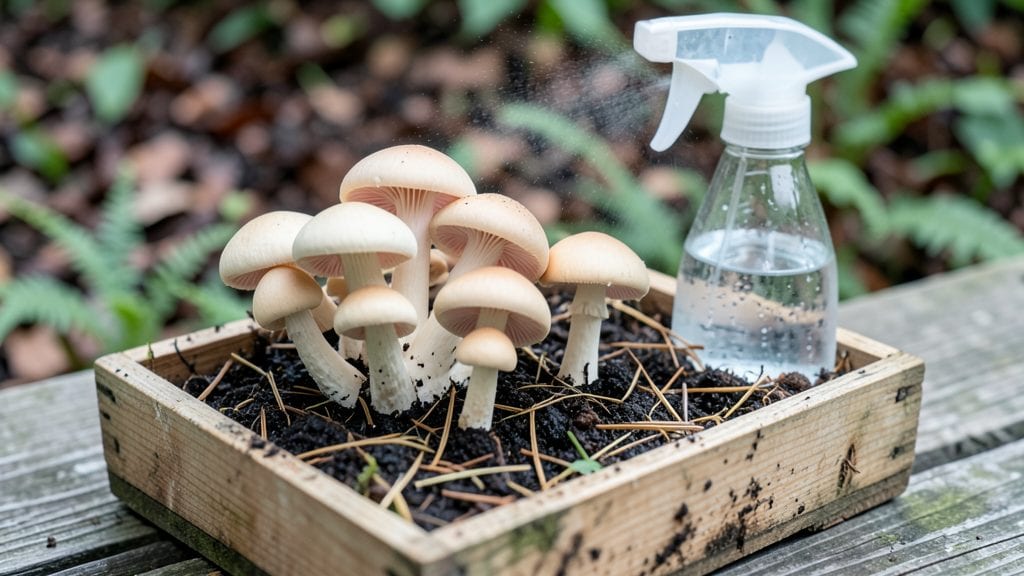
Fungus growing in my garden isn’t just unsightly—it’s a silent threat that can stifle your plants before they even get a chance to thrive. 🌱 I’ve watched powdery white blankets smother roses, slimy patches rot strawberries, and mushrooms pop up where grass should be, and I’m here to tell you: you can reclaim your garden without harsh chemicals or ruined soil.
The culprit is almost always too much moisture, poor airflow, or organic debris piling up like a fungus buffet. I learned the hard way that ignoring those damp leaves or thatch buildup turns a minor issue into a full-blown crisis.
But the good news? Most garden fungi respond to simple fixes—better spacing, the right mulch, and a few targeted sprays that actually work.
By the end of this, you’ll know exactly which fungi to watch for, how to spot them early, and which natural remedies (like neem oil or baking soda) can knock them out without harming your plants or soil.
No more guessing—just clear steps to get your garden back to healthy, vibrant life.
Whether you’re dealing with powdery mildew on veggies, mushrooms in your lawn, or something in between, these methods work for the most common garden fungi. Let’s get your soil—and your plants—back on track.
The Hidden Triggers Behind Garden Fungi
Fungus thriving in your garden isn’t just a random bad luck scenario—it’s often a sign that specific conditions have come together like a recipe for microbial success. Understanding these triggers helps you tackle the problem at its root (literally).
Below, we break down the top causes of fungal outbreaks, complete with the science behind them and what you can do to disrupt their party.
Fungi love water—think of them as aquatic creatures that just happen to grow on land. Most garden fungi require high humidity (above 75%) or prolonged soil moisture to germinate and spread. Here’s why:
- Oxygen Deprivation: Waterlogged soil cuts off oxygen, creating the perfect anaerobic (low-oxygen) environment where fungal spores thrive. Many fungi, like Phytophthora (root rot) or Pythium, are obligate aerobes—they need moisture to activate. - Spore Germination: Fungal spores (the "seeds" of fungi) remain dormant until moisture triggers them.
A single heavy rain or overwatering can wake up thousands of spores in just 24 hours. - Leaf Surface Films: Fungal pathogens like Botrytis (gray mold) or Powdery Mildew latch onto dew or rain-slicked leaves, forming protective films that trap moisture and spread hyphae (fungal threads).
Actionable Fix:
- Improve drainage by amending soil with compost or sand (aim for a loamy texture that drains in 6–12 hours).
- Water deeply but less often—early morning is best to allow foliage to dry by evening.
- Use mulch strategically: Organic mulch (like straw) helps regulate moisture, but avoid piling it against stems where it traps dampness.
Fungi are decomposers—they need dead plant material to survive. Leaving fallen leaves, grass clippings, or diseased plants in your garden is like leaving out a five-star restaurant sign for fungal growth.
- Nutrient Source: Decaying matter provides fungi with carbon and nitrogen, fueling rapid hyphal growth.
For example, Armillaria (honey fungus) colonizes wood chips and stumps, then spreads to living plants. - Microclimate Creation: Piles of debris create dark, humid microhabitats where temperature and moisture stay ideal for fungal spores to germinate. - Pathogen Reservoirs: Diseased plants (e.g., tomato leaves with early blight) harbor fungal spores that can reinfect healthy plants if not removed.
Actionable Fix:
- Clear debris promptly: Remove fallen leaves, spent plants, and weeds. Compost healthy plant material (but never diseased or infested compost—it’s a fungal bomb!).
- Prune properly: Cut back dead branches and leaves, then sterilize pruners with rubbing alcohol to avoid spreading spores.
- Aerate mulch layers: Fluff mulch occasionally to prevent it from becoming a fungal mat.
Fungi don’t just need moisture—they also thrive in warm, stagnant air (think of a greenhouse with no ventilation). Here’s how temperature and airflow play a role:
- Optimal Growth Zones: Most garden fungi grow best between 60–85°F (15–30°C). Nighttime temps dropping below 50°F (10°C) can slow them down, but consistent warmth speeds up spore release and hyphal growth. - Stagnant Air Traps Spores: Poor airflow lets fungal spores linger near plants, increasing infection rates.
For example, Powdery Mildew spreads via windborne spores but thrives in still, humid air. - Condensation on Leaves: Warm days + cool nights = condensation, which creates a fungal-friendly film on foliage.
Actionable Fix:
- Boost airflow: Space plants properly (aim for 3–5 feet between rows for good circulation).
- Prune for sunlight: Thin out dense foliage to let light and air penetrate.
- Use fans or open shade cloths in hot, humid climates to disrupt stagnant air pockets.
Healthy plants resist fungal attacks, but stressed plants are like open doors. Common stressors that invite fungi include:
| Stressor | How It Helps Fungi | Example Fungi |
|---|---|---|
| Nutrient Deficiency | Weak cell walls make plants easier to penetrate. | Verticillium wilt |
| Physical Damage | Cuts or bruises create entry points. | Rhizoctonia (damping-off) |
| Compaction | Restricts roots, reducing plant vigor. | Fusarium (root rot) |
| Over-Fertilization | Excess nitrogen promotes lush, soft growth. | Powdery Mildew |
Actionable Fix:
- Soil test annually to address deficiencies (especially phosphorus and potassium, which strengthen cell walls).
- Avoid over-fertilizing: Stick to a balanced NPK ratio (e.g., 10-10-10) and use organic matter like compost.
- Reduce compaction: Walk on raised beds or use board paths to protect soil structure.
Soil pH affects which fungi dominate your garden—and whether they’re harmful or helpful. Most garden fungi prefer slightly acidic to neutral pH (6.0–7.0), but extremes can tip the scales toward pathogens.
- Acid-Loving Fungi: Phytophthora and Pythium thrive in acidic soil (pH < 6.0), while alkaline soil (pH > 7.5) can encourage Sclerotinia (white mold).
- Microbe Competition: Extreme pH shifts disrupt beneficial microbes (like Trichoderma), which naturally suppress fungi. When these allies weaken, pathogens move in.
Actionable Fix:
- Test your soil (DIY kits are affordable and easy).
- Adjust pH gradually:
- Lower pH (make more acidic): Add sulfur or pine needles.
- Raise pH (make more alkaline): Mix in lime or wood ash.
- Use compost: It buffers pH naturally and improves microbial diversity.
Your soil is a battleground between beneficial microbes (like bacteria and fungi) and pathogens. When the balance tips, fungi take over.
- Antagonistic Microbes: Organisms like Bacillus subtilis and Trichoderma outcompete pathogens for nutrients and space.
If these are lacking, fungi spread unchecked. - Disturbed Soil: Tilling or heavy foot traffic disrupts microbial networks, creating gaps that fungi exploit. - Chemical Overuse: Pesticides and synthetic fertilizers kill beneficial microbes, leaving fungi as the dominant life form.
Actionable Fix:
- Reduce tilling: Use no-till gardening to preserve soil structure and microbial communities.
- Add microbial boosters: Apply compost tea, mycorrhizal fungi, or beneficial bacteria (like Serenade or Botry-Zen).
- Rotate crops: Prevents pathogen buildup in the soil (e.g., don’t plant tomatoes in the same spot yearly).
Many of these causes reinforce each other. For example:
- Overwatering → Stagnant air → Weak plants → Fungal outbreak.
- Debris buildup → Moisture retention → pH imbalance → Pathogen dominance.
Break the cycle by addressing one trigger at a time—start with drainage, then mulch, then microbial health. Small changes add up to a fungus-free garden!
Quick Fixes for Garden Fungus
Fungus in your garden doesn’t have to mean the end of your plants—it’s often a sign of imbalance that you can correct with the right approach. Below, we’ll match common causes to practical solutions, from immediate fixes to long-term prevention.
Think of this as your DIY guide to reclaiming a thriving, fungus-free garden without harsh chemicals.
Cause: Overwatering, poor drainage, or dense mulch trapping humidity. Fix:
- 🔥 Improve Drainage First – Test soil moisture by digging a 6-inch hole. If water pools, amend with compost or coarse sand (1 part compost to 3 parts soil) to loosen texture. For containers, add perforations or gravel layers at the bottom.
- 🌧️ Water Wisely – Switch to deep, infrequent watering (early morning is best). Use a soaker hose or drip irrigation to avoid wetting foliage. Aim for 1–1.5 inches per week (check with a rain gauge).
- 🪓 Prune for Airflow – Thin out crowded plants and remove dead leaves or debris (fungus loves hiding there). Space plants 12–24 inches apart for better airflow.
- 💡 Pro Tip: Add a 2–3 inch layer of straw mulch (not wood chips, which can compact) to let excess moisture evaporate while suppressing weeds.
Cause: Nutrient deficiencies, transplant shock, or pest damage. Fix:
- 📊 Feed the Soil, Not Just the Plants – Spread compost tea (brew 1 cup compost in 5 gallons water for 24 hours, strain) or use fish emulsion (diluted to 1 tbsp/gallon) to strengthen roots. Avoid high-nitrogen fertilizers—they encourage soft, fungus-prone growth.
- 🌿 Strengthen Plants Naturally – Mix 1 cup wood ash (for alkaline-loving plants) or 1 tbsp kelp meal (for potassium) into the top 2 inches of soil. Repeat every 4–6 weeks.
- 🛡️ Shield New Plants – When transplanting, soak roots in 1% hydrogen peroxide solution (3% diluted with water) for 10 minutes to kill fungal spores. Use mycorrhizal fungi inoculant (available at garden centers) to help roots establish symbiotic relationships.
Cause: Leaves, mulch, or plant waste creating a damp, dark habitat. Fix:
- 🧹 Remove and Replace – Rake up fallen leaves, spent mulch, and plant debris and compost them away from the garden (or use them in a hot compost pile to kill pathogens). Avoid piling organic matter near plant bases.
- ☀️ Sunlight is Your Ally – If fungus appears on shady areas, prune nearby trees/shrubs to let in at least 4–6 hours of sunlight daily. Fungus thrives in darkness!
- 🪴 Repurpose Mulch – Swap old mulch for cedar chips or pine needles (natural fungicides) or gravel in high-risk areas (like under shrubs).
Cause: Sudden temperature swings or microclimates (e.g., north-facing beds staying damp). Fix:
- 🌡️ Adjust Microclimates – Group heat-loving plants (tomatoes, peppers) together and cool-loving plants (lettuce, spinach) in shadier spots. Use cloche tunnels or row covers in early spring/fall to moderate temps.
- 💨 Increase Airflow – Install a small fan (on low) near susceptible plants (like mushrooms) to keep humidity down. Even a gentle breeze helps.
- 🌱 Choose Resistant Varieties – Swap fungus-prone plants (e.g., phlox, roses, or impatiens) for disease-resistant cultivars (ask at local nurseries for regional recommendations).
Cause: Stubborn fungus (e.g., powdery mildew, rust) that won’t budge with organic fixes. Fix:
- 🍯 Baking Soda Spray – Mix 1 tsp baking soda + 1 tbsp horticultural oil + 1 tsp soap in 1 gallon water. Spray every 7–10 days on leaves (avoid flowers). Works best for powdery mildew.
- 🧅 Garlic or Chili Pepper Spray – Blend 1 chopped garlic bulb + 1 tbsp cayenne pepper in 1 quart water. Strain and add 1 tsp soap. Spray weekly to deter fungal spores. Smells strong but breaks down quickly.
- 🍄 Neem Oil (Preventative) – Mix 1 tbsp neem oil + 1 tsp soap in 1 quart water. Spray at dusk every 2 weeks during rainy seasons. Kills spores on contact but won’t harm beneficial insects.
- ⚠️ Last Resort: Copper Fungicide – Use copper-based sprays (like Bordeaux mixture) for serious infections (e.g., late blight). Follow label rates—overuse harms soil microbes.
Once you’ve treated the problem, stop it from returning with these habits:
- 🌱 Rotate Crops – Avoid planting the same family (e.g., tomatoes, peppers) in the same spot for 3+ years.
- 💧 Water at the Base – Use a watering wand to direct streams to soil, not leaves.
- 🔍 Inspect Weekly – Check undersides of leaves and plant stems for early signs (white powder, orange rust, black spots).
- 🌿 Plant Fungus Fighters – Interplant with garlic, chives, marigolds, or thyme—their strong scents deter spores.
- 🧹 Clean Tools – Wipe pruners and shovels with rubbing alcohol between uses to avoid spreading spores.
Remember: Fungus is a sign, not the root cause. By fixing moisture, airflow, and plant health, you’ll create an environment where fungus can’t take hold—and your garden will bounce back stronger. 🌱✨
Frequently asked questions
What are the first signs of fungus in my garden?
Look for white powdery coatings on leaves (powdery mildew), yellowing or wilting plants with black spots (early blight), or mushroom clusters in moist areas. Check undersides of leaves for fuzzy growth (gray mold) or orange rust patches (rust fungus). Act fast—fungus spreads quickly in damp conditions.
Can I still compost plant material if fungus is growing?
Only compost healthy plant material in a hot compost pile (140°F+) to kill fungal spores. Never add diseased leaves or infected plants—they’ll spread spores back into your garden. For stubborn cases, use a separate compost bin with higher temps or bury debris deeply.
How do I know if my garden fungus is harmful or harmless?
Harmless fungi (like mushrooms or mycorrhizal networks) don’t damage plants. Harmful types cause visible decay, leaf spots, or plant death. If your plants look stressed or are dying, it’s a pathogen. Mushrooms in lawns are usually harmless, but root rot fungi (like Phytophthora) are deadly—look for mushy roots or wilting despite good water.
Will vinegar kill garden fungus?
Yes, but use it carefully! Mix 1 part white vinegar to 3 parts water and spray on leaves only (avoid soil—it can harm plants). Vinegar’s acidity disrupts fungal cell walls. For stubborn cases, apply weekly at dusk and reapply after rain. Never use on alkaline-loving plants (like azaleas or blueberries).
How long does it take to eliminate fungus from my garden?
Mild cases clear in 2–4 weeks with consistent fixes (better airflow, reduced watering, sprays). Stubborn outbreaks (like root rot) may take 6–12 weeks to fully resolve. Prevention is key: Once fungus is gone, focus on soil health, drainage, and plant spacing to keep it away for good.