Pests and Diseases
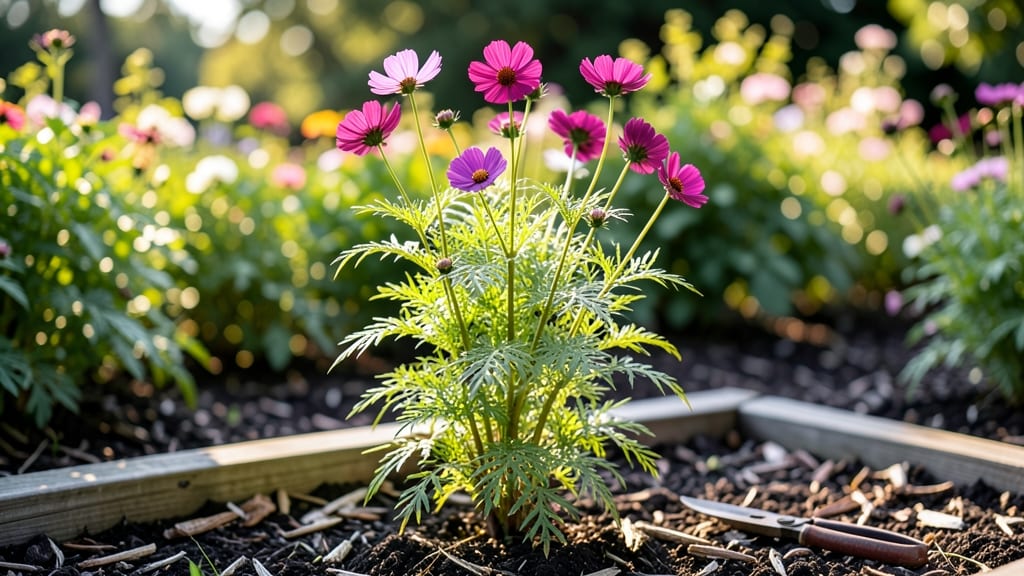
My garden cosmos leaves used to attract every pest in the county—until I discovered their secret weapon: the very foliage that pests adore can also repel them when used right. 🌱 The key isn’t fighting the bugs; it’s working with the plant’s natural defenses, turning those delicate leaves into a fortress instead of a buffet.
Here’s the thing—aphids and spider mites might love feasting on cosmos, but they hate the scent of certain crushed leaves and companion plants. A simple spray of water mixed with a handful of chopped cosmos leaves (or even just rubbing them between fingers) creates a mild but effective natural repellent.
The trick is consistency: apply it every 5-7 days during peak pest season, and you’ll see those pests packing their bags within a week.
📚 In This Guide
- What you need
- Instructions
- Tips and common mistakes
- Wrapping up and next steps
What you need
- ● Fresh garden cosmos leaves – Harvest at least 2 cups (or ~50g) of healthy, pesticide-free leaves. Pro tip: Pick them early in the morning for maximum potency! 🌞
- ● Water – 1 quart (32 oz) of distilled or dechlorinated water (tap water works in a pinch).
- ● Blender or mortar & pestle – To crush the leaves into a fine pulp.
- ● Strainer or cheesecloth – For filtering the leaf juice.
- ● Spray bottle (8–16 oz) – A glass or BPA-free plastic bottle with a fine mist nozzle.
- ○ Labeling supplies (optional but helpful) – A marker or tag to label your spray as "cosmos pest repellent."
- ○ Gloves (optional) – Protect your hands if cosmos leaves irritate your skin.
- ● Pruning shears – For harvesting leaves cleanly without damaging the plant.
- ● Spray testing area – Test a small patch of your garden first to ensure no adverse reactions (e.g., leaf discoloration).
- ● Sunny day for application – Avoid spraying in direct sunlight or during extreme heat (wait for early morning or late afternoon).
- ● Essential oils (e.g., neem or peppermint) – Add 5–10 drops to boost repellent power.
- ● Honey or sugar (1 tsp) – Acts as a natural sticky trap for soft-bodied pests.
- ● Storage container – Keep extra repellent in the fridge for up to 1 week.
How to use garden cosmos leaves for natural pest control
Here's how to harness these fragrant leaves to keep pests away—naturally and effectively.
🌿 Step 1: Harvest Leaves at Peak Freshness
Pick leaves in the morning after the dew has dried but before the sun peaks—this ensures maximum potency. Choose healthy, mature leaves from the outer edges of the plant, avoiding any that look yellowed or damaged. I like to harvest a small handful every few days to maintain a steady supply for pest control.
Use clean, sharp scissors or pruning shears to avoid tearing the leaves. The more intact the leaf, the better it retains its natural oils that repel pests. Place the harvested leaves in a paper bag in the shade until you're ready to use them—this prevents wilting and preserves their effectiveness.
💧 Step 2: Prepare the Leaves for Use
Rinse the leaves briefly under cool water to remove any dirt or debris, then pat them dry with a clean towel. You can use them whole, crushed, or as a tea infusion, depending on your pest problem. For most garden pests, crushing the leaves releases their natural oils more effectively.
If you're making a leaf tea, steep 1 cup of chopped leaves in 4 cups of boiling water for 30 minutes. Strain the liquid through a fine mesh strainer or cheesecloth, and let it cool before using. This concentrated tea can be sprayed directly on plants or around the garden perimeter for maximum impact.
✂️ Step 3: Apply Leaves Strategically Around Your Garden
For crawling pests like aphids, slugs, or snails, scatter whole or crushed leaves around the base of plants and along garden paths. The strong scent deters pests naturally without harming beneficial insects. I like to create a barrier around my vegetable beds, refreshing the leaves every 3-4 days for continuous protection.
For flying pests like whiteflies or mosquitoes, hang small bundles of fresh leaves in mesh bags or place them in shallow dishes of water near problem areas. The aroma creates a natural repellent zone. You'll notice pests avoiding these areas within 24 hours of application.
🌱 Step 4: Refresh and Rotate Applications
Cosmos leaves lose effectiveness as they dry out, so refresh your applications every 3-5 days for best results. I set a reminder in my phone to check and replace leaves weekly, especially after rain, which can wash away the natural oils. Store extra leaves in the freezer if you harvest more than you need—they'll keep their potency for up to 2 months.
Rotate application methods to prevent pests from adapting. One week you might use crushed leaves around the garden, the next a leaf tea spray. This keeps pests guessing and maximizes the leaves' natural repellent power. You'll see a noticeable reduction in pest activity within 1-2 weeks of consistent use.
☀️ Step 5: Combine With Companion Planting
For even better results, pair cosmos leaves with companion planting. Cosmos themselves attract beneficial insects like ladybugs and lacewings, which prey on common garden pests. Plant cosmos near your vegetables or flowers, then use the leaves as a supplementary pest control method.
This two-pronged approach creates a balanced ecosystem where pests are naturally kept in check. You'll find your garden thrives with fewer chemical interventions, and the cosmos will continue to bloom beautifully throughout the season. It's a win-win for both your plants and the environment.
Tips & tricks for perfect garden cosmos pest control
Here's what I've learned after years of using cosmos leaves to keep pests at bay—these tricks make all the difference in effectiveness.
Harvest Timing is Everything: The morning harvest window after dew dries but before peak sun is critical for potency. I've noticed that leaves harvested at this time retain their natural oils for up to 5 days longer than those picked later in the day. If you miss morning, harvest in the late afternoon when temperatures start to drop—just avoid harvesting after rain, as the oils get diluted.
Crushing Technique Matters: When preparing leaves for crawling pests, crush them thoroughly between your fingers or with a mortar and pestle. This releases the essential oils that create the repellent effect. For flying pests, I've found that leaving leaves whole in mesh bags works better—they release aroma more gradually. The key is matching the preparation method to the pest type.
Refresh Strategy: The 3-5 day refresh schedule from the instructions works perfectly, but I've added a visual cue: if the leaves start looking dull or their scent fades noticeably, it's time to replace them. I keep a small jar of fresh leaves in my garden shed as a quick reference—when the jar leaves lose their fresh green color, I know my garden leaves need refreshing too. This simple visual check prevents pests from getting too comfortable.
Storage Hack: For leaves you harvest but don't use immediately, store them in a single layer on a paper towel in the freezer. This preserves their potency for up to 2 months without wilting. When you're ready to use them, simply crush the frozen leaves directly in your garden—the cold helps release even more of those pest-repelling oils. I've found frozen leaves work just as well as fresh ones for the tea infusion method too.
Pro Tips for Garden Cosmos Leaves
- Here's what I've learned after years of using cosmos leaves to keep pests at bay—these tricks make all the difference...
- Harvest Timing is Everything: The morning harvest window after dew dries but before peak sun is critical for potency....
- Crushing Technique Matters: When preparing leaves for crawling pests, crush them thoroughly between your fingers or w...
Frequently asked questions
Got questions about using garden cosmos leaves for pest control? You’re not alone! Here are some of the most common queries—and their answers—to help you harness the natural power of cosmos leaves like a pro.
Can I use dried cosmos leaves for pest control, or do I need fresh ones?
While fresh cosmos leaves are most potent, dried leaves can still work—but with a twist. Crush them into a powder and sprinkle around plants or steep in water for a spray. Pro tip: Store dried leaves in an airtight container away from moisture to preserve their repellent properties for months!
How often should I reapply cosmos leaf treatments to keep pests away?
Reapply every 7–10 days or after heavy rain to maintain effectiveness. Pests like aphids and spider mites thrive in damp conditions, so consistency is key. For stubborn infestations, combine cosmos leaves with neem oil or garlic spray for a double-duty defense.
Will cosmos leaves harm beneficial insects like bees or ladybugs?
Cosmos leaves are selectively repellent—they target soft-bodied pests (e.g., aphids, whiteflies) but won’t harm pollinators. However, avoid spraying directly on flowers when bees are active. Opt for ground applications or targeted sprays near foliage for safety.
Can I still use cosmos leaves in cold climates, or do they lose effectiveness?
Cosmos leaves retain their repellent compounds even in cooler temps, but their potency may weaken below 50°F (10°C). If frost is coming, harvest and dry extra leaves to use indoors or store for later. Pair them with winter-hardy herbs like rosemary or thyme for year-round pest protection.
What if my cosmos plants don’t have enough leaves for pest control?
No worries! Supplement with leaves from related plants like marigolds, chrysanthemums, or even dandelions—they share similar pest-repelling compounds. Alternatively, grow cosmos in pots near vulnerable plants to maximize leaf yield without sacrificing your garden’s beauty.
Wrapping up and next steps
Garden cosmos leaves aren’t just pretty—they’re a powerhouse of natural pest control! 🌿 By harnessing their repellent properties, you can keep unwanted critters at bay without harsh chemicals, all while supporting a thriving, eco-friendly garden.
Whether you’re a seasoned gardener or just starting out, this simple solution is a game-changer for maintaining a healthy, pest-free space.
Ready to put this trick to the test? Start by planting cosmos near your vulnerable plants or brewing up a homemade spray. Your garden—and the planet—will thank you! 🌱✨