Companion Plants
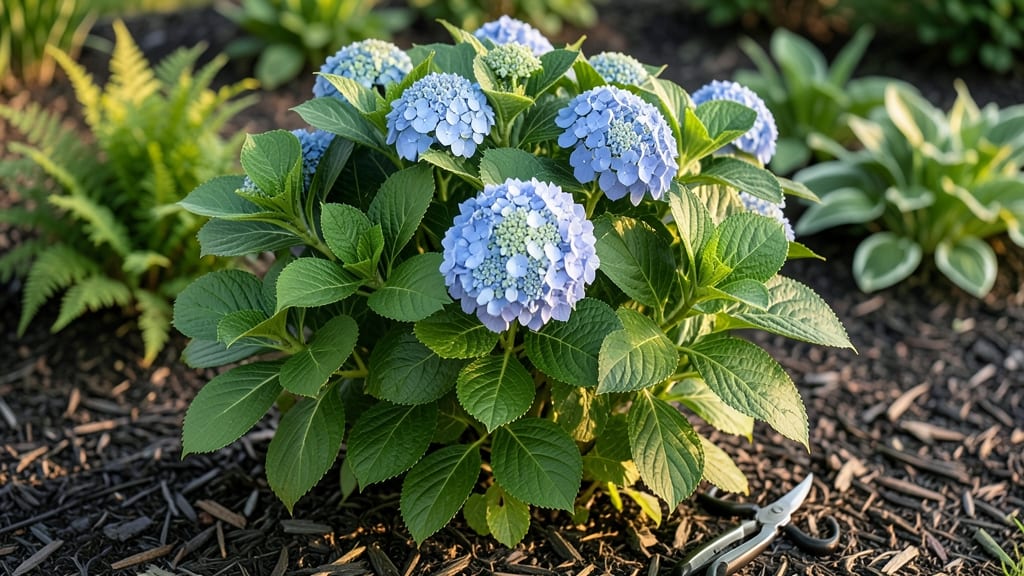
Selecting garden plants and bushes that thrive with minimal pruning means more time enjoying your yard than fussing with shears.
I’ve spent years testing varieties that stay lush, bloom reliably, and handle neglect—like hydrangeas that reward you with football-sized blooms all summer or boxwoods that stay neatly shaped without a single cut. The secret isn’t avoiding work; it’s choosing the right players for your team.
Start with three easy categories: perennials for color (like lavender or coneflowers), shrubs for structure (such as lilacs or abelia), and climbers for vertical drama (clematis or jasmine). Most need well-draining soil, 6+ hours of sun, and spacing that matches their mature size—check plant tags for specifics.
For example, hydrangeas love moisture but hate soggy roots, while rosemary thrives in dry, sunny spots where other plants wilt.
Care routines simplify once you know the basics: water deeply but infrequently (about 1 inch per week), fertilize lightly in spring, and prune only to remove dead wood or shape occasionally. My boxwoods haven’t needed trimming in years—they grow slow and dense naturally.
The payoff? A garden that looks effortless, even when you’re busy. Think of it as planting for lazy (but proud) gardeners.
Seasonal tweaks make all the difference—mulch in winter to protect roots, deadhead spent blooms to encourage reblooming, and watch for pests like aphids on new growth. With the right plants, your yard becomes a low-maintenance sanctuary. Let’s get started with the easiest, most rewarding options for your space.
📚 In This Guide
- What you need
- Instructions
- Tips and common mistakes
- Wrapping up and next steps
What you need
- ● Plants & Bushes: 3–5 low-maintenance perennials (e.g., Lavender, Boxwood, or Hydrangeas)
- ● 2–3 evergreen shrubs (e.g., Holly, Juniper, or Dwarf Lilac)
- ● 1–2 seasonal bloomers (e.g., Coneflower, Salvia, or Ornamental Grasses)
- ● Soil & Amendments: 50 lbs high-quality garden soil or compost (for nutrient-rich beds)
- ● 10 lbs slow-release fertilizer (10-10-10 or organic options like fish emulsion)
- ● Tools: 1 garden trowel (for transplanting)
- ● 1 pruning shears (bypass-style for clean cuts)
- ● 1 hand pruners (for smaller branches)
- ● 1 garden fork (for aerating soil)
- ● 1 watering can or hose with nozzle (1–2 gallons capacity)
- ● Mulch (3–4 inches of pine straw, shredded bark, or wood chips to retain moisture)
- ● Garden gloves (for comfort and protection)
- ● Stakes or cages (for tall plants like Delphiniums or Roses)
- ● pH testing kit (to check soil acidity/alkalinity before planting)
- ● Decorative stones or edging (for a polished look)
Instructions for selecting low-maintenance plants and bushes
Creating a stunning garden with minimal upkeep starts with the right plant choices.
Choose Evergreen Foundation Plants
Begin with evergreen shrubs that provide structure year-round. Boxwoods, holly, and dwarf yews are excellent choices—they maintain dense foliage through winter and require little more than seasonal pruning. I recommend planting these along property edges or as focal points in beds, where their dark green hues create a cohesive backdrop.
Space them 3-5 feet apart, depending on the mature size of each variety. For example, boxwoods typically reach 4-6 feet tall and wide, so allow extra room for their eventual spread. These plants thrive in full sun to partial shade and tolerate a wide range of soil types, making them ideal for beginners.
Add Seasonal Interest with Perennials
Incorporate perennials that bloom at different times to ensure continuous color. Coneflowers, black-eyed Susans, and Russian sage are tough, drought-tolerant plants that return year after year with minimal care. Plant these in clusters of 3-5 per variety to create natural drifts that look effortless.
Dig holes twice as wide as the root ball but only as deep as the container. This encourages root expansion without burying the plant too deeply. Water each one deeply after planting to settle the soil and eliminate air pockets around the roots.
Layer with Low-Growing Ground Covers
Fill gaps between plants with ground covers like creeping thyme, ajuga, or sedum. These plants suppress weeds naturally while adding texture and color. Spread them evenly across the bed, ensuring they don’t crowd the taller shrubs you’ve already planted.
Water lightly after installation to help them establish roots. Within 4-6 weeks, you’ll see them fill in bare spots, creating a lush, carpet-like effect. These plants thrive in partial shade to full sun, making them versatile for most garden conditions.
Incorporate Ornamental Grasses for Movement
Add upright ornamental grasses like fountain grass or maiden grass for texture and motion. These plants require no pruning except an annual trim in early spring. Plant them in odd-numbered groupings—3 or 5 plants per cluster—to create visual balance.
Dig holes 1-2 inches deeper than the root ball to ensure stability. Water thoroughly after planting, and within 2-3 weeks, you’ll notice new growth emerging from the base. Their feathery plumes add movement to the garden, even on still days.
Mulch for Long-Term Health
Apply 2-3 inches of mulch around all plants to retain moisture, suppress weeds, and regulate soil temperature. Use shredded bark or pine straw, keeping it 2 inches away from plant stems to prevent rot. Replenish mulch annually in early spring to maintain its effectiveness.
This layering approach ensures your garden remains vibrant with minimal effort. Once established, these plants will require only occasional watering and an annual pruning to keep them tidy. The key is selecting varieties that thrive in your climate and sunlight conditions.
Tips & tricks for low-maintenance garden design
Creating a garden that thrives with minimal effort requires strategic choices—and a few insider tricks to set you up for success. Here's how to maximize your landscape's potential while keeping maintenance to a bare minimum.
Plant Placement for Year-Round Structure: In Step 1, when selecting evergreen shrubs like boxwoods or holly, consider their mature height and spread. Place taller varieties toward the back of beds and shorter ones toward the front to create natural layers. I always position dwarf yews near pathways where their low profile won't obstruct views but will still provide year-round color. This arrangement mimics professional landscape design while keeping pruning needs minimal.
Soil Preparation Secret: Before planting perennials in Step 2, I recommend amending the soil with a 2-inch layer of compost mixed into the planting holes. This creates an ideal environment for root establishment without requiring ongoing fertilization. The key is to work the compost into the native soil—don't just place it at the bottom of the hole. This ensures even moisture distribution and nutrient availability throughout the root zone.
Ground Cover Timing Strategy: When installing ground covers in Step 3, I've found that planting them in early spring or early fall gives them the best chance to establish before extreme temperatures. Water lightly every other day for the first two weeks to encourage root development, then taper to weekly watering once you see new growth. This approach prevents the need for frequent watering once established, which is exactly what we're aiming for with low-maintenance gardens.
Mulch Application Technique: For Step 5, when applying your 2-3 inches of mulch, I recommend using a rake to create a slight depression around each plant stem. This helps channel water directly to the roots while keeping mulch properly aerated. Refresh the mulch layer in early spring before new growth begins—this single annual task will maintain your garden's health for the entire season.
Pro Tips for Garden Plants And Bushes
- Creating a garden that thrives with minimal effort requires strategic choices—and a few insider tricks to set you up for success.
- Plant Placement for Year-Round Structure: In Step 1, when selecting evergreen shrubs like boxwoods or holly, consider their mature height and spread.
- Soil Preparation Secret: Before planting perennials in Step 2, I recommend amending the soil with a 2-inch layer of compost mixed into the planting holes.
Frequently asked questions
Got questions about keeping your garden lush with low-maintenance plants and bushes? Here are some of the most common queries—and their answers—to help you grow with confidence!
What are the easiest plants and bushes for beginners with minimal pruning needs?
Start with hardy, resilient options like boxwoods, lavender, rosemary, or dwarf conifers. These thrive with little fuss and require pruning only 1–2 times a year. Hydrangeas and ornamental grasses also add texture with minimal effort!
When is the best time to prune low-maintenance plants and bushes?
Most bushes benefit from pruning in late winter or early spring (before new growth starts) or right after flowering. Avoid heavy pruning in fall, as it can stimulate tender new growth that won’t survive winter. Evergreens and boxwoods can handle light shaping anytime, but timing matters for flowering plants!
How do I keep my bushes looking neat without over-pruning?
Use sharp, clean pruners and focus on removing dead, crossing, or overgrown branches first. For shape, trim just outside the bush’s natural growth pattern—think of it like haircut layers! Avoid cutting more than 1/3 of the bush at once to prevent stress.
What should I do if my plants look unhealthy despite minimal pruning?
Check for pests (aphids, spider mites), disease (powdery mildew, leaf spot), or nutrient deficiencies (yellowing leaves = nitrogen lack). Adjust watering (most prefer 1 inch per week), amend soil with compost, and treat issues early. Isolation infected plants to prevent spread!
Can I mix low-maintenance bushes with flowering annuals for year-round color?
Pair boxwoods or lavender with petunias, salvia, or ornamental kale for seasonal pops of color. Just ensure annuals get enough sunlight and water—they’ll complement your bushes beautifully without extra pruning demands!
Wrapping up and next steps
Transforming your garden into a low-maintenance, year-round oasis is easier than you think! 🌿 With the right garden plants and bushes, you can enjoy vibrant colors, lush textures, and seasonal interest—without the hassle of constant pruning.
Whether you’re a seasoned gardener or just starting out, these hardy options bring beauty and resilience to any space.
Ready to take the next step? Start small:
- Pick one or two plants from our list to test in your garden.
- Observe their growth and adaptability to your climate.
- Expand your collection as you gain confidence and see what thrives!