Companion Plants
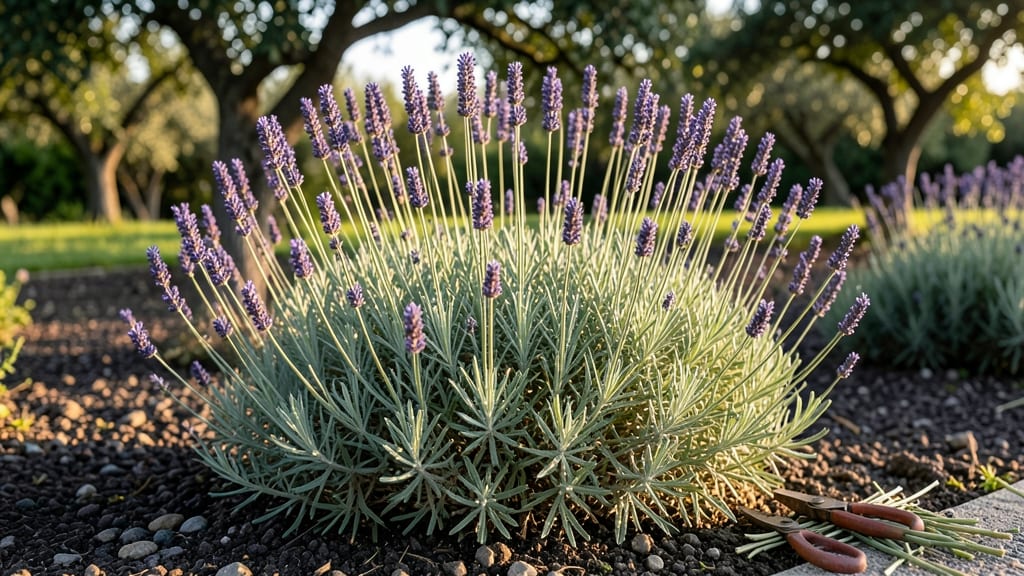
Planting garden plants outside year-round doesn’t require a green thumb—just the right approach to sunlight, soil, and timing. ✨ I’ve grown everything from tomatoes to lavender in my zone 7 garden without fuss, and the secret lies in matching plants to their natural rhythms, not forcing them into a rigid schedule.
Start with perennials like coneflowers or shrubs like boxwoods—they handle seasonal shifts better than annuals. Amend your soil with compost once a year, water deeply but infrequently, and mulch to keep roots cool in summer and insulated in winter.
My 5-gallon containers of herbs thrive on a balcony because they get consistent moisture and morning sun.
By summer’s end, you’ll have a garden that stays productive even when others are struggling. The key is observing what thrives naturally in your space—some plants beg for more sun, others for shade—and adjusting instead of fighting. That first flush of spring growth? Pure reward for minimal effort.
This works for small urban plots, rural acres, or anywhere in between. The only rule is paying attention to what your plants tell you through their leaves. Let’s get growing—your garden will thank you.
📚 In This Guide
- What you need
- Instructions
- Tips and common mistakes
- Wrapping up and next steps
What you need
- ● Plants: 3–5 hardy perennials (e.g., lavender, hostas, or sedum—check your USDA zone for cold tolerance!)
- ● 2–3 evergreen shrubs (e.g., boxwood, dwarf holly, or abelia for structure)
- ● 1–2 seasonal annuals (e.g., pansies for winter color or marigolds for summer)
- ● Soil & Amendments: 50 lbs. high-quality garden soil (or potting mix for containers)
- ● 10 lbs. compost or organic fertilizer (e.g., 5-5-5 blend)
- ○ Optional: Mulch (2–3 inches of shredded bark or straw to retain moisture)
- ● Containers (if not in-ground): 3–5 durable pots (10–15 gallons each, with drainage holes)
- ● 1 large raised bed (4’x8’ or custom size, 6–12” deep)
- ● 1 garden trowel (for transplanting small plants)
- ● 1 hand pruners (sharp, bypass-style for clean cuts)
- ● 1 garden fork or spade (for loosening soil)
- ● 1 watering can or hose with adjustable nozzle (gentle spray for seedlings)
- ○ Optional: Soil pH tester (to ensure optimal growing conditions)
- ● Sunlight: Assess your space—most plants need 4–6 hours of sunlight daily (check plant tags!).
- ● Water Access: A nearby spigot or soaker hose saves time.
- ● Weather Prep: Frost cloth or row covers for early spring/fall in cooler zones.
- ● Patience: Some plants (like perennials) take 1–2 years to fully establish!
Step-by-Step guide to planting for year-round outdoor growth
Here's how I create a low-maintenance garden that thrives through all seasons—no fuss, just beauty.
🌱 Step 1: Choose the Right Plants for Your Climate
Start by selecting plants suited to your hardiness zone and seasonal conditions. I always pick a mix of perennials (like lavender or sedum) for year-round structure and seasonal annuals (like marigolds or pansies) for bursts of color. Check each plant's label for sun exposure needs—full sun means 6+ hours daily, while partial shade tolerates 3-6 hours.
Group plants with similar water needs together to simplify care. For example, place drought-tolerant succulents near the edge of a sunny border and moisture-loving ferns under trees. This zoning cuts watering time in half. I sketch a rough layout first to visualize how they'll interact as they grow.
🪴 Step 2: Prepare the Soil and Planting Sites
Test your soil's drainage by digging a 6-inch deep hole and filling it with water. If it drains in 1 hour, your soil is good. If it takes longer, amend with 2 inches of compost mixed into the top 6 inches of soil. For heavy clay, I add 1 part sand to 3 parts soil to improve aeration.
Loosen the soil in a 12-inch radius around each planting spot with a garden fork. Break up any large clumps and remove weeds or rocks. The goal is to create a soft, crumbly bed that roots can easily penetrate. Water the area lightly before planting to help soil settle around new roots.
☀️ Step 3: Plant with Seasonal Layering
Begin with your largest plants (like shrubs or perennials) as anchors, spacing them 18-24 inches apart depending on their mature size. Fill gaps with smaller perennials and annuals, leaving 6-12 inches between them. Dig holes twice as wide as the root ball but only as deep—the top of the root ball should sit ½ inch below soil level.
Place each plant in its hole, then backfill with native soil mixed with a handful of compost. Press gently around the base to remove air pockets. Water deeply right after planting to help soil settle. I always add a 1-inch layer of mulch around each plant (keeping it 2 inches away from stems) to retain moisture and suppress weeds.
💧 Step 4: Establish a Watering Routine
Water newly planted garden beds once a week for the first month, giving each plant about 1 gallon of water at the base. Check soil moisture by sticking your finger 1 inch deep—if it feels dry, water again. Mature plants need 1 inch of water weekly, but adjust based on rainfall. I water in the early morning to reduce evaporation and fungal risks.
For drought-tolerant plants, I switch to deep watering every 10-14 days instead of frequent shallow watering. This encourages roots to grow deeper, making plants more resilient. You'll know you're doing it right when the soil around plants stays consistently moist but not soggy.
✂️ Step 5: Maintain Through the Seasons
In spring, remove dead foliage and add fresh mulch to protect roots as temperatures rise. Divide overcrowded perennials every 3-4 years to keep them healthy. Summer is all about monitoring moisture—adjust watering if you notice wilting or yellowing leaves. I always prune spent flowers on annuals to encourage more blooms.
Fall is the time to plant cool-season crops and add a 2-inch layer of compost to the soil. In winter, I check mulch levels and top up if needed to insulate roots. This seasonal check-in keeps the garden thriving with minimal effort. The key is consistency—small, regular tasks prevent overwhelming work later.
Tips & tricks for perfect year-round outdoor planting
These simple tricks will help you create a thriving garden that requires minimal effort while keeping your plants happy all year long.
The Plant Selection Secret: When choosing plants in Step 1, look for those labeled as "drought-tolerant" or "low-maintenance" on the tags. These varieties are bred to handle seasonal changes better. I always pick at least one native plant for each zone—natives adapt better to local conditions and require less care. For example, lavender thrives in full sun and needs very little water once established, while hostas do well in partial shade with consistent moisture.
Soil Prep Shortcut: In Step 2, if you're working with heavy clay soil, mix in 1 part perlite to 3 parts soil instead of sand—it improves drainage while retaining more moisture. For sandy soil, add 2 inches of peat moss to help hold nutrients. Always test your soil's pH before planting; most perennials prefer a slightly acidic to neutral range (6.0-7.0). You can buy a simple pH test kit at garden centers for just a few dollars.
Planting Depth and Spacing: In Step 3, when digging holes, use a garden trowel to mark the planting depth on the hole's side—this helps you visualize where the top of the root ball should sit. For container-grown plants, gently loosen the roots at the bottom before planting to encourage outward growth. If you're planting in rows, use a string line and stakes to keep spacing consistent, especially when planting annuals like marigolds.
Watering Wisdom: In Step 4, the key to successful watering is consistency. I set a reminder on my phone for the first month to ensure I don't miss watering. For newly planted beds, use a rain gauge to measure exactly 1 inch of water—this helps prevent underwatering or overwatering. You can also use a spray nozzle on your hose to make watering more precise, especially for smaller plants.
Pro Tips for Garden Plants Outside
- These simple tricks will help you create a thriving garden that requires minimal effort while keeping your plants happy all year long.
- The Plant Selection Secret: When choosing plants in Step 1, look for those labeled as "drought-tolerant" or "low-maintenance" on the tags.
- Soil Prep Shortcut: In Step 2, if you're working with heavy clay soil, mix in 1 part perlite to 3 parts soil instead of sand—it improves drainage while retaining more moisture.
Frequently asked questions
about growing garden plants outside year-round—we’ve got you covered! Here are answers to the most common queries to help you green-thumb your way to success with minimal fuss.What are the easiest plants to grow outside year-round in most climates?
Opt for hardy perennials like lavender, rosemary, or thyme—they thrive in cold and heat. For cooler zones, try hostas or heucheras, while succulents and sedum handle drought and frost well. Check your USDA zone for tailored picks!
How do I protect plants from frost or freezing temperatures?
Use frost cloths or row covers for lightweight protection. Mulch heavily around the base to insulate roots, and group tender plants together to trap warmth. Move potted plants to sheltered spots or bring them indoors if temps drop below their tolerance.
Can I grow vegetables outside year-round, and which ones work best?
Leafy greens like kale and spinach tolerate cold, while broccoli and carrots thrive in cooler weather. For warmer climates, peppers and eggplants can extend harvests with season-long care. Use greenhouses or cold frames to push limits!
What’s the best way to deal with pests without harsh chemicals?
Encourage beneficial insects like ladybugs or lacewings to prey on pests. Neem oil or soapy water sprays work gently, and companion planting (e.g., marigolds with tomatoes) deters many bugs naturally. Regularly inspect plants to catch issues early!
How often should I water outdoor plants in different seasons?
| Season | Watering Frequency | Pro Tip |
|---|---|---|
| Spring/Fall | 1–2 times per week | Water deeply but less often to encourage root growth. |
| Summer | Daily (early morning) | Mulch to retain moisture and reduce evaporation. |
| Winter | Every 2–3 weeks (check soil) | Overwatering can harm dormant plants—let soil dry slightly. |
What if my plants look sickly even with proper care?
Check for overwatering (yellow leaves) or undersunlight (leggy stems). Soil pH imbalances or nutrient deficiencies (e.g., chlorosis) may also be culprits. Test your soil and adjust with amendments like compost or fertilizer as needed.
Wrapping up and next steps
Creating a thriving year-round garden with minimal fuss is totally within reach—you just need the right plants and a little know-how! From hardy perennials to low-maintenance annuals, your outdoor space can burst with life without the stress.
Start small, observe what works, and let your green thumb grow stronger with each season.
Ready to take the next step? Pick one plant from this guide and plant it this weekend—your future self (and pollinators!) will thank you. 🌱✨