Tools
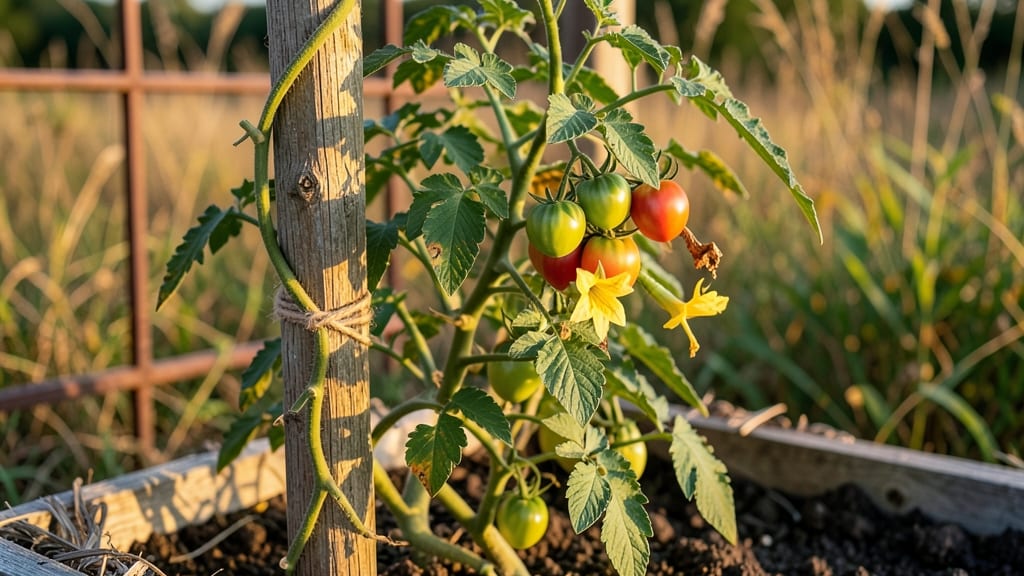
Garden tomato problems can turn your dream harvest into a frustrating mystery—but I’ve cracked the code on diagnosing and fixing them in under 30 minutes. 🌱 The key isn’t guessing; it’s matching symptoms to causes like a detective with a magnifying glass.
Last summer, my prized heirlooms were wilting overnight until I spotted the telltale signs of blight on the lower leaves.
Most issues boil down to three culprits: pests, diseases, or environmental stress. Aphids cluster like cotton balls on stems, hornworms strip leaves overnight, and blight starts as brown spots that spread like wildfire.
The good news? Each problem has a signature look—yellowing leaves mean overwatering, while curled edges scream nutrient deficiency. I’ll show you how to spot them fast.
By the end, you’ll know exactly what’s wrong with your plants and how to fix it—whether it’s a simple pruning, a targeted spray, or adjusting your watering schedule. No more guessing games: just clear, actionable steps to save your tomatoes before they’re lost. Let’s get those plants back on track.
This works for backyard gardens, containers, or even balcony setups—no matter your space or skill level. The secret is acting fast, so your harvest stays lush and productive. Ready to troubleshoot like a pro?
Root Causes Behind Tomato Troubles
Garden tomatoes are finicky little powerhouses—when they thrive, they reward you with juicy, sun-ripened fruit, but when they struggle, the reasons often boil down to a mix of environmental stress, biological attacks, and cultural mismanagement.
Understanding why these issues arise is half the battle in fixing them. Below, we break down the science behind the most common tomato woes, so you can tackle them like a pro.
Tomatoes are tropical plants at heart—they love warmth but hate being pushed beyond their comfort zone. Here’s how temperature swings sabotage your crop:
- Heat Stress (Above 90°F/32°C):
- When daytime temps soar, tomato plants stop setting fruit due to a process called pollination failure. High heat disrupts the movement of pollen from the anthers to the stigma, leaving flowers empty.
- Blossom Drop: Flowers and small fruit may abort and fall off, especially if nights stay warm (above 75°F/24°C). This is your plant’s way of conserving energy.
- Sunburn: Leaves and fruit can develop white or grayish patches (called sunscald) when exposed to intense UV rays, making them bitter or inedible.
- Cold Stress (Below 50°F/10°C):
- Cold snaps stunt growth and can cause blackened or mushy fruit if temperatures dip below freezing. Even mild cold (50–55°F/10–13°C) slows photosynthesis.
- Fungal Invaders: Damp, chilly conditions create the perfect breeding ground for diseases like early blight and gray mold.
- Root Freeze: If roots are exposed to frost, they can’t absorb water or nutrients, leading to wilting and death.
💡 Pro Tip: Use row covers or shade cloth (30–50% coverage) during heatwaves, and mulch heavily to insulate roots in cold snaps. Varieties like 'Heatmaster' or 'Solar Fire' are bred to tolerate heat better.
Tomatoes are thirsty but hate soggy feet. Watering issues trigger a cascade of problems, from weak plants to disease outbreaks. Here’s how it happens:
| Problem | Why It Happens | Visible Signs |
|---|---|---|
| Underwatering |
|
|
| Overwatering |
|
|
| Inconsistent Watering |
|
|
💡 Pro Tip: Water deeply 1–2 times per week (1–1.5 inches total), using drip irrigation or soaker hoses to keep soil evenly moist. Mulch with straw or wood chips to retain moisture and prevent temperature swings.
Tomatoes are a buffet for insects, fungi, and bacteria. Many problems start small—so small you might miss them—until the damage is done. Here’s how these invaders strike:
- Fungal Diseases (Blight, Mold, Mildew):
- Pathogens like Alternaria solani (early blight) or Phytophthora infestans (late blight) thrive in humid, warm conditions (75–85°F/24–29°C).
- Spores land on leaves and create lesions that block sunlight, weakening the plant.
- Late blight, in particular, can destroy a crop in days—it’s the same fungus that caused the Irish Potato Famine.
- Bacterial Infections (Spot, Wilt, Canker):
- Xanthomonas or Pseudomonas bacteria enter through wounds (pruning cuts, insect bites) or rain-splashed droplets.
- They clog plant vessels, cutting off water and nutrients, leading to wilting, yellowing, and blackened leaves.
- Once established, bacterial infections are nearly impossible to cure—prevention is key.
- Insect Pests (Aphids, Hornworms, Whiteflies):
- Aphids and whiteflies suck sap, weakening the plant and spreading viral diseases like Tomato Yellow Leaf Curl Virus.
- Hornworms (giant green caterp
Fixing your tomato troubles
Now that you know what’s ailing your garden tomatoes, let’s roll up our sleeves and get them back to producing juicy, flavorful fruit! 🍅🔧 The good news?
Most tomato problems have simple, effective fixes—whether it’s a quick tweak to your care routine or a proactive step to keep pests and diseases at bay. Below, we’ll match each issue to its solution, plus share prevention tips to stop future headaches.
Cause: Calcium deficiency (often from inconsistent watering or poor soil pH). Fix It Fast: 🔥 Step 1: Adjust Watering – Water deeply 1–2 times per week (not daily!). Use drip irrigation or soaker hoses to keep roots consistently moist. 👨🍳 Step 2: Boost Calcium – Sprinkle crushed eggshells or calcium-rich compost around the base. For a quick fix, spray calcium nitrate solution (1 tbsp per gallon of water) on leaves. 🥘 Step 3: Mulch Like a Pro – Cover soil with straw or grass clippings to retain moisture and prevent pH swings.
💡 Prevention Tip: Test your soil’s pH (aim for 6.0–6.8). If it’s too acidic, add lime to sweeten it up!
Cause: Aphids, hornworms, or whiteflies sucking the life out of your plants. Fix It Fast: 🔪 Step 1: Handpick & Squish – Hunt for hornworms (big green caterpillars) and drop them in soapy water. 🐛 🍳 Step 2: Spray Natural Remedies –
- Aphids? Mix 1 tsp dish soap + 1 quart water and spray directly.
- Whiteflies? Try neem oil spray (1 tbsp neem oil + 1 tsp soap per gallon of water).
⏰ Step 3: Encourage Predators – Plant marigolds, basil, or dill nearby to attract ladybugs and lacewings (they love eating pests!).
💡 Prevention Tip: Rotate crops yearly to disrupt pest life cycles. Use row covers early in the season to block flies and beetles.
Cause: Too much moisture (early watering, poor airflow) leads to blight, powdery mildew, or early blight. Fix It Fast: 🌡️ Step 1: Improve Airflow – Prune plants to remove crowded branches and space them 18–24 inches apart. 🔥 Step 2: Fungicide Spray – Use copper fungicide (for blight) or baking soda spray (1 tbsp baking soda + 1 tsp soap + 1 gallon water) every 7–10 days. 🥗 Step 3: Water Smart – Water at the base (not leaves) early in the day so foliage dries quickly.
💡 Prevention Tip: Remove infected leaves immediately (don’t compost them!). Choose disease-resistant varieties (like ‘Mountain Merit’ or ‘Celebrity’ tomatoes).
Cause: Inconsistent watering (drought followed by a big drink) or uneven ripening. Fix It Fast: 💦 Step 1: Water Consistently – Aim for 1–1.5 inches of water per week (check soil moisture with your finger—top inch should be dry). 🎯 Step 2: Mulch Heavily – Use straw or wood chips to keep roots cool and moisture steady. ✨ Step 3: Harvest Early – Pick tomatoes firm but slightly green and let them ripen indoors for fewer cracks.
💡 Prevention Tip: Prune suckers (side shoots) to reduce stress on the plant and improve airflow.
Cause: Lack of pollination (common in greenhouse tomatoes or hot, humid weather). Fix It Fast: 🐝 Step 1: Hand-Pollinate – Gently shake plants in the morning or use a small paintbrush to transfer pollen between flowers. 🌡️ Step 2: Keep It Cool – If temps hit above 90°F, provide shade cloth to protect blossoms. 🍳 Step 3: Feed for Flowers – Add phosphorus-rich fertilizer (like bone meal) to encourage blooming.
💡 Prevention Tip: Plant pollinator-friendly flowers (like nasturtiums or sunflowers) nearby to attract bees!
Final Pro Tip: 🔥 Rotate crops every year to prevent soil-borne diseases, and keep a garden journal to track what works (and what doesn’t) for your specific climate!
With these fixes, your tomato plants will be back to thriving—and your kitchen will soon be overflowing with homegrown, problem-free tomatoes! 🍅🎉
Frequently asked questions about garden tomatoes
Why are my tomato leaves turning yellow?
Yellowing leaves usually signal overwatering or nutrient deficiency. Check the soil moisture first—if it's soggy, reduce watering. Yellowing often starts with lower leaves, but if it spreads upward, your plant may need nitrogen-rich fertilizer or better drainage. Always water at the base, not the leaves, to prevent fungal issues.
How do I stop tomato fruit from cracking?
Cracked tomatoes happen from inconsistent watering. Maintain steady moisture by watering deeply 1-2 times per week (1-1.5 inches total) and using mulch to regulate soil temperature. Harvest slightly green tomatoes and ripen them indoors to avoid sudden growth spurts that cause splitting.
What should I do about hornworms on my tomato plants?
Hornworms are fast-moving pests that can devour leaves overnight. Start by handpicking them (drop them in soapy water) and check plants daily. For organic control, spray with neem oil or introduce parasitic wasps (they naturally target hornworms). Planting basil nearby can also deter them.
Can I still save tomatoes with early blight?
Yes, but act fast! Remove all infected leaves immediately (don't compost them) and apply copper fungicide every 7-10 days. Improve airflow by pruning crowded branches and water at the base early in the day so foliage dries quickly. Choose disease-resistant varieties like 'Mountain Merit' for next season.
Why aren't my tomato flowers turning into fruit?
This usually means pollination failure from heat stress (above 90°F) or lack of bees. Hand-pollinate by gently shaking plants in the morning or using a paintbrush. Keep plants cool with shade cloth during heatwaves, and add phosphorus-rich fertilizer to encourage blooming.