Tools
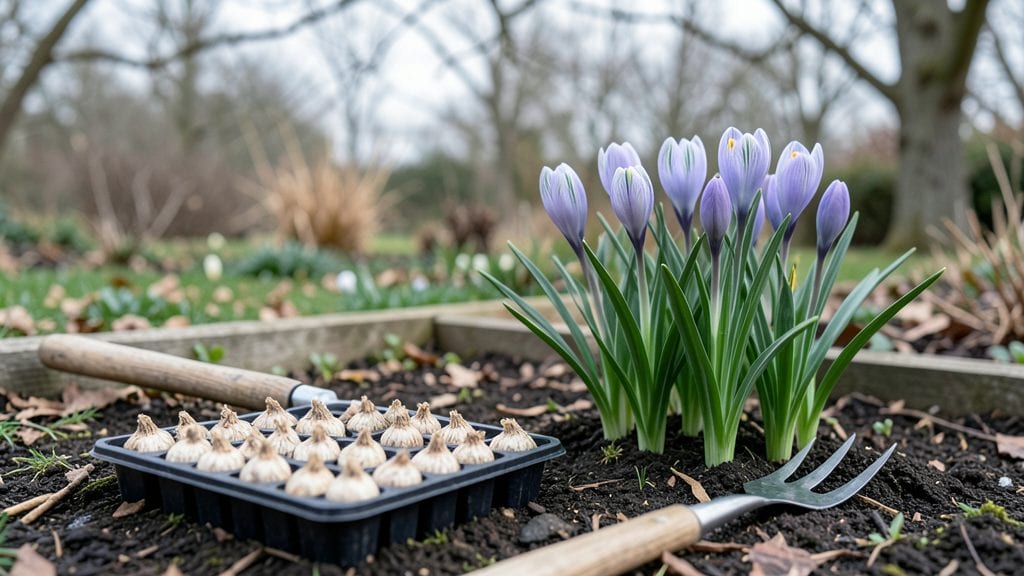
March is when the garden wakes up from its winter nap, and knowing the right moves makes all the difference between a thriving spring and a second-guessed mess. 🌱 I’ve learned the hard way that planting too early can turn tender seedlings into frost snacks—so timing is everything.
The secret isn’t just about what you plant, but when and how you protect it from those sneaky late frosts.
Start with cold-hardy crops like peas, spinach, and lettuce—they’ll handle March’s mood swings. Meanwhile, prep your soil by adding compost and raking out winter debris. If your area still gets surprise frosts, use row covers or cloches to shield young plants.
I’ve saved entire batches of seedlings this way, and it takes less than 10 minutes to set up.
By late March, you’ll see those first shoots pushing through the soil, their bright green leaves signaling success. The air smells fresher, the light lasts longer, and suddenly, the garden feels like a promise kept.
This is when perennials wake up too—prune back dead foliage now to make room for new growth.
Regional tweaks matter: Northern gardeners should wait until after the last frost date, while Southerners can start earlier. Either way, keep a thermometer handy and watch the forecast. March is the month where patience pays off—what you do now sets the stage for a summer of harvests.
📚 In This Guide
- What you need
- Instructions
- Tips and common mistakes
- Wrapping up and next steps
What you need
- ● Garden Gloves: 1 pair (waterproof, breathable, and durable—think nitrile-coated for extra grip).
- ● Hand Trowel: 1 (6-8" stainless steel, with a comfortable grip for digging and transplanting).
- ● Pruners: 1 pair (bypass pruners for clean cuts—look for ergonomic handles and rust-resistant blades).
- ● Garden Fork: 1 (heavy-duty, 12-14" for turning soil and breaking up clods).
- ● Watering Can or Hose: 1 (with a fine-mist nozzle for seedlings; 2-3 gallons capacity).
- ● Wheelbarrow: 1 (small, 2-3 cubic feet for hauling soil, compost, or tools).
- ● Seedlings or Seeds: Cold-hardy veggies (e.g., broccoli, peas, spinach, lettuce—10-20 plants/seed packets).
- ● Perennials (e.g., lavender, thyme, or asparagus crowns—check hardiness zones).
- ● Compost or Fertilizer: 1-2 bags (organic, balanced 10-10-10 or composted manure for nutrient boost).
- ● Mulch: 1-2 bags (straw or shredded leaves, 2-3" layer to retain moisture).
- ● Row Covers or Frost Blankets: 1-2 (lightweight fabric to protect tender plants from late frosts).
- ● Plant Markers: 10-20 (biodegradable labels or popsicle sticks to track seedlings).
- ● Soil Thermometer: 1 (to check if soil is warm enough for planting—50°F+ for most veggies).
- ● Knee Pads: 1 pair (for comfort during long planting sessions).
- ● Seedling Trays: 1-2 (biodegradable or reusable, 72-cell trays for starting seeds indoors).
- ● Garden Journal: 1 (to log planting dates, varieties, and growth tips).
Instructions: March planting checklist for frost-free starts
Here's how to time your early spring planting for maximum success without losing tender seedlings to late frosts.
🌱 Step 1: Assess Your Last Frost Date and Soil Temperature
First, check your local average last frost date—this tells you when nighttime temperatures reliably stay above 32°F. I always add 2 weeks as a safety buffer for slow-growing plants. Then test your soil temperature with a probe or by pressing your finger in: it should be at least 45°F for most cool-season crops and 55°F for warm-season starters like tomatoes.
If your soil feels cold or you're unsure, wait—planting too early in chilly soil stresses roots and invites rot. I've learned this the hard way with wilting lettuce in March! For container planting, use a heat mat to warm soil to 60°F if needed.
☀️ Step 2: Start Cool-Season Crops Indoors or Use Frost Cloth
March is perfect for sowing cold-hardy vegetables like peas, spinach, and kale. I begin these 4-6 weeks before my last frost date under grow lights, giving them a head start. For outdoor planting, cover seedlings with frost cloth at night until temperatures stabilize above 35°F.
Watch for first true leaves—these are the second set after the initial seed leaves. Once they appear, harden off seedlings by moving them outdoors for 1 hour daily, gradually increasing time. You'll know they're ready when they bounce back from a 35°F night without wilting.
💧 Step 3: Prepare Garden Beds with Compost and Mulch
Work 2-3 inches of compost into the top 6 inches of soil to improve drainage and fertility. I like to mix it in when the ground is workable but not muddy—step on the soil and if it holds your footprint, wait a few days. Add a 1-inch layer of straw mulch after planting to retain moisture and suppress weeds.
For raised beds, add 1-2 inches of coarse sand if your soil drains poorly—this prevents waterlogging, which is deadly in March's unpredictable weather. Test your bed by pressing your thumb in: if water pools, you need more drainage material.
⏰ Step 4: Time Warm-Season Plantings for After Frost
Hold off on tomatoes, peppers, and basil until after your last frost date—these plants won't survive even light freezes. Instead, start them indoors 8-10 weeks before transplanting using the seed-starting mix and grow lights you prepared earlier.
When nighttime temperatures consistently stay above 50°F, it's safe to transplant. I always wait until mid-March at the earliest, even if the calendar says spring has arrived. Watch your local weather forecast for 5-day forecasts—this helps you avoid planting right before a cold snap.
✂️ Step 5: Monitor and Protect New Plantings
After planting, water deeply to settle soil around roots—aim for 1 inch of water per week, delivered either through rainfall or irrigation. I use a soaker hose to water at the base, which keeps leaves dry and prevents fungal diseases.
Keep an eye on the forecast and be ready to cover plants with frost cloth or row covers if a late frost is predicted. You'll know your plants are thriving when they show vigorous new growth within 10-14 days of planting—this means their roots have established and they're ready to handle cooler temperatures.
Tips & tricks for perfect March planting timing
Timing is everything in March gardening—here's how to avoid common pitfalls and set your garden up for success.
Soil Temperature Test: The 45°F soil temperature threshold in Step 1 isn't just a number—it's when roots can actually absorb nutrients. Press your finger in: if it feels cold to your knuckles, wait. For containers, a heat mat to reach 60°F makes all the difference for warm-season starts like tomatoes. I've seen seedlings rot when planted in cold soil, even if the air feels warm.
Frost Cloth Strategy: When using frost cloth in Step 2, leave the bottom edges tucked under soil to trap heat. This creates a 5°F warmer microclimate at the plant base, which helps seedlings survive 35°F nights. I always secure it with bricks or landscape pins—wind can lift it and expose tender leaves to frost.
Compost Layering: The 2-3 inches of compost in Step 3 should be mixed into the top 6 inches of soil, not just spread on top. This creates a nutrient-rich zone where roots can access food. For heavy clay soil, add 1-2 inches of coarse sand to prevent waterlogging—this is especially critical in March's unpredictable rains.
Hardening Off: The 1 hour daily hardening off in Step 2 builds resilience gradually. Start with morning sun and bring plants back indoors if temperatures drop below 50°F. You'll know they're ready for full outdoor exposure when they bounce back from 35°F nights without wilting—this usually takes about a week of gradual exposure.
Pro Tips for Gardening In March
- Timing is everything in March gardening—here's how to avoid common pitfalls and set your garden up for success.
- Soil Temperature Test: The 45°F soil temperature threshold in Step 1 isn't just a number—it's when roots can actually absorb nutrients.
- Frost Cloth Strategy: When using frost cloth in Step 2, leave the bottom edges tucked under soil to trap heat.
Frequently asked questions
Got questions about tackling your garden in March? You’re not alone! Here are some of the most common concerns—and straightforward answers—to help you get started with confidence.
Can I plant directly in the ground in March, or should I wait?
It depends on your climate! In warmer regions (zones 7-10), you can plant cool-season crops like lettuce, spinach, and peas as early as mid-March. In cooler areas (zones 3-6), wait until after the last frost date (usually late March or April) or use row covers to protect tender plants. Always check your local frost forecast for peace of mind.
How do I protect my plants from late frosts?
Late frosts can sneak up—literally! Use frost cloths or row covers to shield seedlings. For extra warmth, try cold frames or mini greenhouses. Water plants in the morning to help them absorb heat during the day. And if frost is predicted? Cover plants after sunset to trap heat.
What are the best early-March plants to start indoors?
March is perfect for starting seeds indoors! Focus on warm-season favorites like tomatoes, peppers, and eggplants (they need 6-8 weeks of warmth before transplanting). For cool-season crops, try broccoli, cabbage, or kale—these can handle cooler temps. Use a seed-starting mix and keep them under grow lights for 12-16 hours daily.
What should I do with my garden if March is too wet or muddy?
Muddy soil can be a pain, but don’t let it stop you! If your garden is waterlogged, amend the soil with compost or aged manure to improve drainage. Avoid working the soil when it’s soggy—wait until it’s crumbly. You can also plant cover crops like clover or rye to prevent erosion and add nutrients for later.
Are there pests I should watch for in early spring?
Yes! Keep an eye out for aphids, slugs, and cutworms—they love tender new growth. Use organic sprays (like neem oil) for aphids or beer traps for slugs. For cutworms, wrap stems with cardboard collars to block their chewing. Prevention is key, so stay vigilant and act fast!
Wrapping up and next steps
March is your chance to jumpstart the growing season—whether you’re prepping soil, sowing cool-season crops, or protecting tender plants. With the right tools, knowledge, and a little patience, you’ll set the stage for a thriving garden long before summer arrives. 🌱✨
Ready to take action? Start by sketching your early planting plan—pick 1-2 priority crops (like lettuce or peas) and gather supplies from your March gardening checklist.
Then, mark your calendar for late March or early April to transplant seedlings or direct-sow hardy veggies. Your future harvests will thank you!