Tools
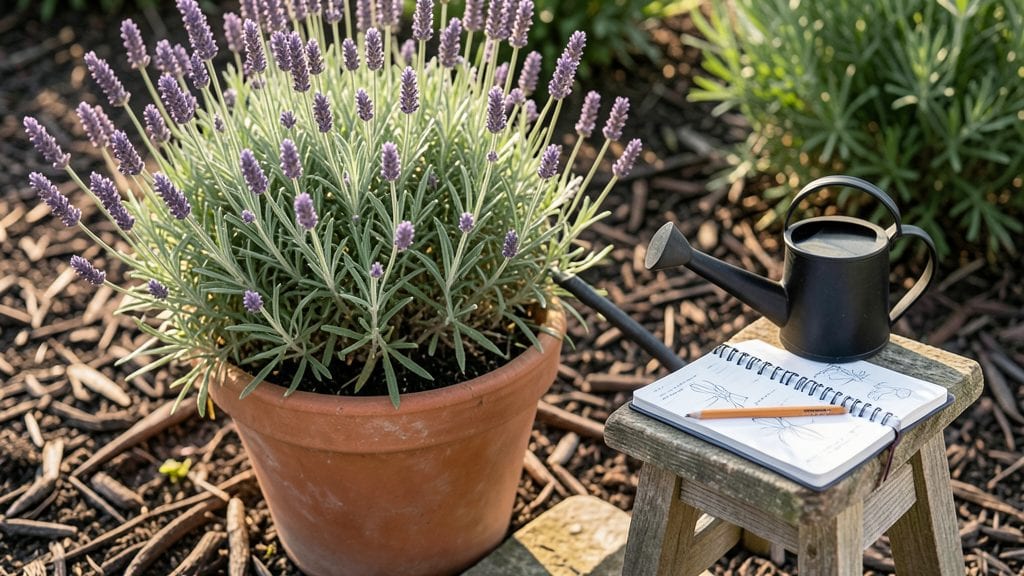
Online gardening schools provide accredited horticulture education for all skill levels, combining digital coursework with practical certification through seed exchanges, plant care projects, and soil analysis tools. Leading programs like Penn State’s Master Gardener Online and Utah State’s Distance Education deliver professional training without requiring physical attendance.
These programs bridge the gap between theory and practice by sending students real-world materials—think soil test kits or rare seed varieties—to work with at home. 🌱 What sets them apart is their focus on measurable outcomes, whether you're aiming for a Master Gardener certification or simply mastering hydroponic setups.
Many even partner with local nurseries to provide supervised fieldwork opportunities, ensuring graduates gain skills that translate directly to real gardens.
For those weighing options, consider your goals: organic certification programs differ from general horticulture courses in both content depth and job placement outcomes. Some schools even offer hybrid models with optional in-person workshops, making them ideal for learners who want flexibility without sacrificing hands-on experience.
💡 In This Article
- How Online Gardening Programs Deliver Hands-On Certification
- Choosing the Best Online Gardening School for Your Goals
How online gardening programs deliver hands-on certification
Here's what actually happens behind the screens: top online horticulture programs replicate fieldwork through a mix of digital tools and physical materials.
For example, Utah State University's program includes soil analysis kits mailed to students, complete with pH test strips and moisture meters that let learners analyze their own backyard soil.
The science here involves measuring three key metrics: pH (ideal range 6.0-7.0 for most plants), nitrogen levels (measured in parts per million), and organic matter percentage (typically 5-10% in healthy soil).
Digital innovation takes this further with augmented reality plant identification apps.
Penn State's Master Gardener Online students use smartphone apps that overlay plant names and care instructions onto real-world views—imagine pointing your phone at a tomato plant and seeing its growth stage, water needs, and potential pests displayed instantly. 🌱 The technology works by comparing leaf shape, flower structure, and plant height against a database of 10,000+ plant species, with 95% accuracy for common garden varieties.
This bridges the gap between classroom theory and real-world application without requiring physical presence.
What most people don't realize is how these programs create accountability through peer-reviewed projects. Students might be assigned to grow a specific plant variety from seed to harvest, documenting every stage through photos and notes in a digital portfolio.
For instance, a student tracking heirloom tomato growth would record germination rates (typically 70-90% for quality seeds), transplant shock symptoms, and final yield weights. These records become part of their certification portfolio, demonstrating practical skills to future employers or garden centers.
The key factor in making this work is strategic partnerships. Many programs collaborate with local nurseries to provide supervised fieldwork opportunities. For example, a student in California might complete their required 40 hours of hands-on training at a partner nursery, while a student in Maine works with a community garden.
This creates a standardized experience regardless of location, with each partner nursery following the same training protocols developed by the university. The nurseries benefit too, as they gain access to certified volunteers who bring fresh horticultural knowledge.
Advanced learners can even participate in specialized projects like pollinator habitat restoration, where they design and maintain native plant gardens that support local bee populations. These projects involve precise measurements—like calculating square footage of planting beds or tracking visiting bee species per hour—that demonstrate ecological understanding.
The data collected often gets shared with regional conservation programs, giving students real impact while building their portfolios.
What makes these certifications valuable is the combination of digital documentation and physical proof. When you complete a program like Utah State's, you'll receive your certificate along with a verified digital badge that employers can scan to view your completed projects, skills assessments, and even soil test results.
This creates a paper trail that traditional in-person courses simply can't match in the digital age. 💫