Advice
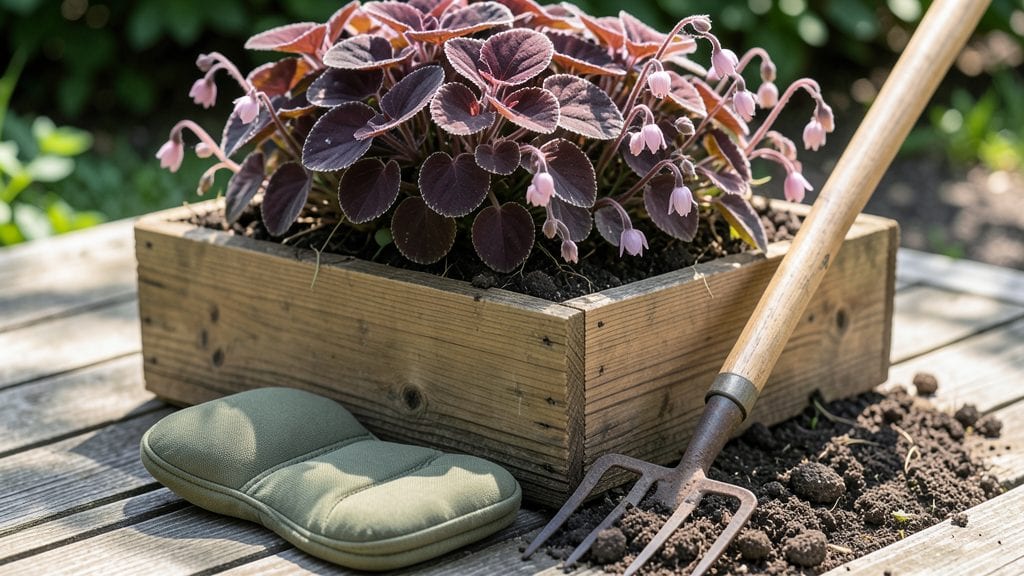
Gardening with bad knees doesn’t mean giving up your green thumb—it means getting smarter about how you work. 🌱 After years of bending and squatting that left my knees aching by midsummer, I finally figured out how to keep gardening without the pain.
The key isn’t avoiding the garden; it’s adapting the way you move through it.
Start with the right tools: long-handled pruners, a lightweight wheelbarrow, and a sturdy kneeling pad make all the difference. Raised beds at waist height eliminate kneeling entirely, and organizing tools within arm’s reach cuts down on awkward reaching.
My favorite discovery? A small folding stool that lets me sit while weeding or planting—no more straining to stay upright.
You’ll be surprised how much more you can accomplish when your body isn’t fighting you. I now plant entire flower beds in under an hour, thanks to ergonomic tools and smart layout.
The garden stays productive, and my knees stay happy—proof that pain-free growing is totally possible with a few simple adjustments.
Whether you’re dealing with arthritis, old injuries, or just general wear and tear, these techniques work for any level of mobility. The goal is to keep gardening joyful, not frustrating. Let’s get you growing without the grind!
📚 In This Guide
- What you need
- Instructions
- Tips and common mistakes
- Wrapping up and next steps
What you need
- ● Ergonomic gardening tools: 1 lightweight, long-handled blank">digger (12–18 inches) – reduces bending
- ● 1 long-handled blank">pruner (with comfortable grips) – for trimming without strain
- ● 1 blank">ergonomic trowel (with padded handle) – for planting and weeding
- ● Seating & support: 1–2 blank">foldable garden stools (with armrests) – for kneeling or sitting
- ● 1 blank">knee pad with handles (or a blank">garden kneeler) – for minimal kneeling
- ● 1 blank">wheelbarrow or dolly – for hauling soil, mulch, or plants
- ● Adaptive planters: 2–4 blank">raised beds or containers (12–18 inches tall) – eliminates deep bending
- ○ 1 blank">self-watering planter (optional) – reduces bending for watering
- ● Safety & comfort: 1 pair blank">knee braces or supports (if needed) – for extra stability
- ● 1 blank">gardening apron with pockets – keeps tools handy
- ● 1 blank">hat and sunscreen – protects joints from overheating
- ● 1 blank">hose with adjustable nozzle – for easy watering without bending
- ● 1 blank">soil mixer or wheelbarrow attachment – for mixing soil with less effort
- ● 1 blank">portable potting bench – for repotting without squatting
- ● 1 blank">voice-activated smart speaker – for hands-free music or reminders
Step-by-Step instructions for pain-free gardening techniques
Here’s how to transform your garden into a knee-friendly paradise using smart tools and ergonomic methods.
🪴 Step 1: Set Up Your Workspace for Comfort
Start by creating a raised, adjustable-height work zone—whether that’s a 24-inch-tall planter box or a foldable kneeling pad with armrests. I swear by a foldable stool with a footrest placed near my gardening area; it lets me sit when needed without bending. Position your tools—long-handled weeding tools, pruners, and a watering wand—within arm’s reach to avoid twisting or leaning.
Place frequently used items (like gloves or seed packets) in a wall-mounted pocket organizer at waist height. This eliminates the need to bend or stretch. If you’re working with in-ground beds, consider elevated beds with 12-inch-high sides—they reduce squatting by half. The key is eliminating unnecessary movement; every second spent reaching or bending adds up over time.
💧 Step 2: Use Long-Handled Tools to Avoid Bending
Invest in long-handled tools designed specifically for gardening with mobility challenges. A 24-inch weeding fork and 30-inch pruning shears let you work standing up, while extended-reach trowels (with 18-inch handles) make planting and digging effortless. I’ve found that ergonomic grips on tools reduce hand strain too—something like a gel-coated handle makes hours of gardening far more comfortable.
For watering, a hose with an adjustable wand (or a lightweight, long-neck watering can) eliminates the need to crouch. You’ll notice the difference immediately: no more aching knees from leaning over a short can. If you’re planting, use a seedling tray with a built-in handle to lift entire flats at once instead of individual pots.
☀️ Step 3: Adapt Your Planting Strategy for Ease
Opt for container gardening or raised beds to avoid kneeling entirely. A 4-foot-by-8-foot raised bed filled with lightweight potting mix can be worked from a standing position, and you can even add a removable seat in the center for breaks. If you prefer in-ground planting, use wide, shallow trenches (just 6 inches deep) for bulbs or shallow-rooted plants like lettuce and radishes—no deep digging required.
For larger plants, pre-start seedlings in pots and transplant them using a long-handled trowel to loosen soil without bending. I’ve also had great success with self-watering planters—they reduce the need to bend down to water, and the built-in reservoirs mean fewer trips to the hose. Choose compact, bushy varieties of vegetables and flowers to minimize the need for frequent pruning or staking.
✂️ Step 4: Implement Smart Mulching and Maintenance
Apply 3-4 inches of organic mulch (like shredded bark or straw) around plants to suppress weeds naturally. This cuts down on the need for frequent weeding, which is often the most painful part of gardening. I use black plastic mulch for rows of tomatoes and peppers—it blocks weeds entirely and keeps soil moist, so I only need to water every 5-7 days instead of daily.
For pruning, use bypass pruners with extended handles to trim branches without reaching. If you’re dealing with overgrown shrubs, prune in stages over a few days to avoid straining. I also recommend installing a small bench or chair near your most-used garden areas so you can sit while harvesting or deadheading flowers—just a few minutes of sitting can make a big difference in comfort.
⏰ Step 5: Schedule Tasks for Energy Efficiency
Break gardening into short, frequent sessions (20-30 minutes) rather than long, exhausting marathons. I’ve found that morning watering (when plants need less) and evening harvesting (when it’s cooler) reduce strain. Use a timer or phone reminders to take breaks every 15 minutes—stretch, sit, or hydrate. This prevents overexertion and keeps your knees happy.
If possible, delegate or automate repetitive tasks. A soaker hose on a timer handles watering, while a mulching mower (if you have lawn) cuts down on manual labor. For larger yards, consider electric trimmers or robotic lawn mowers—they eliminate the need to push or pull heavy equipment. The goal is to enjoy gardening without the physical toll; every small adjustment adds up to a pain-free experience.
Tips & tricks for pain-free gardening
Transforming your gardening routine into a knee-friendly experience takes more than just the right tools—it's about smart strategies that minimize strain while maximizing productivity. Here's how to elevate your approach beyond the basics.
Ergonomic Tool Upgrade: The 24-inch weeding fork and 30-inch pruning shears mentioned in Step 2 are game-changers, but don't stop there. I've found that adding adjustable-height handles to your tools (like the ones from Fiskars) lets you customize the length for different tasks. For example, use shorter handles when harvesting and longer ones for weeding—this dynamic adjustment prevents unnecessary bending and twisting throughout your garden sessions.
The 20-30 Minute Rule: The instructions highlight breaking tasks into 20-30 minute sessions, but here's the secret to making this truly effective: pair these sessions with a 5-minute warm-up routine before starting. Simple stretches focusing on your knees, hips, and lower back (like seated leg lifts or standing hamstring stretches) prepare your joints for the work ahead. I do mine right at my workspace—no gym required. This small investment prevents stiffness and makes those 20-30 minutes far more comfortable.
Smart Tool Organization: The wall-mounted pocket organizer in Step 1 is brilliant, but let's take it further. Install it at exactly your elbow height when standing at your workspace—this eliminates the need to reach up or down. I've also added clear, labeled bins for different tool categories (pruners, trowels, gloves) so I can grab what I need without searching. This level of organization saves time and prevents the awkward twisting that often comes from rummaging through toolboxes.
Seasonal Adaptations: Summer gardening with bad knees requires special consideration. During peak heat (when plants need more frequent watering), I switch to drip irrigation systems for my raised beds. This eliminates the need for daily bending to water, while still keeping my plants happy. For cooler seasons, I bring out heated kneeling pads with built-in armrests—these provide both warmth and support during those chilly morning planting sessions.
Pro Tips for Gardening With Bad Knees
- Transforming your gardening routine into a knee-friendly experience takes more than just the right tools—it's about smart strategies that minimize strain while maximizing productivity.
- Ergonomic Tool Upgrade: The 24-inch weeding fork and 30-inch pruning shears mentioned in Step 2 are game-changers, but don't stop there.
- The 20-30 Minute Rule: The instructions highlight breaking tasks into 20-30 minute sessions, but here's the secret to making this truly effective: pair these sessions with a 5-minute warm-up routine before starting.
Frequently asked questions
Got questions about gardening with bad knees?
You’re not alone—many gardeners adapt their techniques to stay active without pain. Here are answers to common concerns to help you grow confidently and comfortably.
Can I still garden if my knees are painful?
The key is modifying how you garden. Use ergonomic tools, raised beds, or kneeling pads to reduce strain. Start with shorter sessions and gradually build endurance. Pain is your body’s signal—listen to it and adjust!
What’s the best time of day to garden with knee issues?
Morning or late afternoon are ideal when temperatures are cooler and joints are less stiff. Avoid midday heat, which can worsen inflammation. Hydrate well and take breaks to keep mobility smooth.
Are there tools designed for bad knees?
Yes! Look for long-handled tools (like trowels or pruners) to minimize bending, and lightweight containers for raised gardening. Kneeling cushions or stools can also make tasks like weeding or planting much easier.
What plants are easiest to grow with limited mobility?
Opt for low-maintenance plants like herbs (basil, mint), leafy greens (lettuce, spinach), or dwarf varieties of tomatoes and peppers. Container gardening is a game-changer—it keeps everything at waist height!
My knees still hurt after trying these tips—what else can I do?
If pain persists, consult a physical therapist for knee-strengthening exercises or stretches. Heat therapy before gardening and ice afterward can also help reduce discomfort. Don’t push through sharp pain—adjust or take a break!
Wrapping up and next steps
Gardening with bad knees doesn’t mean giving up your green thumb—it’s all about adapting with smart tools, ergonomic techniques, and a little patience. 🌱 From raised beds to knee pads and ergonomic tools, small changes can make a world of difference. Start with what feels manageable, celebrate small wins, and let your garden grow at your pace.
Ready to take the next step? Pick one technique from this guide—whether it’s a raised bed, a stool, or a new tool—and try it this weekend. Your future self (and knees!) will thank you.