Vegetables
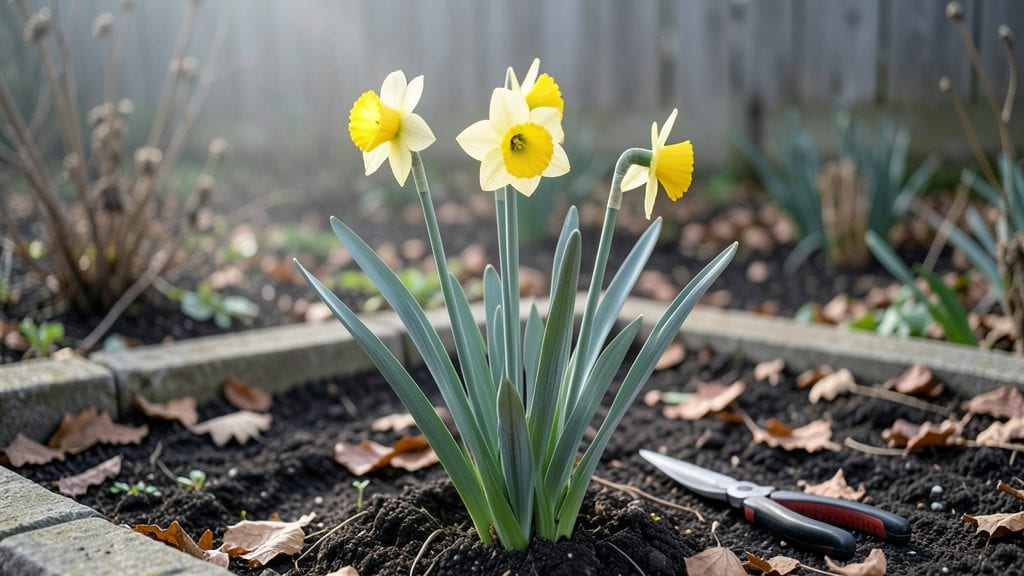
Daffodils transform ordinary gardens into shockingly lush spring canvases that keep coming back year after year. 🌱 I’ve designed beds where their bright trumpets pop against dark evergreens, creating a visual punch that lasts from late winter through early summer.
The key isn’t just planting them—it’s layering them with plants that play off their bold colors and timing.
Start with 3-5 varieties for continuous bloom: early ‘Tête-à-Tête’ (3-4 inches tall) followed by mid-season ‘Ice Follies’ (12-14 inches), then late ‘Thalia’ (18-20 inches). Pair them with hellebores for winter interest, then let hostas or ferns fill in once daffodils fade—no gaps, just seamless transitions.
The secret? Plant daffodils in clumps of 5-7 bulbs for maximum impact without overcrowding.
You’ll end up with a garden that feels like a masterpiece in motion—first the daffodils, then the foliage, then the summer blooms. The scent of fresh growth in March, the way sunlight catches their petals, and the way they naturalize over time creates a scene that feels like magic.
This isn’t just spring color; it’s a year-round story your garden tells.
Works in sun or partial shade, from cottage-style borders to modern minimalist beds. Let’s make your garden the one neighbors stop to admire every spring.
📚 In This Guide
- What you need
- Instructions
- Tips and common mistakes
- Wrapping up and next steps
What you need
- ● Daffodil bulbs: Choose Narcissus varieties (e.g., 'Tête-à-Tête,' 'Ice Follies,' or 'Thalia'). Buy 20–50 bulbs per 10 sq ft for a lush look.
- ● Well-draining soil: Mix in compost or peat moss (1 part to 2 parts garden soil) to improve fertility and drainage.
- ● Organic fertilizer: Use a balanced 10-10-10 or bulb-specific fertilizer (follow package rates).
- ● Mulch: 2–3 inches of shredded bark or straw to retain moisture and regulate soil temperature.
- ● Garden trowel or bulb planter (for precise planting).
- ● Garden fork or spade (to loosen soil).
- ● Measuring tape or ruler (for spacing bulbs 4–6 inches apart).
- ● Watering can or hose with a gentle spray nozzle (daffodils hate soggy soil!).
- ● Gloves (to protect hands from thorns or sharp tools).
- ● Edging tools (to create clean borders for a polished look).
- ● Rocks or decorative stones (for pathways or accents).
- ● Slow-release fertilizer spikes (for low-maintenance nutrition).
- ● Daffodil companion plants (e.g., Allium, Hellebore, or Fritillaria for layered color).
How to design a stunning year-round garden centered on daffodils
Daffodils bring bold color before most perennials wake up—here’s how to weave them into a garden that thrives in every season.
🌱 Step 1: Plan for Daffodil Placement and Companion Plants
Daffodils thrive in full sun to partial shade and naturalize best in well-draining soil with 6-8 hours of sunlight daily. I always group them in drifts of 5-9 bulbs for a natural, lush look—this mimics their wild growth patterns and creates visual impact. Choose a spot where their early spring blooms won’t be overshadowed by taller perennials that emerge later.
Pair them with late-blooming perennials like Russian sage or coneflowers to ensure year-round interest. The key is layering: plant daffodils in the front, mid-height perennials behind, and taller grasses or shrubs at the back. This creates depth and keeps the garden dynamic as seasons change.
🪴 Step 2: Prepare the Soil for Long-Term Success
Daffodils hate soggy soil, so amend heavy clay with 2-3 inches of compost and a handful of coarse sand or perlite to improve drainage. I dig the soil to a depth of 12 inches to loosen it and encourage root expansion. If your soil is sandy, mix in a bit of organic matter like leaf mold to retain moisture without suffocating the bulbs.
Test the pH—daffodils prefer a slightly acidic to neutral range of 6.0-7.0. If your soil is alkaline, add sulfur or peat moss to lower the pH gradually. Avoid fresh manure or high-nitrogen fertilizers, which can burn the bulbs. Instead, use a balanced, slow-release fertilizer at planting time.
☀️ Step 3: Plant Bulbs at the Right Depth and Spacing
Plant daffodil bulbs 6-8 weeks before the first frost, typically in fall. Dig holes 6 inches deep and space bulbs 4-6 inches apart—closer spacing creates a denser carpet of blooms. Place the bulb with the pointed end facing up; this ensures the shoot grows toward the surface. Cover with soil and water deeply to settle everything in place.
I like to add a 1-inch layer of mulch after planting to protect the soil from winter frost and suppress weeds. Use shredded bark or straw, but avoid thick layers that can smother the bulbs. The mulch will break down over time, enriching the soil naturally.
🌿 Step 4: Layer Seasonal Plants for Continuous Interest
While daffodils steal the show in early spring, they fade by late spring—so fill the gaps with plants that bloom later. I tuck in alliums (for mid-spring color) and peony (for summer blooms) around the edges of the daffodil clumps. These perennials have deep roots that won’t compete with the daffodils for nutrients.
Add evergreen shrubs like boxwood or hemlock at the back for winter structure. Their dark foliage contrasts beautifully with daffodil blooms and keeps the garden looking alive even in the coldest months. A few ornamental grasses, like Miscanthus, add movement and texture year-round.
✂️ Step 5: Maintain and Refresh Over Time
Once daffodils finish blooming, leave the foliage in place until it yellows and dies back naturally—this ensures the bulbs store energy for next year. I trim the dead foliage in late summer after it turns brown. Fertilize lightly in early fall with a bulb-specific fertilizer to encourage strong root growth before winter.
Every 3-5 years, divide and replant congested clumps to maintain vigor. Dig up the bulbs in early summer after flowering, separate the offsets, and replant them in fresh soil. This rejuvenates the garden and prevents overcrowding, which can reduce bloom quality.
Tips & tricks for perfect year-round daffodil gardens
Creating a garden that thrives all year with daffodils requires strategic planning—and these insider tips will help you avoid common pitfalls while maximizing impact.
Sunlight Strategy: In Step 1, when selecting your planting location, prioritize spots that receive 6-8 hours of direct sunlight daily. Morning sun is ideal for daffodils as it reduces stress from afternoon heat. If your space only gets partial shade, opt for varieties like 'Ice Follies' or 'Tête-à-Tête' that tolerate lower light better. I've found that even just 4-5 hours of sun can work in cooler climates, but you'll need to space your bulbs slightly farther apart (6-8 inches) to prevent overcrowding as they spread.
Soil Science: The 12-inch deep soil preparation in Step 2 isn't just about drainage—it's about creating a root-friendly environment. I recommend adding a handful of granular sulfur to your compost mix if your soil test shows pH above 7.0. For sandy soils, incorporate 2-3 inches of peat moss along with the compost to improve moisture retention. Pro tip: Test your soil's moisture level after amending—it should feel like a wrung-out sponge, not dry sand or mud.
Planting Precision: When planting those 5-9 bulb drifts in Step 3, use a bulb planter or trowel to create perfectly spaced holes—this prevents overcrowding right from the start. I mark my planting layout with spray paint on a wooden stake before digging, which helps visualize the final look. For slopes or windy areas, plant bulbs on the downhill side of companion plants to prevent them from being buried by soil erosion over time. The 1-inch mulch layer should be applied after the ground freezes to protect newly planted bulbs from temperature fluctuations.
Seasonal Layering: In Step 4, when selecting companion plants, choose varieties with deep taproots like peonies or Russian sage—they won't compete with daffodils for nutrients. I like to add ornamental alliums (like 'Purple Sensation') because their purple blooms echo the daffodil color palette while extending the season. For winter interest, interplant evergreen ferns or Hellebores—their glossy leaves provide texture contrast when daffodil foliage dies back. The key is to maintain at least 12 inches of space between daffodil clumps and taller perennials to prevent shading.
Pro Tips for Gardens With Daffodils
- Creating a garden that thrives all year with daffodils requires strategic planning—and these insider tips will help you avoid common pitfalls while maximizing impact.
- Sunlight Strategy: In Step 1, when selecting your planting location, prioritize spots that receive 6-8 hours of direct sunlight daily.
- Soil Science: The 12-inch deep soil preparation in Step 2 isn't just about drainage—it's about creating a root-friendly environment.
Frequently asked questions
Got questions about creating a stunning garden with daffodils? Here are some of the most common ones—and their answers—to help you plan your bright, cheerful spring display!
When is the best time to plant daffodils for spring blooms?
The ideal time to plant daffodils is in fall, about 6–8 weeks before the ground freezes (typically October–November in most U.S. zones). Planting early gives bulbs time to establish roots before winter, ensuring vibrant blooms the following spring. Avoid planting in summer or early fall—they need cold dormancy to thrive!
Do daffodils come back every year, or do I need to replant them?
Yes! Daffodils are perennial, meaning they’ll return year after year if cared for properly. With good soil, sunlight, and minimal pests, they can bloom for 10+ years. Just avoid overcrowding—they multiply over time, so divide and replant bulbs every 3–5 years to keep them healthy.
Are daffodils deer- or rodent-resistant? Should I still protect them?
Daffodils are deer-resistant thanks to their toxic sap, but squirrels and rodents may still nibble on bulbs. For extra protection, plant bulbs 6+ inches deep or use a wire mesh cage. A light mulch layer can also deter digging pests while keeping soil moist.
Can I plant daffodils in containers or just in ground gardens?
Daffodils thrive in containers, window boxes, or raised beds as long as the pot has drainage holes and is at least 12 inches deep. Use well-draining potting mix and replant bulbs every 2–3 years to refresh nutrients. Containers are perfect for patios, balconies, or even under trees!
Why aren’t my daffodils blooming this year? Troubleshooting tips.
No blooms? Check these common issues:
- Too much shade: Daffodils need 4–6 hours of sunlight daily.
- Over-fertilizing: Too many nitrogen-rich fertilizers = leafy growth, no flowers.
- Improper planting depth: Bulbs planted too shallow may rot; too deep = weak stems.
- Pests/disease: Inspect for slugs, aphids, or fungal spots on leaves.
Give them a balanced fertilizer (low nitrogen) in early spring and adjust sunlight if needed.
Wrapping up and next steps
Transforming your garden into a vibrant haven with daffodils is easier—and more rewarding—than you think! 🌸 These cheerful blooms don’t just bring early spring color; they’re low-maintenance, wildlife-friendly, and packed with personality.
Whether you’re planting a bold border or subtle pockets of yellow, your garden will thank you with year after year of effortless beauty.
Ready to dive in? Start small—pick a sunny spot, grab a few bulbs, and let nature do the rest. Your future self (and pollinators!) will cheer you on. Happy gardening!