Companion Plants
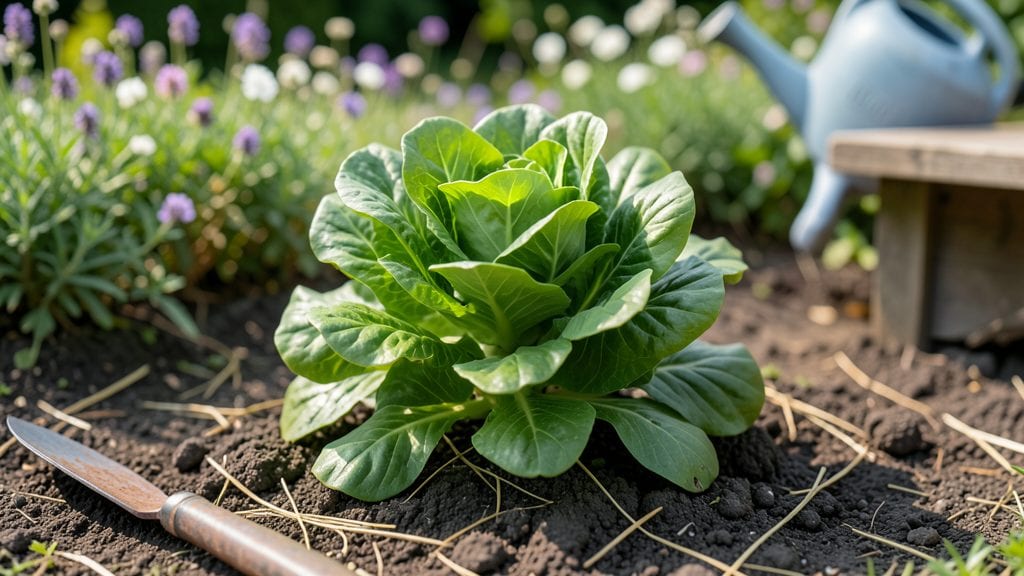
Good little garden plants thrive in small spaces, offering vibrant blooms and lush foliage with minimal care. Try herbs like thyme or basil, compact veggies such as cherry tomatoes, or ornamental picks like dwarf petunias and nasturtiums for instant impact.
If you're working with limited square footage, these space-efficient plants pack a punch without sacrificing beauty or productivity. 🌿 Many of these varieties grow just 12-18 inches tall, making them perfect for windowsills, balcony planters, or even indoor herb gardens.
The key is choosing plants with controlled growth habits—like bush beans or lettuce—that won't sprawl or outcompete each other. I've seen urban gardeners double their harvests by stacking compatible plants vertically, using trellises for peas or cucumbers while keeping the base planted with shallow-rooted herbs.
What sets these small-space champions apart is their adaptability. Most tolerate partial shade and irregular watering better than their larger counterparts, which means less fuss for busy gardeners. For example, thyme and oregano thrive in poor soil and need watering only when the top inch feels dry.
This makes them ideal for beginners or anyone short on time. The secret to success lies in matching plant needs to your specific microclimate—whether that's a sunny windowsill or a shady corner of your patio.
💡 In This Article
- Compact Plants Perfect for Small Gardens
- Tips for Growing Tiny Gardens Like a Pro
Compact plants perfect for small gardens
When selecting plants for tight spaces, focus on varieties with naturally constrained growth patterns. The top performers typically reach 12-24 inches tall and wide, making them ideal for 5-10 gallon containers or small raised beds.
These plants maximize yield through efficient resource use—herbs like thyme and basil have dense foliage that produces flavorful leaves in a 6-inch diameter footprint, while cherry tomatoes can yield 50-100 fruits per plant when pruned properly.
The science behind their compactness often involves genetic dwarfing or bush varieties that allocate energy to fruit/leaves rather than vines.
Light requirements vary dramatically among these space-savers. Sun-lovers like dwarf marigolds (mature height: 8-12 inches) need 6-8 hours of direct sunlight daily, while shade-tolerant Swiss chard ('Bright Lights' variety) thrives with just 4-6 hours and produces colorful stems in 12-inch pots.
Soil preferences are equally specific: Nasturtiums (edible flowers) prefer slightly acidic soil (pH 5.5-6.5) and bloom prolifically in 6-inch containers, while bush beans need well-draining soil with 2-3 inches of compost mixed in to support their nitrogen-fixing roots.
Watering needs create the biggest management challenge in small gardens. Succulent herbs like rosemary need watering only when the top 1 inch of soil feels dry, while lettuce requires consistent moisture to prevent bolting. The trick is using self-watering containers with 1-2 gallon capacity that maintain even moisture levels.
For example, a 10-inch pot can comfortably grow one basil plant or three thyme plants when spaced 3 inches apart, with watering every 2-3 days in summer.
What most gardeners overlook is the vertical potential of compact plants. Dwarf sunflowers ('Teddy Bear' variety) grow just 18-24 inches tall but produce 4-inch blooms perfect for cutting. When paired with climbing nasturtiums (which trail 3-5 feet), you create a living tapestry in a 5-gallon hanging basket.
The key is selecting varieties bred for containers—regular sunflowers would dwarf this setup completely.
Here's what actually happens when you combine the right plants: Companion planting between bush beans (nitrogen-fixers) and lettuce (shade-tolerant) creates a mutually beneficial system. The beans' foliage shades lettuce roots, reducing moisture loss, while the beans' roots improve soil structure.
In a 12-inch square plot, you can grow 4 bean plants and 9 lettuce plants simultaneously, with the beans reaching 18 inches tall and lettuce staying under 8 inches.
The most underrated compact plant is dwarf eggplant ('Fairy Tale' variety), which produces 4-6 inch fruits on 24-inch plants. These thrive in 15-gallon containers with 1-2 plants per container, needing full sun and regular feeding with balanced fertilizer (10-10-10).
The surprise comes when you harvest: each plant yields 6-8 eggplants in a single season—far more than most gardeners expect from such a small footprint.
Remember this rule: Root depth matters more than pot size. Most compact vegetables need at least 6-8 inches of soil depth to develop properly. A 6-inch pot might work for herbs but will stunt carrots or radishes.
The solution? Use deep containers (12+ inches) for root crops and shallower ones (6-8 inches) for leafy greens and herbs. 🌱