Advice
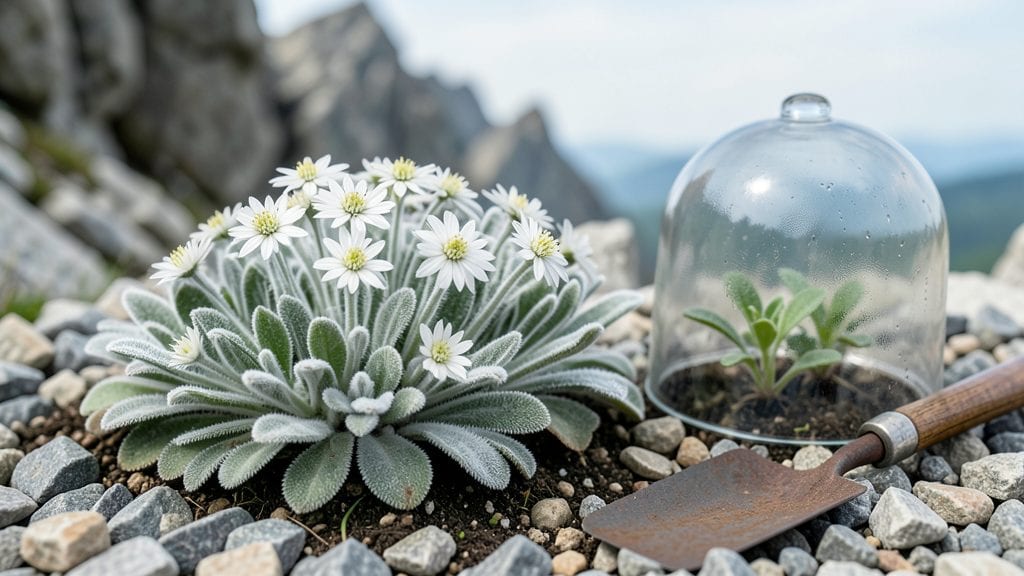
High-altitude gardening at elevations above 2,500 feet isn’t about fighting the climate—it’s about working with the thin air’s unique advantages. 🌿 I’ve grown potatoes that outyielded flatland neighbors and alpine flowers that thrive where others wilt, and the secret lies in smart soil prep, patient plant choices, and embracing the shorter season as a strength.
The key isn’t forcing growth; it’s helping plants grow smarter in cooler, drier conditions.
You’ll need soil that holds moisture like a sponge—think compost-rich mixes with organic matter—and plants bred for resilience, like hardy barley, Andean potatoes, or cold-tolerant kale.
The growing season shrinks, so timing becomes everything: start cool-season crops early, protect tender plants from late frosts, and let perennials build strength over years. My first lesson? Thin air means slower growth, but it also means fewer pests and diseases.
By summer’s end, you’ll harvest crops that taste sweeter and last longer because they mature in cooler temperatures. The soil stays fertile year after year, and you’ll discover plants that flatland catalogs don’t even list.
This isn’t about struggling—it’s about thriving on the mountain’s own terms. Let’s get to the soil prep that makes it possible.
Whether you’re at 5,000 feet or just above 3,000, the same principles apply: adjust your schedule, protect your plants, and choose wisely. The payoff? Gardens that outperform lowland plots in flavor, hardiness, and beauty—proving thin air can be your greatest ally.
📚 In This Guide
- What you need
- Instructions
- Tips and common mistakes
- Wrapping up and next steps
What you need
- ● Soil: High-quality well-draining potting mix (10-20 bags, depending on garden size). Look for blends labeled for mountain or alpine gardens.
- ● Compost (5-10 gallons) – Boosts nutrients in nutrient-poor soil.
- ● Perlite or vermiculite (2-5 bags) – Improves aeration and water retention.
- ● Containers: Large grow bags or raised beds (10+ gallons each, with drainage holes).
- ○ Fabric pots (optional but ideal for high-altitude root health).
- ● Watering Supplies: Drip irrigation kit or soaker hoses (to prevent water loss from wind/dry air).
- ● Water storage jugs (5+ gallons) – High-altitude sun evaporates moisture fast!
- ● Plant Selections: Cold-hardy, alpine, or high-altitude native plants (e.g., hardy herbs like thyme or rosemary, edibles like potatoes or kale, and flowers like penstemon).
- ● Avoid tropical plants—they’ll wilt faster in thin air!
- ● Basic Tools: Trowel, pruners, and gloves (for handling rocky or uneven terrain).
- ● pH testing kit (aim for 6.0–7.0; high-altitude soil is often alkaline).
- ● Shelter & Protection: Windbreaks (burlap screens or straw bales) – Critical for fragile seedlings.
- ● Row covers or cloches (to trap heat and moisture).
- ● Prerequisites: Sunlight access (6+ hours/day; high-altitude sun is intense!).
- ● Elevation awareness (adjust planting times—thin air means faster germination!).
- ● Patience! High-altitude gardens grow slower but reward you with hardy, resilient plants. 🌟
- ● Slow-release fertilizer (for nutrient-poor soil).
- ● Mulch (straw or wood chips) – Retains moisture and regulates temperature.
- ● Garden journal – Track plant progress and adjust techniques.
- ● Portable shade cloth – Protects plants from harsh afternoon sun.
Step-by-Step guide to high altitude gardening success
Here’s how to grow strong, healthy plants when thin air makes everything harder.
🌱 Step 1: Choose the Right Plants for Your Elevation
High altitude gardens thrive with plants adapted to cooler temps and shorter growing seasons. Stick to cold-hardy varieties like potatoes, kale, and peas—these handle the thinner air and lower oxygen better than heat-lovers. I always check the USDA Plant Hardiness Zone map for my area (mine’s Zone 5) and pick varieties labeled for high elevations.
If you’re unsure, start with cool-season crops—they germinate faster in the crisp air and tolerate frost better. Avoid tropical plants like tomatoes or peppers unless you’re below 5,000 feet; they struggle to set fruit in the shorter daylight hours and lower humidity. Your local extension office can recommend region-specific winners.
☀️ Step 2: Extend the Growing Season Strategically
High altitude gardens have shorter growing seasons, so I use row covers, cold frames, and black plastic mulch to warm the soil early. Lay down the black plastic mulch 2-3 weeks before planting to raise soil temps by 10-15°F—this jumpstarts germination. For late-season crops, row covers add 2-4 extra weeks of protection from frost.
Plant early maturing varieties (look for “early harvest” labels) to beat the first frost. I always sow hardy peas and spinach in early spring—these tolerate 32°F soil temps—while waiting for the ground to warm for heat-lovers like beans. A soil thermometer helps track progress; aim for 50°F before planting warm-season crops.
💧 Step 3: Water Deeply and Frequently to Combat Dry Air
Thin air means higher evaporation rates, so I water deeply and less often—this encourages roots to grow downward where moisture lingers. Use drip irrigation or soaker hoses to deliver water slowly at the base; overhead watering wastes precious moisture. I check soil moisture by digging 2 inches down—if it’s dry, it’s time to water.
Mulch heavily with straw or wood chips to lock in moisture and regulate soil temps. A 3-4 inch layer reduces watering needs by 30-50%. Avoid wetting foliage, especially in the evening—this invites fungal diseases like powdery mildew, which thrives in the cooler, damp conditions of high-altitude gardens.
🪴 Step 4: Amend Soil for Better Nutrient Uptake
High-altitude soils often lack organic matter, so I mix in compost and aged manure before planting to boost fertility. Aim for 2-3 inches of compost worked into the top 6 inches of soil. This improves water retention and adds microorganisms that help roots absorb nutrients in the low-oxygen environment.
Add a slow-release fertilizer at planting time—high-altitude plants grow slower, so they need steady nutrition. I use a balanced 10-10-10 formula for most veggies, but nitrogen-heavy (20-10-10) works better for leafy greens like lettuce and kale. Avoid over-fertilizing; thin, leggy growth is a red flag in high-altitude gardens.
✂️ Step 5: Protect Plants from Wind and Hail
High elevations mean stronger winds and hail, so I use windbreaks and trellises to shield delicate plants. Plant tall crops like corn or sunflowers on the windward side of the garden—they act as natural barriers. For smaller plants, wire cages or stakes keep them upright and reduce wind damage.
Hail is the real menace, so I cover fragile crops like squash and tomatoes with floating row covers or lightweight fabric when storms roll in. Even a quarter-inch hail can ruin a plant’s leaves, setting it back weeks. Keep an eye on the NOAA weather radar and act fast—10 minutes of cover can save a season’s work.
Tips & tricks for perfect high altitude gardening
High altitude gardening comes with unique challenges, but these practical tips will help you overcome them and grow a thriving garden.
Soil Temperature is Critical: In Step 2, those 32°F and 50°F soil temperatures are non-negotiable for success. Use a soil thermometer to monitor progress—especially when waiting for warm-season crops like beans. I’ve learned the hard way that planting too early when soil is still cool leads to stunted growth. For extra warmth, lay down black plastic mulch 2-3 weeks before planting to raise temperatures by 10-15°F. This jumpstart is particularly important in high-altitude areas where spring comes later.
Watering Strategy Matters: The deep watering technique in Step 3 is crucial because thin air increases evaporation rates by up to 30%. When checking soil moisture by digging 2 inches down, look for dryness at that depth—not just surface moisture. I’ve found that watering in the early morning (before 10 AM) minimizes evaporation and gives plants time to absorb moisture before the sun intensifies. For container gardens, use self-watering pots with 3-4 inch mulch layers to maintain consistent moisture levels.
Fertilizer Timing Makes a Difference: In Step 4, that 10-10-10 balanced fertilizer recommendation is perfect for most vegetables, but I’ve noticed high-altitude plants often need a little extra phosphorus for root development. Apply your fertilizer at planting time and again 6 weeks later—this two-step approach provides steady nutrition that high-altitude plants crave. For leafy greens, the 20-10-10 nitrogen-heavy formula helps prevent that thin, leggy growth that’s so common at higher elevations. Always water thoroughly after applying fertilizer to prevent root burn.
Hail Protection is Non-Negotiable: The 10 minutes of cover mentioned in Step 5 can literally save your garden during hail storms. I’ve seen quarter-inch hailstones completely destroy tender plants in minutes. Set up a weather alert system on your phone and keep lightweight row covers ready to deploy. For particularly vulnerable crops like squash, I’ve started using wire hoop tunnels covered with heavy-duty fabric—they provide protection from both hail and wind while still allowing sunlight and air circulation.
Pro Tips for High Altitude Gardening
- High altitude gardening comes with unique challenges, but these practical tips will help you overcome them and grow a thriving garden.
- Soil Temperature is Critical: In Step 2, those 32°F and 50°F soil temperatures are non-negotiable for success.
- Watering Strategy Matters: The deep watering technique in Step 3 is crucial because thin air increases evaporation rates by up to 30%.
Frequently asked questions
Got questions about conquering high-altitude gardening? You’re not alone! Here are some of the most common concerns—and their solutions—to help you grow lush plants even when the air is thin.
What are the biggest challenges of gardening at high altitudes?
Thin air, colder temps, and shorter growing seasons make high-altitude gardening tricky. Key hurdles: slower plant growth, frost risks, and limited sunlight during winter. But don’t worry—choosing cold-hardy varieties, extending the season with row covers, and amending soil with compost can level the playing field!
How do I adjust my planting schedule for high-altitude gardening?
Start seeds 4–6 weeks earlier indoors (or use a greenhouse) to account for cooler soil temps. In zones 5–7, wait until after the last frost (usually late May–June) to transplant outdoors. For high-altitude zones (7,000+ ft), push planting dates back 2–3 weeks to avoid early frosts.
Can I grow vegetables at high altitudes, or should I stick to flowers?
Focus on cold-tolerant crops like potatoes, kale, carrots, and peas. For heat-loving veggies (tomatoes, peppers), opt for shorter-season varieties or grow them in containers near your home for warmth. Herbs like thyme and oregano thrive too—they’re tough and aromatic!
Why are my high-altitude plants struggling, even with extra care?
Common culprits: poor drainage (altitude soil drains faster), nutrient deficiencies (cold slows decomposition), or over/under-watering (windy conditions dry soil quickly). Troubleshoot by testing soil pH, mulching heavily, and watering deeply early in the day to reduce evaporation.
Are there any high-altitude gardening hacks I should know?
- Black plastic mulch warms soil faster than bare earth.
- Use cloche tunnels or cold frames to extend spring/fall harvests.
- Group plants in windbreaks (like shrubs or fences) to protect them.
- Try container gardening for flexibility—move pots closer to your home for warmth.
Pro tip: Monitor your microclimate! Temps can vary wildly in mountainous areas, so keep a garden journal to track what works best in your specific spot.
Wrapping up and next steps
High-altitude gardening isn’t just possible—it’s a rewarding adventure that connects you to the land in a unique way.
By choosing the right plants, adapting your soil, and embracing the challenges of thin air, you can grow a thriving garden even at elevations where others might struggle. Start small, experiment with hardy varieties, and let your curiosity guide you!
Ready to take the next step? Pick one plant from this guide and give it a try this season. Share your progress, ask questions, and join the growing community of high-altitude gardeners—your green thumb might just surprise you! 🌱