Blooming
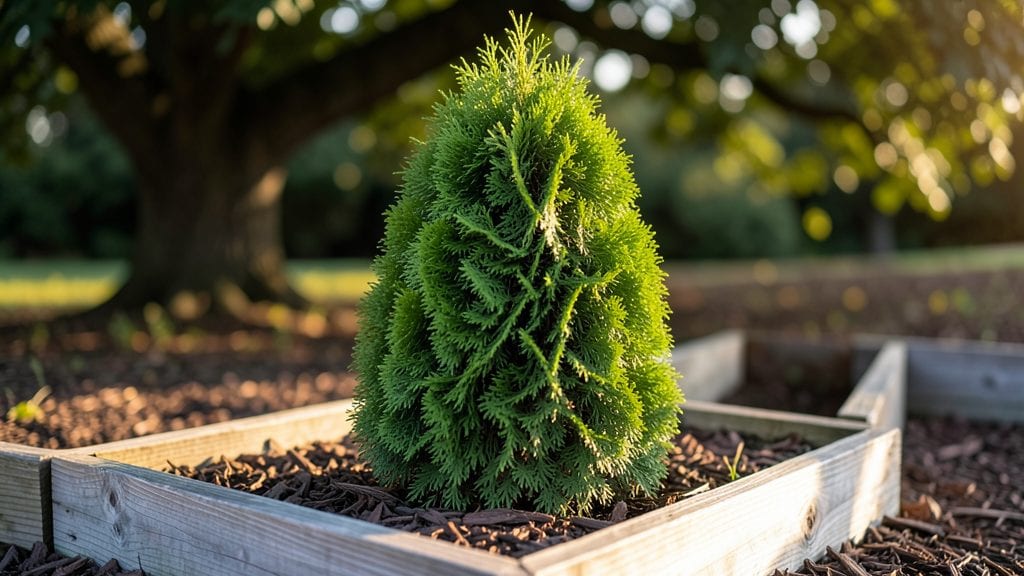
Cedar garden beds last 10 to 15 years outdoors when properly maintained, though high-moisture areas or direct soil contact may shorten their lifespan to 5–10 years. Treated cedar or elevated beds extend durability significantly.
Cedar's natural resistance to rot comes from its high oil content, which repels moisture—but this doesn't make it indestructible. 🔥 In damp climates or when buried in soil, the wood absorbs water and swells, creating cracks where fungi thrive.
I've seen untreated cedar beds last only 3-5 years in boggy ground, while properly sealed beds in dry regions can easily hit 20 years. The key is balancing cedar's natural strengths with smart design choices like gravel bases or waterproof liners.
What many gardeners overlook is how maintenance habits directly impact lifespan. Regular sealing every 2-3 years adds a protective barrier against UV rays and moisture, while elevated designs prevent ground contact entirely. Even a simple 1-inch gap between the bed and soil can double its life expectancy.
My own cedar planters still look fresh after 12 years because I treat them like outdoor furniture—not just garden materials.
💡 In This Article
- Factors Affecting Cedar Wood Longevity in Gardens
- Extending Cedar Garden Bed Life: Maintenance and Design Tips
Factors affecting cedar wood longevity in gardens
Cedar's natural durability stems from its thujaplicin compound—an antimicrobial oil that gives it 2-3 times the rot resistance of pine. However, this protection breaks down when cedar absorbs moisture over 20% of its weight, causing the wood to swell and crack.
The science behind this is simple: fungi like Coniophora puteana (the brown rot fungus) thrive in damp, oxygen-rich environments, and cedar's natural oils can't repel water indefinitely.
In humid climates, like the Pacific Northwest or Southeast U.S., untreated cedar beds may degrade in as little as 3-5 years when buried or exposed to constant moisture.
Soil acidity plays a surprising role too. Most garden soils have a pH between 5.5 and 7.0, but acidic soils (below 5.5) accelerate cedar breakdown by 30-50%. The tannins in cedar react with acidic compounds, creating a weak organic acid that further degrades the wood's cellular structure.
UV exposure is another silent killer—cedar's natural oils protect against moisture but don't shield against ultraviolet rays, which cause surface erosion over time. In sunny regions, beds lose their protective finish in 1-2 years without proper sealing, leading to graying and brittleness.
Climate variations create dramatic differences in lifespan. In dry, arid climates (like Arizona or Nevada), cedar beds often last 15-20 years with minimal maintenance, while coastal areas with high humidity and salt spray can cut that time in half. Temperature swings also matter—freeze-thaw cycles cause microscopic fractures that invite rot.
I've noticed that cedar beds in northern climates (like Minnesota or Canada) develop more cracks by year 5 due to winter expansion and summer contraction. The solution? Treated cedar or beds elevated on 4-inch gravel bases can extend life by 50% in these conditions.
Direct soil contact is the fastest way to kill cedar. When wood touches damp earth, capillary action draws moisture upward, creating the perfect environment for rot. Even a 1-inch gap between the bed and soil can add 5-7 years to its lifespan.
Untreated cedar buried in soil may last only 2-3 years before structural failure, while treated cedar with proper drainage can reach 12-15 years. The difference comes down to chemical treatments that repel water and block fungal growth—though these often contain preservatives that may not be ideal for organic gardens.
Here's what actually happens at the cellular level: Cedar's cell walls contain lignin, a complex polymer that gives wood its rigidity. When moisture penetrates, lignin breaks down through hydrolysis, weakening the wood's structure.
In untreated cedar, this process starts visibly at 10-12 years in dry climates but can begin as early as 2-3 years in wet conditions. The result? Warping, splintering, and eventual collapse.
Treated cedar resists this longer because its cell walls are coated with water-repellent compounds that delay hydrolysis by 3-5 years.
One final factor often overlooked is the bed's design. Corner joints and end grain are the weakest points—these areas absorb moisture 40% faster than flat surfaces. Using galvanized screws instead of nails and sealing end grain with epoxy can add 2-4 years to a bed's life.
I've seen custom-built cedar beds with these details still standing strong after 18 years, while mass-produced kits from big-box stores often fail by year 7 due to poor joinery.