Light Requirements
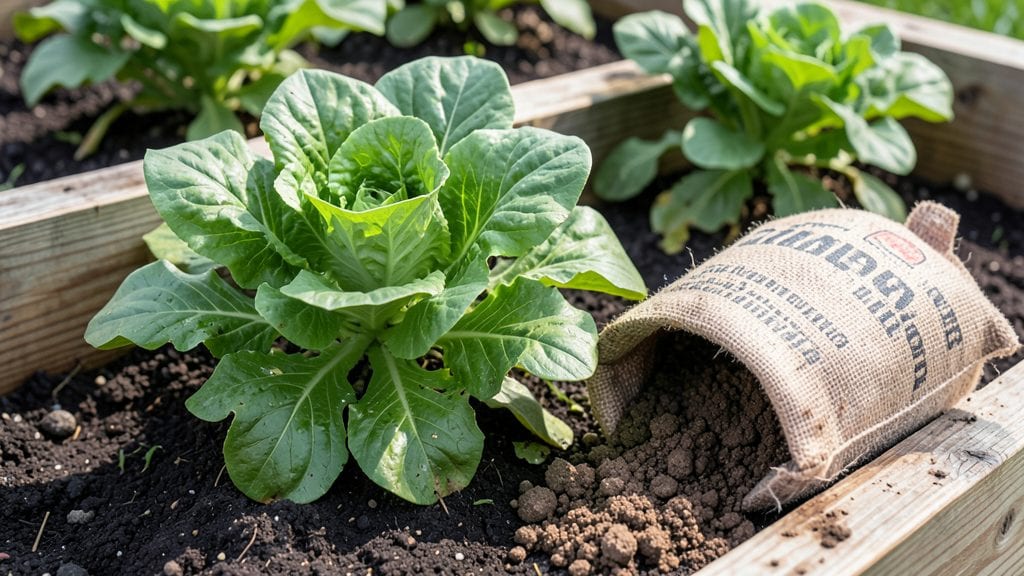
To determine how much cow manure for garden use, apply 1-2 inches of well-aged compost per square foot for general planting, increasing to 2-3 inches for heavy feeders like tomatoes or corn. Always compost fresh manure first to prevent plant burn and pathogen risks.
Cow manure's nutrient value varies based on aging—fresh manure contains high nitrogen but risks burning plants, while composted manure (6+ months) provides balanced nutrition. 🌱 For example, leafy greens like spinach thrive with 1 inch of composted manure, while nitrogen-heavy crops such as corn benefit from deeper applications.
The key is testing your soil first: most garden soils need 2-3 inches of composted manure annually, but sandy soils may require more frequent top-ups.
Timing matters too—spring applications work well for cool-season crops, while fall spreading lets nutrients break down over winter. I always recommend mixing manure into the top 6 inches of soil rather than leaving it on the surface, which prevents nutrient loss and reduces odor.
For container gardens, use a 1:3 ratio of composted manure to potting mix, and avoid overdoing it—too much can lead to salt buildup.
💡 In This Article
- Cow Manure Nutrient Breakdown and Plant Needs
- Step-by-Step Guide to Applying Cow Manure Safely
Cow manure nutrient breakdown and plant needs
Cow manure typically contains an NPK ratio of about 1-0.5-0.5 (nitrogen-phosphorus-potassium) when fresh, but this varies widely based on diet and management. The nitrogen content comes primarily from urea and ammonia, which are highly volatile and can be lost if not properly composted.
Phosphorus and potassium are more stable but still benefit from aging. For example, a typical batch of composted cow manure might test around 0.5-1.0-0.5 NPK after 6-12 months of composting, making it a balanced organic fertilizer.
Here's what's actually happening during composting: microbial activity breaks down complex organic matter into simpler compounds, converting unstable ammonia into more stable organic nitrogen forms.
This process also increases the availability of phosphorus and potassium while reducing salt concentrations that could harm plant roots. 🌱 The texture changes too—fresh manure is coarse and crumbly, while composted manure becomes darker, finer, and more homogenous, resembling rich garden soil.
This transformation makes nutrients more accessible to plants over time rather than causing an immediate chemical burn.
The key factor for plant needs is understanding how different crops utilize these nutrients. Leafy greens like lettuce and spinach are nitrogen-lovers, so they benefit from lighter applications (1 inch) of composted manure spread over 2-3 square feet.
Root crops like carrots and beets need phosphorus for root development, so you might want to apply 1.5 inches of composted manure per square foot. Heavy feeders like tomatoes and corn require even more—2-3 inches per square foot—because they're voracious nitrogen consumers during their growing season.
Soil pH plays a critical role in nutrient availability. Cow manure is slightly alkaline (pH 7.5-8.5), which can raise soil pH over time.
Most vegetables prefer a slightly acidic to neutral range (pH 6.0-7.0), so you may need to amend with sulfur or peat moss if your soil becomes too alkaline.
The organic matter from composted manure also improves soil structure by increasing water retention and aeration—sandy soils benefit most from these improvements, while clay soils see better drainage. For container gardens, mix 20-30% composted manure into your potting mix to provide steady nutrition without risking salt buildup.
What most people don't realize is how the carbon-to-nitrogen (C:N) ratio affects plant response. Fresh cow manure has a C:N ratio of about 20:1 to 30:1, which is ideal for composting but can cause nitrogen burnout if applied directly.
When properly composted (C:N ratio of 15:1 or lower), the manure becomes a complete fertilizer that supports microbial life in the soil. This microbial activity then creates a symbiotic relationship with plant roots, enhancing nutrient uptake. The result? Healthier plants with stronger resistance to pests and diseases.
For maximum benefits, consider testing your soil before applying manure. Many gardeners find their soil already has sufficient phosphorus and potassium but needs more nitrogen.
In this case, you might apply 1 inch of composted manure per square foot in early spring, then supplement with nitrogen-rich amendments like blood meal or fish emulsion later in the season.
The goal is to match the manure's nutrient profile with your plants' specific needs rather than applying it uniformly.