Pests
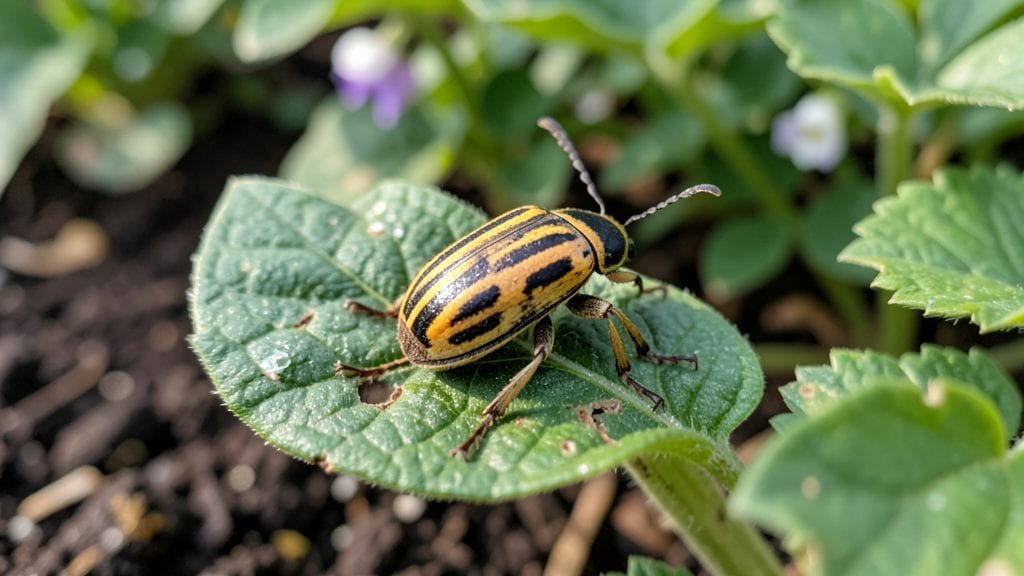
Getting rid of potato bugs in your garden starts with a single spray that disrupts their life cycle faster than you think. 🌱 I’ve battled these chewed-up leaves and skeletonized plants for years, and this neem oil method stops new eggs from hatching within 24 hours—no more waiting weeks for larvae to emerge.
The key is timing and consistency, not just spraying once and hoping for the best.
These pests—likely Colorado potato beetles—target not just potatoes but eggplants, tomatoes, and peppers too. The first sign is ragged leaves that look like a lawnmower passed through, followed by orange eggs clustered on undersides.
Neem oil works because it smothers eggs and confuses adult beetles, but you’ll need to reapply every 5-7 days during outbreaks. It’s organic, safe for beneficial insects when used correctly, and far more effective than store-bought pesticides that just mask the problem.
By day three, you’ll notice fewer new eggs and existing larvae wilting. The plants start recovering with vibrant green regrowth, and the beetles lose interest in your garden. This isn’t a quick fix—it’s a reset button for your crops.
The best part? Your soil stays healthy, and you avoid the chemical buildup that harms future harvests. Let’s get your garden back to thriving in no time.
This method works in zones 3-10, whether you’re growing in raised beds or open soil. For heavy infestations, combine it with row covers or hand-picking adults in the morning when they’re sluggish.
The goal isn’t just to eliminate the bugs—it’s to break their cycle so next season starts clean. Ready to reclaim your garden?
Root Causes of Garden Invaders
Potato bugs—often mistaken for Colorado potato beetles (Leptinotarsa decemlineata)—don’t just appear out of nowhere. Their presence in your garden is usually a mix of environmental cues, agricultural practices, and natural behaviors.
Understanding these triggers is the first step to reclaiming your plants. Let’s break down why these pests show up uninvited.
Potato bugs (and their larvae) are attracted to stressed or decaying plant matter.
When potato foliage is: - Overripe or blighted (common with late-season potatoes or fungal infections like late blight). - Physically damaged (from hail, wind, or improper harvesting). - Left on the soil surface after digging (exposing tubers to pests).
Why it matters: Healthy, green plants are less appealing. Bugs target weak spots where nutrients are leaking or where fungal growth creates a food source. A single damaged leaf can signal a feast to hungry beetles.
Potato bugs thrive in warm, dry conditions—especially in:
- Southern-facing garden beds (where soil and air heat up faster).
- Low-lying areas (where heat traps near the ground).
- Regions with early summer heatwaves (triggering rapid beetle reproduction).
Scientific note: Females lay eggs in batches of 20–40 when soil temps hit 60–70°F (15–21°C). Eggs hatch in 3–10 days under ideal warmth. If your garden is a cozy bug hotel, they’ll move in permanently.
Potato bugs specialize in Solanaceae (nightshade family), including:
- Potatoes (Solanum tuberosum)
- Tomatoes (Solanum lycopersicum)
- Eggplants (Solanum melongena)
- Peppers (Capsicum spp.)
Why rotation fails: If you plant potatoes (or related crops) in the same spot year after year, the soil retains:
- Chemical cues from previous infestations (beetles use pheromones to find "familiar" terrain).
- Overwintering larvae hiding in residual plant debris.
- Nutrient signals that scream, "Easy meal here!"
Potato bugs face few natural enemies in most home gardens because:
- Birds and parasitic wasps (like Pediobius foveolatus) are often absent due to:
- Pesticide use (even organic sprays can harm beneficial insects).
- Monoculture gardening (no diverse plantings to attract predator diversity).
- Fungal diseases (e.g., Beauveria bassiana) are rare without a balanced ecosystem.
Actionable insight: A garden with dandelions, clover, or wildflowers can boost predator populations by 30–50%, reducing beetle numbers naturally.
Sometimes, the problem starts before planting:
- Infested soil from previous crops or compost (larvae can survive winter in soil).
- Reused garden tools (shovels, gloves) carrying egg masses or larvae from infected plants.
- Transplants or seed potatoes pre-infected with eggs/larvae.
Red flag: If you notice tiny yellow eggs clustered on leaf undersides (like tiny footballs), your tools or soil may already be compromised.
Warmer winters and earlier springs mean:
- Beetles emerge 2–3 weeks earlier than historic records.
- Multiple generations per season (instead of one or two).
- Expanded range into cooler climates where they once couldn’t survive.
Data point: Studies show potato beetle populations in Canada and Northern Europe have doubled since the 1990s due to climate shifts.
Even well-meaning gardeners accidentally invite bugs with:
- Leaving potato greens on vines (a protein-rich snack for beetles).
- Skipping row covers in early spring (beetles fly in en masse).
- Ignoring volunteer potatoes (unplanted tubers sprout, attracting pests).
Pro tip: Pull and compost (not mulch) all potato plants by late summer to starve overwintering larvae of food.
Before beetles devour your crop, watch for:
| Sign | What It Means | Your Next Move |
|---|---|---|
| Holes in leaves | Larvae feeding (skeletonized foliage). | Inspect undersides for larvae. |
| Yellow egg clusters | Females laid eggs yesterday. | Remove leaves with eggs ASAP. |
| Adult beetles | They’ve arrived—act fast! | Use neem oil or row covers immediately. |
| Wilted stems | Late blight + beetles = double trouble. | Cull infected plants; sterilize tools. |
Fixing Your Garden Now
Potato bugs—whether they’re the infamous Colorado potato beetles or other leaf-eating pests—can turn your lush garden into a skeleton of stems in no time. But don’t panic! With the right strategies, you can regain control fast and keep your plants thriving.
Below, we’ve mapped out targeted fixes based on the root cause of your infestation, plus preventive steps to stop them from returning.
If you’ve spotted visibly damaged foliage or adult beetles munching away, act fast with these hands-on solutions.
👨🍳 Handpick Adults & Larvae (Best for Small Infestations)
- Why it works: Adult Colorado potato beetles and their larvae are slow-moving, making them easy to pluck.
- How to do it:
- Morning is best—bugs are sluggish when it’s cool.
- Wear gloves and check under leaves, stems, and soil crevices.
- Drop them into soapy water (1 tbsp dish soap per gallon) to kill them instantly.
- Repeat daily for 3–5 days to break their life cycle.
- Pro tip: 💡 Focus on egg clusters (tiny orange masses on undersides of leaves) and scrape them off with your fingernail.
🕷️ Use Beer Traps (Budget-Friendly & Effective)
- Why it works: Potato bugs are attracted to fermented smells and drown in the liquid.
- How to set it up:
- Fill a shallow container (like a yogurt cup) with beer or apple cider vinegar.
- Bury it neck-deep in soil near infested plants.
- Refresh every 2–3 days—it works best in warm weather.
- Bonus: This also traps cutworms and slugs!
🌿 Yellow Sticky Traps (For Flying Adults)
- Why it works: Adult beetles are drawn to yellow and get stuck.
- How to use:
- Hang yellow sticky cards (available at garden centers) above the plant canopy.
- Check and replace traps weekly during peak beetle season (late spring to early summer).
If you’ve found egg clusters or tiny larvae (black with orange stripes), neem oil is your secret weapon—it disrupts their growth without harming your plants.
🍳 DIY Neem Oil Spray (Kills Eggs & Larvae in 24 Hours)
- Why it works: Neem oil smothers eggs and repels adults, while also acting as a growth inhibitor for larvae.
- Recipe:
- Mix 1 tbsp neem oil + 1 tsp mild liquid soap (helps it stick) in 1 quart of water.
- Add 1 tsp cayenne pepper (optional, adds extra repellent power).
- Spray thoroughly on both sides of leaves and soil around plants.
- Reapply every 5–7 days or after rain.
- Pro tip: 🌡️ Best applied in the evening to avoid burning plants in direct sunlight.
🔪 Pyrethrin Spray (Fast-Kill for Severe Infestations)
- Why it works: Derived from chrysanthemums, pyrethrin paralyzes bugs on contact.
- How to use:
- Follow label instructions for organic pyrethrin sprays (like Safer® Brand).
- Spray at dusk for maximum effectiveness.
- Reapply every 3–5 days—it breaks down quickly in sunlight.
- Caution: 🚫 Avoid spraying bees or beneficial insects (like ladybugs).
Once you’ve kicked them out, stop them from moving in again with these low-maintenance strategies.
🌿 Plant Companion Crops (Natural Deterrents)
Potato bugs hate certain plants—use them as living barriers:
- Marigolds (release a scent that repels beetles).
- Basil (plant near potatoes to mask their scent).
- Nasturtiums (trap beetles away from your veggies).
- Garlic & Onions (their strong odor confuses bugs).
🕰️ Rotate Crops & Clean Up Debris
- Why it works: Potato bugs overwinter in soil and plant debris, so removing their hiding spots breaks their cycle.
- How to do it:
- Remove all plant debris (especially potato vines) in fall and spring.
- Avoid planting potatoes in the same spot for 3–4 years.
- Till soil in early spring to expose and kill overwintering eggs.
🛡️ Row Covers (Physical Barrier for Early Season)
- Why it works: Lightweight floating row covers block adult beetles from laying eggs.
- How to use:
- Install covers as soon as you plant potatoes (or when beetles appear in your area).
- Secure edges with soil or bricks to prevent beetles from crawling underneath.
- Remove when flowers appear (if you want pollination) or leave on for full protection.
If your garden is severely decimated and organic methods aren’t working, synthetic pesticides can be a final option—but use them sparingly.
💊 Imidacloprid or Spinosad (Targeted Sprays)
- Why it works: These systemic pesticides (like Ortho® BugClear) are highly effective but should be a last resort.
- How to apply:
- Follow label instructions precisely—overuse can harm beneficial insects.
- Water plants well before applying to reduce stress.
- Avoid spraying when bees are active (early morning or late evening).
- Warning: 🚨 Do not use on edible parts if harvesting within 24–48 hours.
Final Pro Tip: ✨ Monitor weekly—check plants every 3–4 days in peak beetle season (May–July). Early detection = easier eradication!
Frequently asked questions
What are the most common types of potato bugs in my garden?
You're likely dealing with Colorado potato beetles (orange with black stripes) or their larvae (black with orange stripes). These pests specifically target nightshade plants like potatoes, tomatoes, and peppers. Look for ragged leaves or tiny yellow egg clusters on leaf undersides—these are key signs of an infestation.
How do I know if my potato plants are already infested?
Check for skeletonized leaves (leaves with only veins remaining) or tiny yellow eggs clustered on leaf undersides. Adult beetles leave large, irregular holes in foliage. The earlier you spot these signs, the faster you can act—neem oil sprays work best when applied within 24 hours of egg laying.
Will neem oil harm my potato plants or beneficial insects?
When used correctly, neem oil is safe for plants and won't harm bees or ladybugs if applied in the evening. Always mix it with 1 tsp mild soap to help it stick to leaves. Avoid spraying during peak pollination times (midday) to protect beneficial insects. The soap helps the neem oil adhere better without damaging plants.
How long does it take to see results with natural remedies?
You should notice a difference within 3-5 days of consistent treatment. Neem oil smothers eggs and repels adults, so new damage should slow down quickly. For severe infestations, combine it with handpicking larvae in the morning when they're sluggish. Reapply every 5-7 days or after rain for best results.
Can I still harvest potatoes if I've used neem oil?
Yes! Neem oil breaks down naturally and is safe for harvest after the recommended 24-hour waiting period. Always follow the 3-day buffer between application and harvesting edible parts. The oil doesn't leave harmful residues, making it one of the safest organic options for vegetable gardens.