Container Gardens
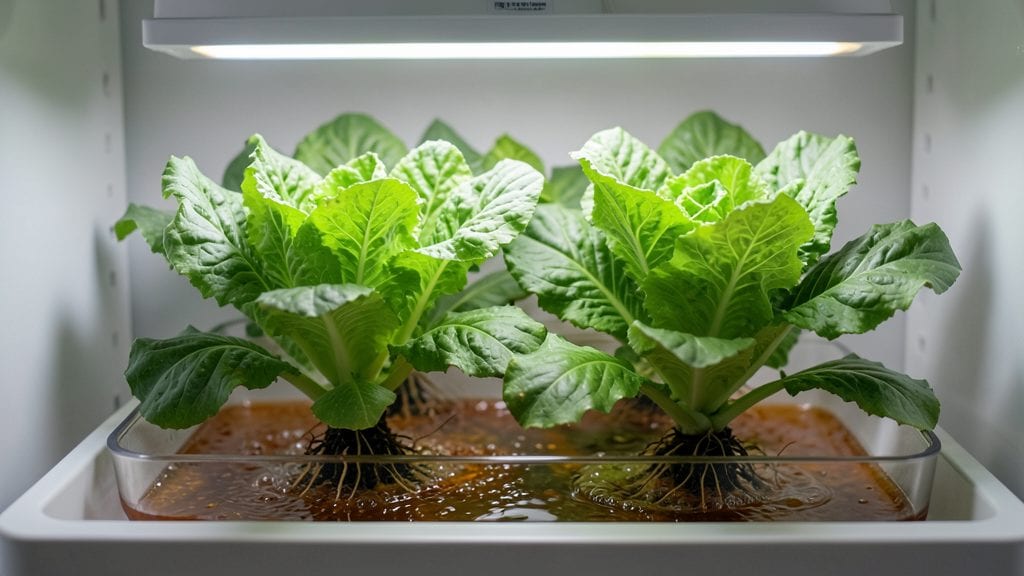
Indoor gardening hydroponics transformed my leafy greens from weeks of waiting to just 10-14 days—no soil, no mess, and no excuses for small spaces. 🌱 I tried it after my windowsill herbs kept getting root-bound, and now I harvest baby kale and spinach daily without stepping outside.
The secret isn’t fancy equipment; it’s controlling water, nutrients, and light like a science experiment you actually win.
Start with a simple deep water culture system—just a net pot, a reservoir, and an air pump for $30 or less. Leafy greens like lettuce, spinach, and Swiss chard thrive in this setup because they grow fast and don’t need deep roots.
You’ll need a grow light (LED works best) 12-16 hours a day, and a basic nutrient solution from the garden center. No green thumb required—just follow the water line and check the pH every few days.
By week two, you’ll see bright green leaves instead of leggy, sad seedlings. The flavor? Crisp, fresh, and packed with nutrients—nothing like the wilted store-bought stuff. Plus, you skip the weeding, soil-borne diseases, and watering guesswork that kills traditional indoor gardens.
The only downside? You might forget to share your harvest with neighbors.
Works year-round in apartments, basements, or even a sunny closet. Here’s how to keep it running smoothly without burning out your plants—or your patience. Let’s get those roots floating!
📚 In This Guide
- What you need
- Instructions
- Tips and common mistakes
- Wrapping up and next steps
What you need
- ● Hydroponic System: 1x Deep Water Culture (DWC) or Kratky system (budget-friendly for beginners)
- ● OR 1x NFT (Nutrient Film Technique) channel (for slightly more advanced setups)
- ● Growing Medium: 1 bag Hydroton (clay pebbles) or expanded clay pellets (5-10 lbs, depending on system size)
- ● Nutrients: 1x Balanced hydroponic nutrient solution (e.g., General Hydroponics Flora Series or Fox Farm Trio)
- ● 1x pH test kit (digital or liquid strips)
- ● 1x pH adjuster (+/-) (e.g., pH Up or pH Down)
- ● Seeds or Seedlings: 10-20 fast-growing leafy green seeds (e.g., spinach, lettuce, kale, arugula) OR 5-10 seedlings
- ● Water Pump & Air Stone: 1x Small aquarium pump (5-10 W, with adjustable flow)
- ● 1x Air stone (to oxygenate the water)
- ● Lighting: 1x Full-spectrum LED grow light (15-20W, adjustable height, e.g., Mars Hydro TS 3000)
- ● Containers: 1-2 5-gallon buckets (for DWC) OR a pre-made NFT channel
- ● 1x Net pots (1.5-2" diameter, quantity based on plant count)
- ○ Optional but Helpful: 1x Timer (for automated light cycles)
- ● 1x Spray bottle (for misting seedlings)
- ● 1 roll Hydroponic-friendly tubing (for NFT setups)
- ● 1x TDS meter (to monitor nutrient strength)
- ● Safety Gear: 1 pair Gloves (for handling nutrients/medium)
- ● 1x Mask (when handling clay pebbles or seeds)
- ● ✅ Space: 1-2 sq ft of dedicated area (e.g., countertop, shelf, or windowsill)
- ● ✅ Power Access: Nearby outlet for pump and grow light
- ● ✅ Time Commitment: 5-10 minutes daily for monitoring pH, nutrients, and water levels
- ● ✅ Basic Knowledge: Willingness to learn (or a quick YouTube tutorial on hydroponics 101!)
Step-by-step instructions for indoor gardening hydroponics
Here's the method I rely on for growing leafy greens indoors—no soil, no mess, and harvests in weeks.
🌱 Step 1: Set Up Your Hydroponic System
Start by assembling your hydroponic kit according to the manufacturer's instructions. I prefer a deep water culture (DWC) system for leafy greens because it's simple and fast. Place the reservoir at the base and secure the net pots into the lid, ensuring they're evenly spaced. The net pots should fit snugly but not be forced—this prevents root damage later.
Fill the reservoir with 6 gallons of water (from your list) and add the hydroponic nutrient solution as directed on the bottle. For leafy greens, I use a balanced 20-20-20 ratio. Stir gently to dissolve completely—no clumps should remain. The water should be at room temperature, around 65-75°F, to avoid shocking the plants.
💧 Step 2: Plant Your Seeds or Seedlings
If using seeds, place 1-2 seeds per net pot on top of the growing medium (coco coir or rockwool). Press them lightly into the surface—just enough to hold them in place. Cover the net pots with the included humidity domes to retain moisture and warmth. Keep the system in a dark, warm spot (75-80°F) for 5-7 days until germination occurs.
If starting with seedlings, gently remove them from their nursery pots and place one per net pot. Ensure the roots are spread evenly and not tangled. Water the seedlings lightly with plain water to help them settle into the new medium. Watch for the first true leaves—this signals the roots have anchored and the plants are ready for light.
☀️ Step 3: Provide Optimal Light and Monitor Growth
Move your hydroponic system to a location with 12-16 hours of bright light daily. A full-spectrum LED grow light is ideal—position it 6-12 inches above the plants, depending on intensity. Leafy greens like lettuce and spinach grow best under cool white or blue spectrum lights. You'll notice new growth within 3-5 days if the light is sufficient.
Check the water level daily and top off with plain water as needed. Every 7-10 days, replace 10-20% of the nutrient solution to prevent salt buildup. The water should always remain clear—cloudiness indicates algae or mineral accumulation. Adjust the pH to 5.5-6.5 using the provided testing kit, as this range is ideal for nutrient uptake.
✂️ Step 4: Harvest and Maintain Your Greens
Leafy greens like lettuce and spinach are ready to harvest in 3-4 weeks, depending on the variety. Use clean scissors to snip the outer leaves just above a node—this encourages regrowth. Avoid pulling leaves, as this can damage the plant. For continuous harvests, trim leaves every 1-2 weeks, and you'll enjoy fresh greens for months.
Prune any yellow or wilted leaves immediately—they can harbor pests or disease. If you notice slow growth or pale leaves, it's time to refresh the nutrient solution. I like to keep a log of harvest dates and nutrient changes to track plant health over time. With proper care, your hydroponic system will produce faster and more efficiently than traditional soil gardening.
Tips & tricks for perfect indoor hydroponic greens
These game-changing tips will help you maximize your hydroponic system's potential for faster, healthier leafy greens.
The Temperature Factor: Maintaining the exact 75-80°F range during germination is non-negotiable. I use a small heating pad under the seed tray for consistent warmth—especially important if your home tends to be cooler. The 5-7 day germination window is critical; any temperature drops below 70°F will slow or even halt germination entirely.
Lighting Strategy: The 12-16 hours of light daily is your golden window for optimal growth. I recommend starting with lights 10-12 inches away and adjusting as plants grow—closer for slower growers, further for faster varieties. Notice how the leaves grow toward the light? That's your cue to rotate the plants every 3-4 days for even growth.
Nutrient Management: That 10-20% nutrient refresh every 7-10 days is about preventing salt buildup, not just adding nutrients. I keep a separate container of fresh nutrient solution ready to mix—this makes the refresh process faster and more precise. Cloudy water means it's time to refresh immediately, as algae can outcompete your plants for nutrients.
Harvesting Hack: The 3-4 week harvest timeframe is just a guideline—your plants will tell you when they're ready. Look for vibrant color and firm texture, not just days on the calendar. I harvest every 1-2 weeks by cutting just above a leaf node, and my plants keep producing for months without replanting. This method gives you continuous harvests with minimal effort.
Pro Tips for Indoor Gardening Hydroponics
- These game-changing tips will help you maximize your hydroponic system's potential for faster, healthier leafy greens.
- The Temperature Factor: Maintaining the exact 75-80°F range during germination is non-negotiable.
- Lighting Strategy: The 12-16 hours of light daily is your golden window for optimal growth.
Frequently asked questions
Got questions about indoor hydroponics? You’re not alone—this system is game-changing but can feel overwhelming at first. Below, we tackle the most common concerns to help you grow confidently, soil-free!
What’s the fastest leafy green to grow in hydroponics?
For speedy results, try lettuce (butterhead or romaine) or spinach—both sprout in 5–7 days and harvest in 3–4 weeks. Kale and arugula are close seconds, thriving in 4–5 weeks. Pro tip: radishes (ready in 3 weeks!) add a peppery crunch to salads.
How often should I change the hydroponic nutrient solution?
Replace your nutrient solution every 1–2 weeks for leafy greens to prevent salt buildup and algae. Watch for cloudiness or foul odors—these are red flags! For deep-water culture (DWC), drain and refill weekly. Kratky method? No refills needed—just set it and forget it for 2–4 weeks!
Why are my hydroponic plants wilting or turning yellow?
Yellowing leaves (chlorosis) often mean nutrient deficiencies (check pH—ideal range: 5.5–6.5) or overwatering. Wilting? Root rot or clogged pumps could be the culprit. Troubleshoot:
- Test pH and adjust with citric acid (to lower) or potassium hydroxide (to raise).
- Inspect roots—healthy roots are white/firm; mushy roots = time to prune and refresh the system.
- Check water levels—floating plants need 1–2 inches of submergence.
Can I use hydroponics with just tap water?
Yes! Tap water works for most setups, but avoid softened water (high in sodium) or water with chlorine (let it sit out 24 hours or use a dechlorinator). For hard water, flush the system weekly to prevent mineral buildup. Rainwater or filtered water are ideal long-term options.
What’s a cheap alternative to a full hydroponics kit?
Skip the pricey kits! Try a DIY Kratky method (just bottles, net pots, and nutrients) or a bucket system with an air pump (~$20). Repurpose:
- Plastic bins as reservoirs.
- Old soda bottles for wicking beds.
- Aquarium air pumps for oxygenation.
Start with $30–$50 and scale up as you experiment!
Wrapping up and next steps
Indoor hydroponics isn’t just a trend—it’s a game-changer for growing fresh, soil-free greens year-round! 🌱 Whether you’re a busy urban dweller or a plant enthusiast, this method delivers fast, efficient, and rewarding results with minimal space. The key? Start small, stay consistent, and let your curiosity grow!
Ready to dive in? Pick your favorite leafy green, gather your supplies, and launch your first hydroponic harvest today. Your future self (and taste buds!) will thank you. 🚀