Advice
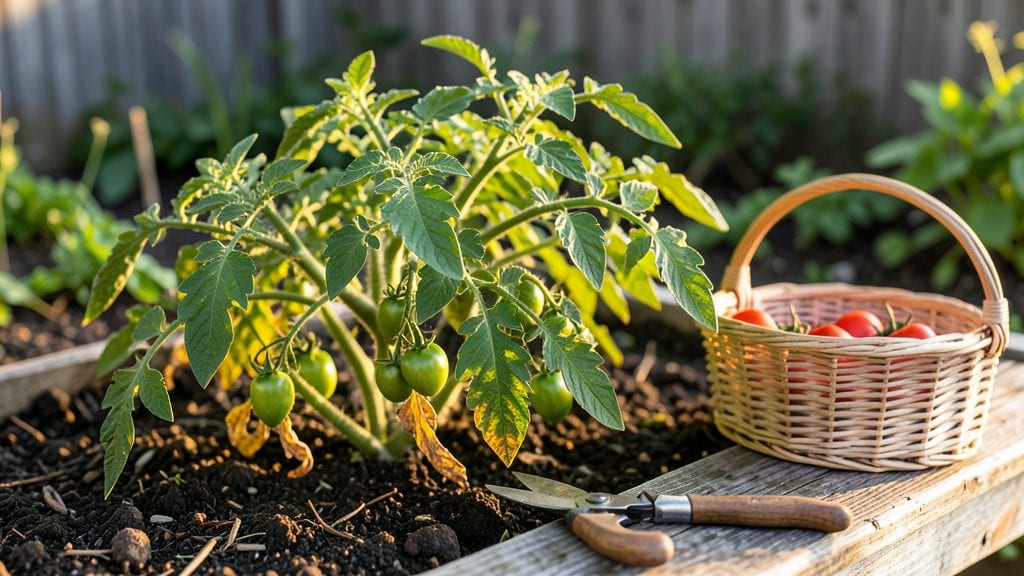
July gardening tasks aren’t just about surviving the heat—they’re about working with it to grow stronger, more resilient plants. 🌿 I’ve learned the hard way that skipping summer pruning or ignoring heat-loving plants means wasted effort by fall. The right moves now mean a garden that thrives when others fade.
Start by deadheading spent blooms on annuals like zinnias and marigolds—they’ll reward you with nonstop color until frost. Prune back overgrown herbs like oregano and thyme to encourage bushier growth, and mulch heavily to keep roots cool.
For vegetables, focus on heat-resistant varieties like okra, sweet potatoes, and malabar spinach that actually thrive when temps climb.
What you’ll end up with is a garden that stays productive through the dog days. The air will smell like sun-warmed basil and ripe tomatoes, and your plants will look lush and healthy instead of stressed. Even weeds slow down in July, making maintenance easier than you’d expect.
Works for backyard plots, containers, or raised beds—just adjust watering times to early morning or late evening to avoid evaporation. Here’s how to make the most of this hot, golden month before school starts back up.
📚 In This Guide
- What you need
- Instructions
- Tips and common mistakes
- Wrapping up and next steps
What you need
- ● Pruning shears – Sharp, bypass-style shears (for clean cuts). Quantity: 1 pair.
- ● Hand pruners – For smaller branches. Quantity: 1 pair.
- ● Garden gloves – Heat-resistant, durable (e.g., leather or synthetic). Quantity: 1 pair.
- ○ Watering can or hose – With adjustable nozzle for gentle watering. Optional: Drip irrigation kit for efficiency.
- ● Mulch – Organic (straw, wood chips) or inorganic (gravel). Quantity: 2–3 bags, depending on garden size.
- ● Compost or fertilizer – Slow-release, heat-tolerant (e.g., 10-10-10 or organic options). Quantity: 1–2 bags.
- ● Plant markers – Biodegradable or reusable (for new heat-resistant plants). Quantity: 10–20.
- ● Sun hat & sunscreen – Non-negotiable for July!
- ● Loppers – For thicker branches (1–2 inch diameter).
- ● Soil moisture meter – To monitor water needs in extreme heat.
- ● Shade cloth – 30–50% coverage for delicate seedlings.
- ● Plant stakes or cages – For tall or top-heavy plants (e.g., tomatoes, sunflowers).
- ● Knee pads – For comfort during prolonged gardening sessions.
Step-by-Step guide to July gardening tasks
Beat the summer heat with these essential tasks for thriving plants and a productive garden.
🌿 Step 1: Plant Heat-Resistant Vegetables and Flowers
July is perfect for adding late-season crops that love the heat. Focus on okra, Swiss chard, and sweet potatoes—they all thrive in 80-90°F temperatures. Choose a partially shaded spot for leafy greens to prevent bolting, while tomatoes and peppers need full sun (6+ hours daily). I like to plant these in the late afternoon when the sun is less intense, giving young plants a gentler introduction.
Use the 2-3 inch deep spacing rule for most seeds, but sweet potatoes need 12 inches between hills. Water immediately after planting to settle the soil and encourage root contact. You'll see new leaves emerge within 7-10 days—that's your signal everything is working.
✂️ Step 2: Prune Summer-Blooming Plants
Deadhead roses, zinnias, and marigolds regularly to encourage more blooms. Pinch back leggy stems to promote bushier growth—just above a leaf node where new shoots will form. I always use clean, sharp pruners to avoid tearing stems, which invites disease. Remove any yellow or brown leaves immediately; they drain energy from healthy growth.
For herbs like basil and oregano, trim back by one-third when they get too tall. This prevents woody stems and keeps them lush. Watch for new growth within 10-14 days—that’s your reward for pruning.
💧 Step 3: Mulch and Water Deeply
Spread 2-3 inches of mulch around plants to retain moisture and keep roots cool. Organic mulch like straw or shredded leaves breaks down over time, enriching the soil. Water deeply once a week (about 1 inch per week) rather than daily shallow watering. You’ll know you’ve watered enough when the top 2 inches of soil feel moist but not soggy.
Morning watering is best—it gives plants time to dry off before evening, reducing fungal risks. If your area gets heavy rain, reduce watering to avoid root rot. Drip irrigation is ideal for July; it delivers water slowly at the roots where it’s needed most.
☀️ Step 4: Protect Plants from Heat Stress
Set up shade cloth (30-50%) over delicate plants like lettuce or spinach if temperatures hit 90°F or higher. A simple frame with lightweight fabric works well. For container plants, move them to shadier spots during peak afternoon sun. You’ll notice leaves wilting less and staying crisp.
Check soil moisture daily—containers dry out faster in heat. If you see yellowing leaves or drooping stems, it’s a sign of thirst. Mist foliage in the early morning to cool plants down, but avoid evening misting, which can promote mildew.
🪴 Step 5: Fertilize and Monitor for Pests
Apply a balanced, slow-release fertilizer (like 10-10-10) every 4-6 weeks to keep plants strong. I like to fertilize after a deep watering so nutrients soak into the soil. Look for aphids or spider mites on the undersides of leaves—they thrive in hot, dry conditions. Spray affected areas with neem oil or a soapy water solution (1 tsp mild soap per quart of water) for a natural remedy.
Rotate crops if possible to prevent soil depletion. For example, if you grew tomatoes in a spot this spring, plant beans or cucumbers there in July—they have different nutrient needs and won’t compete as aggressively.
Tips & tricks for perfect July gardening tasks
A few quick tricks that'll make all the difference when working with heat-loving plants and summer pruning.
Timing Secret: When planting heat-resistant vegetables like okra, Swiss chard, and sweet potatoes in Step 1, I've found that late afternoon planting is the game-changer. The sun isn't at its peak intensity, so tender seedlings get a gentler introduction. This simple shift has helped me avoid the shock of transplanting during midday heat. For sweet potatoes specifically, planting in the late afternoon gives those tubers a cooler start to establish roots before nightfall cools things down.
Pruning Precision: In Step 2, when deadheading roses and other summer-blooming plants, I always make my cuts just above a leaf node where new shoots will form. This isn't just about aesthetics—it's about redirecting the plant's energy into producing more blooms rather than seed heads. Use clean, sharp pruners and make cuts at a 45-degree angle to prevent water from pooling on the cut surface, which can lead to disease. For herbs like basil and oregano, that one-third trim really works wonders—it keeps them bushy and prevents those woody stems that ruin the flavor.
Heat Stress Rescue: If you notice your delicate plants wilting in Step 4 despite your best efforts, don't panic. Set up that shade cloth (30-50%) immediately when temperatures hit 90°F or higher. For container plants, simply move them to shadier spots during peak afternoon sun—this simple relocation can make all the difference. I've seen lettuce and spinach recover beautifully within just a few hours when given this temporary reprieve from intense sunlight. The key is acting quickly before the plants become permanently stressed.
Fertilizer Strategy: When applying that balanced 10-10-10 fertilizer in Step 5, timing matters just as much as the product. Always fertilize after a deep watering so the nutrients can penetrate the soil properly. I like to apply it in the morning when plants are actively photosynthesizing, giving them the energy boost they need for the day ahead. And remember, that 4-6 week interval is a guideline—if you see your plants looking particularly stressed, don't hesitate to fertilize a bit sooner. Healthy plants are better equipped to handle July's heat.
Pro Tips for July Gardening Tasks
- A few quick tricks that'll make all the difference when working with heat-loving plants and summer pruning.
- Timing Secret: When planting heat-resistant vegetables like okra, Swiss chard, and sweet potatoes in Step 1, I've found that late afternoon planting is the game-changer.
- Pruning Precision: In Step 2, when deadheading roses and other summer-blooming plants, I always make my cuts just above a leaf node where new shoots will form.
Frequently asked questions
Got questions about tackling your July gardening tasks? You’re not alone—summer gardening can be tricky, especially with heat and humidity! Here are answers to some of the most common queries to keep your garden thriving.
Why are my plants wilting in July’s heat?
July’s scorching temperatures can stress plants, causing wilting even if soil feels moist. Deep watering in the early morning (before 9 AM) helps roots absorb moisture efficiently. Mulch around the base to retain soil moisture and reduce evaporation. If wilting persists, check for overcrowding or pests—thinning foliage or treating infestations can restore health.
When is the best time to prune summer-blooming plants?
Prune after flowering (late July for most plants) to encourage new growth for next season. Avoid heavy pruning during peak heat—opt for light trimming to prevent stress. Deadhead spent blooms (like roses or zinnias) to redirect energy into new flowers. Pro tip: Use clean, sharp shears and prune in the cool of the evening to minimize shock.
Can I still plant new vegetables in July?
Focus on heat-tolerant crops like okra, sweet potatoes, or malabar spinach. For cooler-loving veggies (e.g., lettuce), opt for shade cloth or plant in partial shade. Avoid transplanting seedlings during midday heat—water thoroughly before and after planting to reduce transplant shock.
How do I handle pests like aphids or squash bugs in July?
Start with natural remedies: Spray infested areas with a mix of 1 tsp dish soap + 1 quart water (reapply every 3–4 days). For stubborn pests, introduce beneficial insects (like ladybugs) or use neem oil. Prevent future outbreaks by removing debris and practicing crop rotation.
Is drip irrigation better than hose watering in July?
Yes! Drip irrigation delivers water directly to roots, reducing evaporation and fungal risks from wet foliage. It’s also water-efficient and automatable. If using a hose, water deeply and slowly in the early morning or evening to mimic natural rainfall. Pro tip: Add a rain gauge to monitor usage—most gardens need 1–1.5 inches per week.
Still unsure? Drop your July gardening dilemmas in the comments—we’re happy to help!
Wrapping up and next steps
July is your chance to harness the summer sun while keeping your garden thriving!
From planting heat-loving veggies to strategic pruning and pest control, these tasks ensure a bountiful harvest and a low-maintenance landscape. 🌿✨ Whether you’re a seasoned green thumb or a curious beginner, small efforts now will pay off in vibrant blooms and delicious yields all season long.
Ready to dive deeper? Start with one task this week—whether it’s deadheading flowers, mulching beds, or sowing those last warm-season crops—and watch your garden transform! 🌱💚