Tools
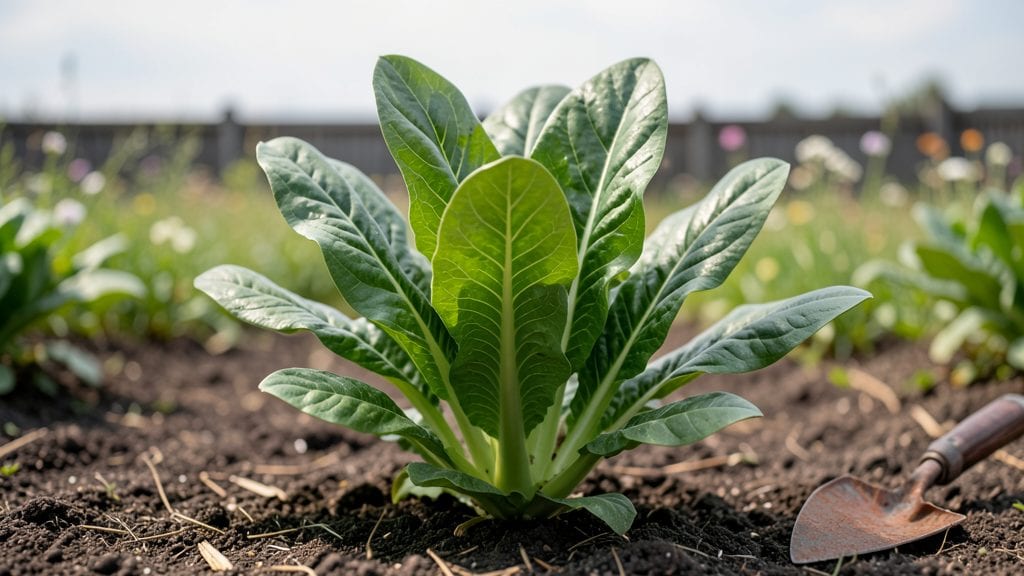
Learning about gardening starts with the dirt—and the right mindset. 🌱 I remember my first attempt, where I planted seeds in a pot with no drainage, then wondered why they rotted. That failure taught me gardening isn’t about perfection; it’s about curiosity, patience, and learning from every season.
You’ll need just a few basics to begin: a sunny spot (at least 6 hours of sunlight daily), some well-draining soil, a watering can, and a small trowel. Start with easy plants like marigolds, lettuce, or basil—they forgive mistakes while you build skills.
Soil health is everything, so mix in compost if possible, and avoid overwatering (most beginner plants drown faster than they starve).
The payoff comes in small victories: your first true leaf, the crunch of homegrown tomatoes, or even just the quiet joy of watching something grow from nothing.
You’ll learn to read your garden like a book—when to water, when to prune, and which pests to ignore (aphids are annoying but harmless in small numbers).
Here’s the secret: gardening confidence grows one season at a time. Start small, keep notes, and celebrate the wins—even if they’re tiny. By next year, you’ll be troubleshooting like a pro. Ready to dig in?
📚 In This Guide
- What you need
- Instructions
- Tips and common mistakes
- Wrapping up and next steps
What you need
- ● Gloves: 1 pair of durable, breathable gardening gloves (nitrile-coated for grip and protection).
- ● Trowel: 1 medium-sized stainless-steel trowel (6–8 inches long) for digging and transplanting.
- ● Pruners: 1 pair of bypass pruners (for clean cuts) or anvil pruners (for thicker stems).
- ● Garden Fork: 1 sturdy, 18–24-inch fork for aerating soil and turning compost.
- ● Watering Can or Hose: A 1–2 gallon watering can (with a rose attachment) or a lightweight hose with adjustable nozzle.
- ● Soil: 1–2 bags of high-quality potting mix or garden soil (check the label for organic options).
- ● Seeds or Seedlings: Start with 3–5 easy-to-grow plants (e.g., lettuce, marigolds, or basil).
- ● Containers or Garden Bed: Pots (5–10 inches deep), raised beds, or a small plot (6x6 feet minimum for beginners).
- ● Mulch: 1–2 bags of organic mulch (straw or shredded bark) to retain moisture and suppress weeds.
- ● Knee Pads: For comfort during long gardening sessions.
- ● Soil pH Tester: A digital or liquid kit to check soil health (aim for 6.0–7.0 for most plants).
- ● Compost Bin: To recycle kitchen scraps into nutrient-rich soil.
- ● Plant Labels: Wooden or plastic tags to track what you’ve planted.
- ● Sunlight Meter: To measure light exposure for optimal plant placement.
- ● Wheelbarrow: For hauling soil, mulch, or tools (1–2 cubic feet capacity).
Instructions: build your gardening foundation Step by Step
Gardening starts with confidence—here's how to plant the seeds for success.
🌱 Step 1: Observe Your Growing Conditions
Begin by spending a full day watching your space. Note sunlight patterns—where does light hit first in the morning? Where does it linger longest? Most plants need 6+ hours of sunlight, but shade-loving plants like hostas thrive in just 2-4 hours. I always mark these spots with a stick or flag so I remember where to plant what.
Check soil drainage by pouring 1 gallon of water into a small hole. If it drains within 1 hour, your soil is good. If water pools after 2+ hours, you'll need to amend it with compost or sand. This simple test saves hours of frustration later.
🌿 Step 2: Start Small With Easy Plants
Pick 3-4 beginner-friendly plants like lettuce, marigolds, or basil. These tolerate mistakes and grow quickly, giving you instant gratification. I recommend avoiding fussy plants like tomatoes or peppers until you've mastered basics—you'll know you're ready when you can keep a single basil plant alive for 2 months.
Buy 1-2 healthy starter plants from a nursery instead of seeds at first. This lets you focus on care rather than germination. Look for plants with vibrant green leaves and no yellowing—those are your telltale signs of a healthy start. Plant them in 6-inch pots first to get a feel for spacing.
💧 Step 3: Master the Watering Basics
Water deeply but infrequently—1 inch per week is a good rule of thumb. I use a rain gauge or measure with a tuna can to track amounts. Water in the morning so leaves dry quickly, preventing fungal diseases. You'll know you're doing it right when the top 2 inches of soil feel dry between waterings.
Never water from above when leaves are wet. Instead, water at the base of plants. This keeps foliage dry and reduces the risk of mildew. I set a timer for 10 minutes when watering new plants to avoid overdoing it—overwatering kills more plants than underwatering.
✂️ Step 4: Learn the Language of Plant Care
Study basic plant terms like "mulch," "prune," and "deadhead." Mulch is simply organic material (like straw or leaves) that protects soil and retains moisture. Pruning means cutting back growth to encourage healthier plants. Deadheading removes spent flowers to promote more blooms. I keep a small notebook where I jot down what each term means and how it applies to my plants.
Pay attention to leaf colors: dark green means healthy, yellow means overwatered or nutrient-deficient, and brown means underwatered or sunburned. I always check the undersides of leaves for pests—this is where they often hide. A 10-minute inspection weekly prevents big problems.
☀️ Step 5: Keep a Simple Gardening Journal
Write down what you plant, when you plant it, and how it grows. Note sunlight exposure, watering amounts, and any issues that arise. After 3 months, you'll have a record of what works in your space. I use a spiral notebook and date each entry—this helps me spot patterns like "the south window gets too hot in July."
Celebrate small wins. Did a seedling survive its first week? Did a plant bloom unexpectedly? These moments build confidence. I always mark these in my journal with a star—it keeps me motivated when progress feels slow. Gardening is a marathon, not a sprint, and every small success counts.
Tips & tricks for perfect gardening foundations
Confidence grows when you know these simple tricks to avoid common pitfalls—and turn them into opportunities.
Sunlight Secret: In Step 1, when you're mapping sunlight, use a white board or chalk to mark your garden in real-time during different hours of the day. I've found that shadows shift more than I expected—especially in afternoon hours. This visual map becomes your gardening GPS for plant placement.
Soil Test Hack: The 1-hour drainage test in Step 1 is crucial, but here's what nobody tells you: if your soil drains too fast (under 30 minutes), mix in 1 part compost to 3 parts soil to retain moisture without suffocating roots. I learned this after watching my first batch of basil wilt from thirst in just 3 days.
Plant Selection Strategy: When choosing your 3-4 beginner plants in Step 2, pick one edible (like lettuce), one flowering (like marigolds), and one aromatic (like basil). This trio gives you instant gratification through different senses—crunchy greens, vibrant blooms, and fragrant leaves. Plus, it's a great way to teach kids (or curious adults!) about plant diversity.
Watering Timer Trick: For the 10-minute watering timer in Step 3, I recommend using your phone's built-in timer instead of a kitchen timer. That way, you can set it while checking the weather app—because sudden rain means you can skip watering that day. Pro tip: Set multiple reminders for the same time each week so watering becomes habit-forming.
Pro Tips for Learning About Gardening
- Confidence grows when you know these simple tricks to avoid common pitfalls—and turn them into opportunities.
- Sunlight Secret: In Step 1, when you're mapping sunlight, use a white board or chalk to mark your garden in real-time during different hours of the day.
- I learned this after watching my first batch of basil wilt from thirst in just 3 days.
Frequently asked questions
Got questions? You’re not alone—gardening can feel overwhelming at first! Here are answers to some of the most common queries to help you grow with confidence.
What are the essential tools I need to start gardening?
You don’t need a full greenhouse to begin! Start with basics like a trowel, pruners, gloves, and a watering can. A small shovel and garden fork help with soil prep. For container gardening, a hand trowel and spray bottle work wonders. Pro tip: Borrow or buy used tools to save money!
When is the best time to plant seeds vs. seedlings?
Timing depends on your climate! Cool-season crops (like lettuce or peas) thrive in early spring or fall, while warm-season plants (tomatoes, peppers) need soil temps above 60°F. Check your last frost date (avg. 2-4 weeks before planting seedlings outdoors). Quick hack: Use a seed-starting kit indoors 6-8 weeks before the last frost.
Can I garden on a budget? What are cost-effective alternatives?
Skip expensive soil—use compost, grass clippings, or leaves instead. Reuse containers (buckets, plastic bottles) for planting. Swap seeds with neighbors or buy in bulk. Bonus: Regrow veggies from scraps (like green onions or herbs) to cut costs further!
What do I do if pests or diseases attack my plants?
Stay calm! Start with prevention: Healthy soil, proper spacing, and regular watering reduce risks. For pests, try neem oil or soapy water sprays. Remove affected leaves/diseased plants immediately. Remember: Most pests are harmless—focus on aphids or caterpillars first. If unsure, snap a photo and ask a local nursery for help!
How do I know if my plants need more light?
Watch for leggy stems, yellowing leaves, or plants leaning toward light sources. Most veggies need 6-8 hours of sunlight daily. If indoors, use a grow light 12-16 hours/day. Rotate plants weekly for even growth. Test tip: Use a light meter app to track brightness in tricky spots!
Wrapping up and next steps
Gardening is more than just planting seeds—it’s a rewarding journey of patience, creativity, and growth! 🌱 Whether you’re nurturing herbs, veggies, or flowers, remember that every gardener starts somewhere, and your first steps matter most.
The key is to begin small, stay curious, and learn from each experience—mistakes are just lessons in disguise.
Ready to take the next step? Start with one plant or project this week—maybe a sunflower for bold colors or a basil plant for fresh cooking. Track your progress, ask questions, and soon, you’ll be sharing your green-thumb success with others. Happy growing! 🌿