Landscaping
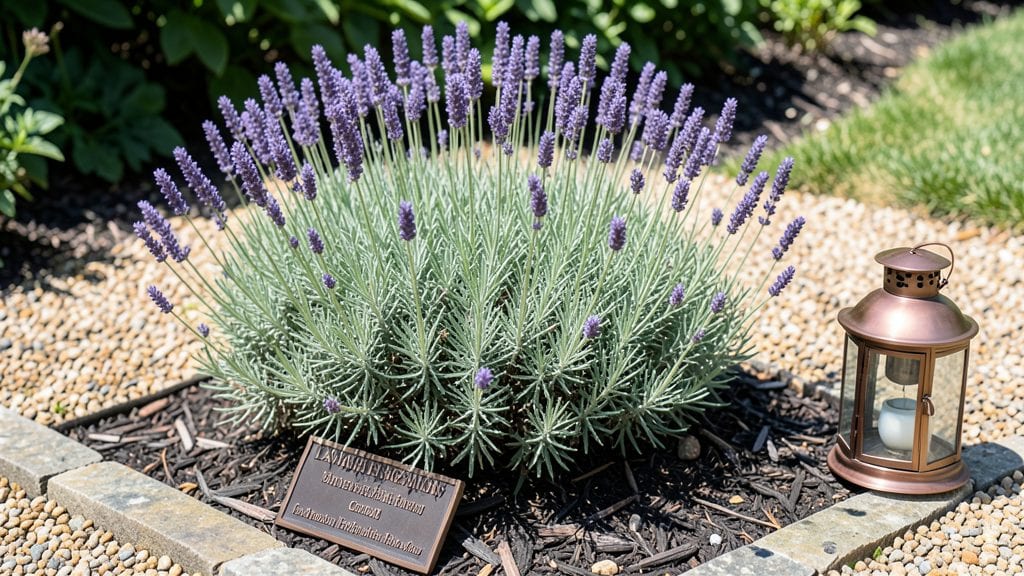
Creating a memorial garden that truly honors someone’s memory starts with plants that whisper their story year after year. 🌿 I designed mine around a cherry tree—its delicate pink blooms in spring mirroring the way my mother loved to dance in the garden—and surrounded it with lavender, which she always said smelled like "peace in a jar."
The key isn’t just beauty; it’s choosing plants that thrive with minimal fuss so the garden stays alive long after the initial tears dry.
Low-maintenance is the heart of a lasting tribute. I opted for native perennials like coneflowers and sedum, which bounce back after winter with almost no care, plus drought-tolerant ground cover to keep weeds at bay.
A simple stone path winds through the space, leading to a bench where I can sit and remember—no pruning, no deadheading, just quiet moments. The materials matter too: weathered wood, smooth river rocks, and a small fountain add texture without upkeep.
What makes it meaningful isn’t the design itself, but the little touches that feel personal. My garden includes a handwritten plaque tucked among the stones, a favorite quote engraved on a copper tag, and even a small section of wildflowers where my dad used to scatter birdseed.
The goal? A place that feels like them—not just a pretty picture, but a living conversation. The best part? It grows more beautiful every year, just like the memories.
This approach works for any space, from a sunlit backyard to a shaded corner of a cemetery plot. The only rule? Make it yours. Whether you add a birdbath, a winding gravel path, or simply their favorite flowers, the garden will become a sanctuary.
Let’s bring it to life—one thoughtful plant at a time.
📚 In This Guide
- What you need
- Instructions
- Tips and common mistakes
- Wrapping up and next steps
What you need
- ● Soil & Amendments: Topsoil (1–2 cubic yards, depending on garden size)
- ● Compost or organic matter (for nutrient-rich soil)
- ● Gravel or sand (for drainage layers, if needed)
- ● Plants & Greenery: Perennials (e.g., lavender, roses, or hostas—choose hardy, low-maintenance varieties)
- ● Shrubs or small trees (e.g., Japanese maple or boxwood for structure)
- ● Ground cover (e.g., creeping thyme or clover for texture)
- ● Herbs or flowers with symbolic meaning (e.g., sunflowers for joy, lilies for remembrance)
- ● Hardscaping & Decor: Paving stones or bricks (for pathways or seating areas)
- ● Memorial plaques or engraved stones (customizable with names/dates)
- ● Benches or garden statues (for reflection)
- ● Wind chimes or solar lights (for ambiance)
- ● Tools: Shovel and spade
- ● Wheelbarrow (for hauling materials)
- ● Pruners and hand trowel
- ● Level and measuring tape
- ● Hose with spray nozzle (for watering)
- ● Water feature (e.g., small fountain or birdbath for serenity)
- ● Personalized garden art (e.g., mosaic tiles, painted rocks, or custom sculptures)
- ● Seasonal plants (e.g., bulbs for spring blooms or evergreens for year-round color)
- ● Scented plants (e.g., jasmine or gardenia for fragrance)
- ● Design Plan: Sketch your layout (include plant placements, pathways, and focal points).
- ● Permits: Check local regulations if installing permanent structures (e.g., benches or fountains).
- ● Sunlight & Drainage: Assess your garden’s sunlight exposure and soil drainage before planting.
- ● Budget: Allocate funds for materials, plants, and potential professional help (e.g., landscapers).
Step-by-step memorial garden design for lasting tribute
Here's how to create a peaceful sanctuary that reflects their spirit while honoring their memory.
🪴 Step 1: Choose a Meaningful Location and Theme
Select a quiet spot that feels special—perhaps where you shared favorite moments with them. I like to start by sketching the space on paper, marking sun/shade patterns throughout the day. A 4-foot diameter circle works well for intimate seating, while a 6-foot rectangular plot accommodates larger elements like benches or sculptures.
Choose a theme that resonates with their personality—maybe a Japanese Zen garden for someone who loved tranquility, or a wildflower meadow if they adored nature's spontaneity. I always include at least one focal point like a stone marker, engraved plaque, or small statue to serve as the garden's heart. Measure twice before marking any permanent features—once you dig, you won't want to move things.
🌿 Step 2: Select Plants That Tell Their Story
Choose plants that held special meaning to them or represent their favorite colors. For example, lavender symbolizes devotion, roses represent love, and sunflowers bring joy. I recommend using perennials (plants that return yearly) for lasting tribute, like coneflowers, black-eyed Susans, or hostas—they're hardy and require less maintenance.
Plant in odd-numbered groupings (3, 5, or 7) for natural balance. Place taller plants toward the back and shorter ones in front, creating visual layers. I always include at least one fragrant plant like jasmine or gardenias—the scent triggers memories when you visit. Water deeply after planting to help roots establish, then check soil moisture weekly until plants are settled.
☀️ Step 3: Add Personal Touches and Functional Elements
Incorporate elements that reflect their hobbies or passions—a birdbath for an animal lover, a small fountain for someone who enjoyed water features, or a wooden bench if they loved to sit and read. I like to add solar-powered garden lights along pathways to create a magical evening atmosphere. Place these elements mindfully—leave enough space to walk comfortably between them.
Include practical features too, like a small table for offerings (candles, photos, or notes) or a mailbox-style holder for letters. These encourage visitors to leave tributes. I always add gravel or mulch around plants to suppress weeds and retain moisture—just 2-3 inches spread evenly with a rake. This keeps the garden looking neat with minimal effort.
⏰ Step 4: Maintain the Garden as a Living Tribute
Visit the garden regularly to tend plants and reflect. I schedule weekly checks in spring/fall to prune dead growth and monthly watering during dry spells—just enough to keep soil 1-2 inches deep moist. Add fresh flowers or seasonal plants each year to keep the space vibrant and evolving.
Consider adding a simple maintenance log (just a notebook) to track plant care and special moments. Note when flowers bloom or when you add new elements—these details become part of the garden's history. Real talk: some plants will die or outgrow their space, and that's okay. Replace them with new choices that still honor their memory.
Tips & tricks for perfect memorial garden design
Creating a meaningful memorial garden goes beyond just planting flowers—it's about crafting a space that feels like a living tribute. Here are the key insights I've learned to help you design something truly special.
Location and Layout Secrets: When choosing your 4-foot circle or 6-foot rectangular plot, consider the sun's path throughout the day. Place seating areas where they'll receive morning sun if that's when you'll visit most often—it creates a natural rhythm for your garden experience. I always check sun exposure at different times by observing the space for just 10 minutes before marking any permanent features.
Plant Selection Strategy: The plants you choose should tell their story, but also be practical for your climate. For example, coneflowers and black-eyed Susans are hardy perennials that thrive in many regions and return year after year, making them perfect for lasting tributes. If you're unsure about your zone, check the USDA Plant Hardiness Zone Map—it's the single most important tool for plant selection.
Personal Touch Organization: When adding elements like birdbaths or benches, I recommend creating a simple sketch first. Place your focal point (like that stone marker) at the center, then arrange other elements in concentric circles around it. This creates natural focal points and guides visitors' eyes through the garden. Don't forget to leave at least 2 feet of walking space between elements—you'll appreciate this when you're tending the garden later.
Maintenance Made Easy: That 2-3 inches of mulch I mentioned isn't just for looks—it's your secret weapon against weeds and moisture loss. I use pine bark mulch because it breaks down slowly and adds nutrients to the soil over time. For your weekly checks, I've found that dedicating just 15 minutes on the same day each week makes maintenance feel automatic. Set a phone reminder for your chosen day—consistency is what keeps these gardens thriving.
Pro Tips for Memorial Garden Design
- Creating a meaningful memorial garden goes beyond just planting flowers—it's about crafting a space that feels like a living tribute.
- Location and Layout Secrets: When choosing your 4-foot circle or 6-foot rectangular plot, consider the sun's path throughout the day.
- Plant Selection Strategy: The plants you choose should tell their story, but also be practical for your climate.
Frequently asked questions
Got questions about creating a memorial garden? Here are some common ones to help you get started on this meaningful project:
What’s the best time of year to plant a memorial garden?
The ideal time depends on your climate, but spring or early fall are typically best. Spring allows plants to establish roots before summer heat, while fall offers cooler temps and fewer pests. If planting perennials, aim for 6-8 weeks before the first frost in your area. For annuals, follow seed packet guidelines!
How do I choose memorial elements that feel personal?
Start by reflecting on your loved one’s passions, hobbies, or favorite colors. Add meaningful touches like:
- A custom bench with their name engraved
- Plants they loved (e.g., roses, herbs, or native flowers)
- A small plaque or wind chime with a quote or date
- Personalized stone markers or lanterns
Can I create a memorial garden on a budget?
Focus on low-cost, high-impact elements like:
- Native plants (cheaper, drought-resistant, and eco-friendly)
- DIY pathways (gravel, stepping stones, or mulch)
- Recycled materials (e.g., upcycled bricks, wine bottles as planters)
- Volunteer labor (friends/family can help with planting)
What if I don’t have a green thumb? Are there low-maintenance options?
No green thumb? No problem! Opt for:
- Drought-tolerant plants (e.g., lavender, succulents, or ornamental grasses)
- Self-watering planters or drip irrigation for hands-off care
- Ground covers (like creeping thyme or clover) to reduce weeding
- Artificial elements (e.g., a stone labyrinth or metal sculptures)
How do I handle weeds or pests without chemicals?
Use natural solutions like:
- Mulch (wood chips or straw) to suppress weeds and retain moisture
- Hand-pulling (early morning or after rain makes it easier!)
- Companion planting (e.g., marigolds deter pests, basil repels flies)
- Neem oil or insecticidal soap for targeted pest control
Wrapping up and next steps
Creating a memorial garden design is a deeply personal way to honor loved ones while transforming grief into beauty. Whether you choose serene pathways, symbolic plants, or interactive elements, every detail reflects care and intention. 🌿
Now that you’re inspired, take the next step: sketch your vision, gather materials, and start small—even a single bench or a favorite flower can begin the healing process. Your garden will grow as your love for them does.
Ready to turn memories into a lasting tribute? Start planning today!