Fertilization
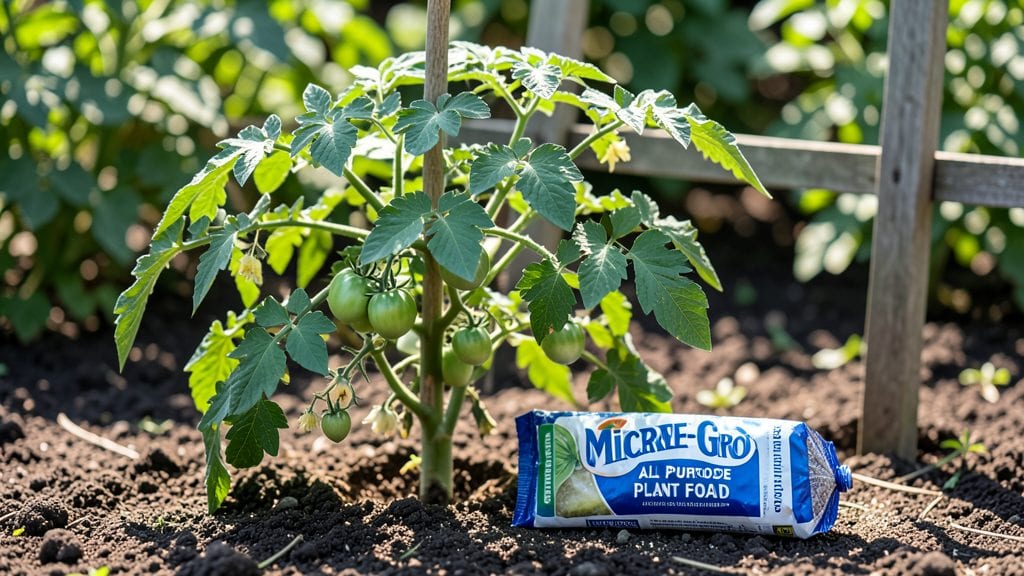
Miracle Gro for vegetable gardens delivers fast nutrient uptake with a balanced NPK ratio (24-7-14), promoting lush foliage and robust root development, though it requires frequent reapplication for sustained growth. Best for container plants and young seedlings in controlled environments.
This fertilizer is a go-to for gardeners who need immediate results, especially when growing vegetables in containers or raised beds. 🌱 The high nitrogen content (24%) fuels rapid leaf production, while phosphorus (7%) strengthens root systems and potassium (14%) supports fruit development.
However, its synthetic nature means it doesn't improve soil health long-term—think of it as a performance boost rather than a soil-building solution.
For best results, I recommend mixing it with compost to balance the nutrient load and prevent over-fertilization. The key is consistency: apply every 2-3 weeks during the growing season, but always follow the package instructions to avoid burning tender plants.
It's particularly effective for fast-growing vegetables like lettuce and spinach, where quick nutrient availability makes a noticeable difference in yield.
💡 In This Article
- How Miracle Gro’s NPK Ratio Supports Vegetable Growth
- Best Practices for Applying Miracle Gro in Vegetable Gardens
How Miracle Gro’s NPK ratio supports vegetable growth
Miracle Gro’s 24-7-14 NPK ratio is specifically engineered to deliver a rapid nutrient boost that vegetables crave during their most critical growth phases. The 24% nitrogen (N) content is the highest among the three, which directly fuels leafy green growth—think of those vibrant spinach leaves or bushy basil plants.
This nitrogen is primarily in the form of water-soluble urea and ammonium, which roots can absorb almost immediately after application, unlike organic fertilizers that require microbial breakdown first. 🌿
The 7% phosphorus (P) plays a supporting but equally vital role by enhancing root development and energy transfer within plant cells. Phosphorus helps vegetables establish strong root systems early, which is especially important for container-grown plants where root space is limited.
In soil chemistry terms, phosphorus becomes more available to plants when soil pH is between 6.0 and 7.0—outside this range, it binds to soil particles and becomes locked away. Miracle Gro’s phosphorus content ensures quick availability, but it’s worth testing your soil pH first to maximize its effectiveness.
Potassium (14%) in this formula acts like a plant’s quality control system, regulating water uptake, disease resistance, and fruit development. For vegetables like tomatoes or peppers, this means stronger cell walls that resist cracking and better flavor profiles.
The potassium in Miracle Gro is primarily in the form of sulfate and chloride, which are readily absorbed.
What’s interesting is how this ratio differs from organic alternatives: compost might provide similar nutrients but at a 1-2-1 ratio over time, while Miracle Gro delivers a more concentrated punch in a single application. 💪
Here’s where soil microbial activity comes into play: synthetic fertilizers like Miracle Gro bypass the need for soil microbes to break down organic matter. In natural ecosystems, microbes convert complex organic compounds into plant-available forms—a process that can take weeks.
Miracle Gro’s quick-release nutrients mean vegetables get what they need within days, but this also means the soil’s microbial community doesn’t benefit from the long-term organic matter boost you’d get from compost or manure.
For this reason, many gardeners combine Miracle Gro with organic amendments to support both immediate growth and soil health.
Let’s talk about the practical implications for vegetable growth cycles. The high nitrogen content makes Miracle Gro particularly effective for leafy greens and fast-growing vegetables like lettuce or radishes, where rapid foliage development is key. For fruiting vegetables like cucumbers or zucchini, the potassium helps improve yield quality.
However, the trade-off is that this fertilizer doesn’t build soil structure or improve water retention over time—it’s more like a high-performance sports drink for plants rather than a balanced diet. 🌱
What most gardeners don’t realize is how this ratio affects different vegetable families. For example, legumes like beans actually fix their own nitrogen through root nodules, so they don’t need as much from fertilizer. Overapplying Miracle Gro to legumes can lead to excessive foliage at the expense of pod production.
Meanwhile, root vegetables like carrots benefit more from phosphorus, which Miracle Gro provides in adequate amounts, but they still need well-draining soil to prevent forked growth—a common issue when nutrients are too concentrated.
The bottom line is that Miracle Gro’s NPK ratio is a strategic choice for gardeners who need immediate, measurable results in controlled environments like containers or raised beds. It’s less about long-term soil improvement and more about giving plants the exact nutrients they need, when they need them.
For sustained growth, pairing it with organic matter creates the best of both worlds: quick performance plus soil health. ✨