Fertilization
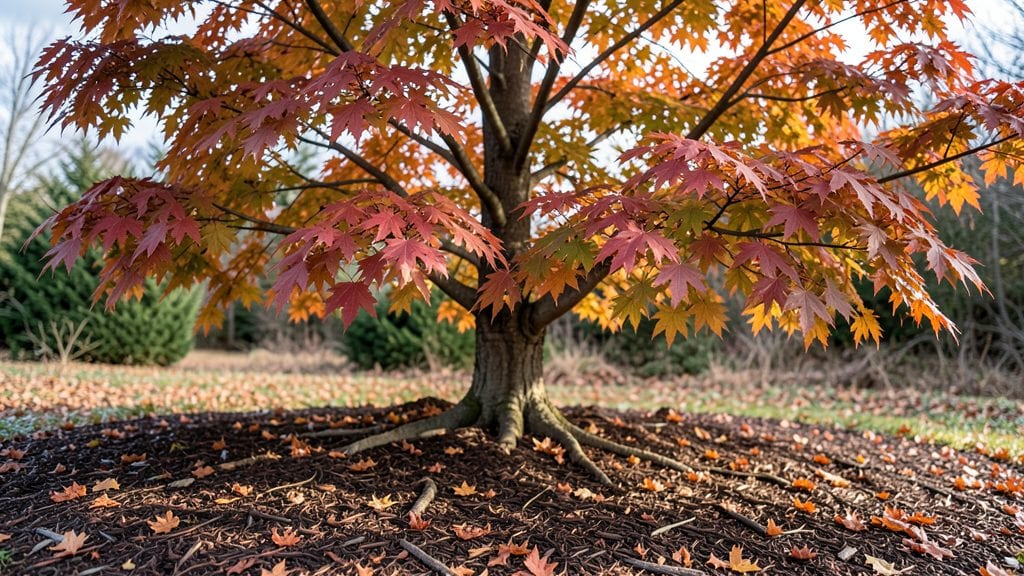
Using mulched leaves in garden boosts soil health by locking in moisture, blocking weeds, and enriching the earth as they break down—but improper use can invite pests or spread diseases.
Leaf mulch acts like a natural blanket for your soil, slowing water evaporation and feeding microbes as it decomposes. 🌿 The key is balance: too much can smother plants or create soggy conditions, while too little won’t deliver the full benefits.
I’ve found that shredded leaves work best—they break down faster than whole leaves, preventing that thick, impenetrable mat that suffocates roots. For best results, mix them with compost or other organic matter to create a nutrient-rich layer that supports plant growth without inviting slugs or fungal problems.
Timing matters too—applying leaf mulch in late fall gives it time to settle before spring planting, while spring applications should be lighter to avoid overheating young plants. The decomposition process releases nutrients gradually, making it a slow-release fertilizer that outperforms many synthetic options.
Just remember: when in doubt, less is more with leaf mulch—you can always add more later!
💡 In This Article
- How Mulched Leaves Benefit Garden Soil Composition
- Best Practices for Using Leaf Mulch Safely in Gardens
How mulched leaves benefit garden soil composition
Here's what's actually happening when you spread leaf mulch: the decomposition process transforms it into a nutrient powerhouse. Leaves have a carbon-to-nitrogen ratio of about 40:1 to 80:1, which means they break down slowly, feeding soil microbes over months rather than weeks.
These microbes, including bacteria and fungi, then convert the organic matter into humus—a dark, spongy substance that improves soil structure and holds nutrients plants can use.
The key factor is microbial activity. As leaves decompose, they create tiny air pockets that improve soil aeration while also increasing water retention capacity by up to 50% compared to bare soil. This moisture-retaining ability is why mulched areas stay damp longer during dry spells.
The process also releases beneficial compounds like flavonoids that stimulate root growth, creating a feedback loop where healthier roots support more robust microbial communities.
What most people don't realize is how leaf mulch supports mycorrhizal fungi—the beneficial fungi that form symbiotic relationships with plant roots. These fungi help plants absorb phosphorus and other nutrients more efficiently.
Studies show that mycorrhizal networks can extend a plant's reach for water and nutrients by 10-20 times its root zone. The slow decomposition of leaves provides a steady carbon source that fuels these fungal networks without overwhelming the soil ecosystem.
This works because leaf mulch creates a gradual nutrient release system. Unlike synthetic fertilizers that provide quick but short-lived boosts, decomposing leaves deliver a slow, steady supply of nitrogen, phosphorus, and potassium.
For example, a 3-inch layer of shredded leaves can add about 1-2 pounds of nitrogen per 100 square feet over a growing season—enough to support moderate plant growth without requiring additional fertilizers for many gardeners.
The texture transformation is equally impressive. Coarse leaves break down into a fine, crumbly material that mimics the structure of well-aged compost. This improves soil tilth (workability) by reducing compaction and creating ideal conditions for earthworms.
In fact, gardens with consistent leaf mulching often see earthworm populations increase by 30-50% within a season, as these worms thrive in the protected, moist environment created by the mulch layer.
One advanced consideration is the pH effect. Most leaves are slightly acidic (pH 5.5-6.5), so they gradually lower soil pH over time. This can benefit acid-loving plants like blueberries or hydrangeas but may require lime amendments for vegetables that prefer neutral soils.
Testing your soil's pH before applying thick layers of leaf mulch can prevent unintended acidification in plantings that need a more neutral environment.