Tools
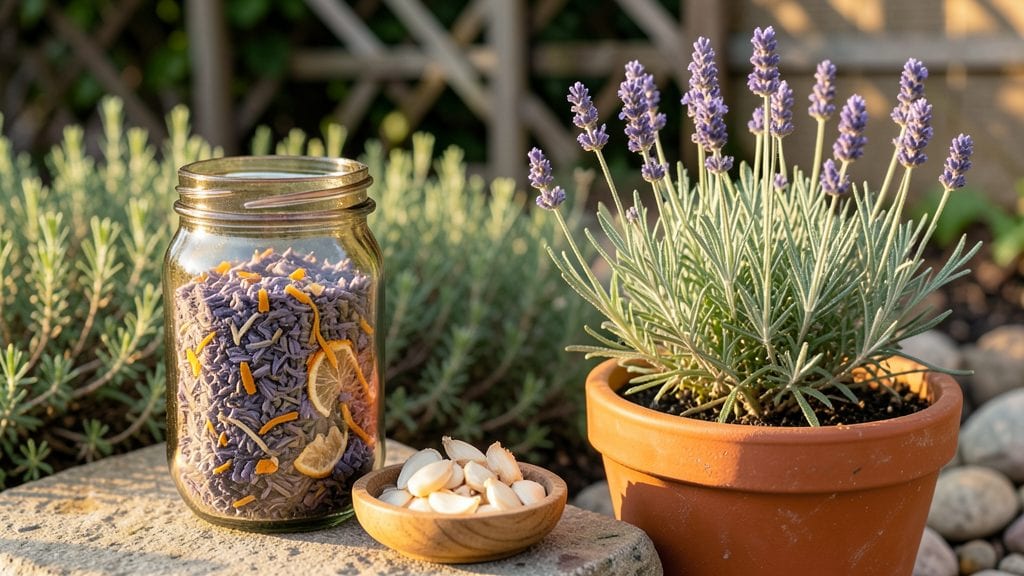
Natural garden repellents use plant-based ingredients like garlic, chili peppers, or citrus peels to deter pests without chemicals. These solutions leverage strong scents or textures that insects find unpleasant, such as marigolds for aphids or rosemary for mosquitoes, while being safe for plants and ecosystems.
These eco-friendly alternatives work by masking plant signals that attract pests or creating physical barriers—think of them as nature's version of pest control. 🌿 For example, crushed mint leaves release volatile oils that confuse ants, while the sharp scent of cayenne pepper deters rabbits from nibbling young seedlings.
The beauty of these methods lies in their dual benefits: they protect your garden while supporting biodiversity, unlike synthetic chemicals that can harm beneficial insects like bees.
Many gardeners swear by homemade sprays like a blend of water, dish soap, and hot pepper flakes for soft-bodied insects, or a simple garlic infusion for aphids. The key is consistency—reapply every few days during peak pest seasons, and always test on a small plant area first to avoid phytotoxicity.
What's fascinating is how these solutions often improve soil health too, thanks to decomposed plant matter and microbial activity they encourage.
💡 In This Article
- How Plant-Based Repellents Disrupt Pest Behavior
- DIY Natural Repellent Recipes for Common Garden Pests
How plant-based repellents disrupt pest behavior
Here's what's actually happening when pests encounter these plant-based defenses: many repellents work by overwhelming an insect's olfactory system with volatile organic compounds (VOCs) that their brains can't process. Take pyrethrins from chrysanthemums - these compounds bind to nerve cell receptors, causing paralysis in insects like mosquitoes and fleas.
The key factor is concentration: studies show that even small amounts (0.05% solution) can deter pests when applied consistently, as the scent molecules create an invisible barrier that pests avoid navigating through.
Physical deterrents play a different but equally important role. Plants like thyme or rosemary have rough, fibrous leaves that create a physical barrier against crawling insects, while their strong aroma masks the plant odors that attract herbivores.
Deer, for instance, avoid gardens planted with lavender because its high linalool content (up to 30% of its essential oils) creates an overwhelming scent profile that disrupts their feeding patterns.
The science shows that deer have 400 scent receptors compared to humans' 5 million, making them particularly sensitive to concentrated plant aromas.
What most people don't realize is how companion planting creates a chemical confusion effect. When you interplant basil with tomatoes, the combined VOC emissions create a mixed scent profile that disrupts whitefly navigation systems.
Research from the University of California found that whiteflies had a 70% reduction in landing attempts when exposed to this mixed aroma versus single-plant scents. This works because insects rely on specific chemical signatures to locate hosts - when those signatures become scrambled, their foraging becomes inefficient.
The effectiveness varies by pest type and plant chemistry. Soft-bodied insects like aphids are particularly vulnerable to neem oil because its azadirachtin compound disrupts their molting process, while hard-bodied beetles may require physical barriers like prickly pear cactus to deter them.
The temperature also matters: essential oils become more volatile (and thus more effective) at 75-85°F - which is why late afternoon applications often show better results than morning sprays.
Consider these key mechanisms when selecting your approach:
- Olfactory disruption: Strong scents like citronella (up to 75% geraniol content) mask plant attractants that draw mosquitoes
- Physical deterrence: Plants with hairy leaves (like lamb's ear) create barriers that deter crawling pests
- Chemical interference: Garlic's allicin disrupts insect digestive enzymes when consumed
- Behavioral confusion: Mixed planting creates scent mosaics that confuse herbivores' navigation
The most effective systems combine multiple approaches. For example, planting marigolds around vegetables creates both a visual deterrent (their bright colors attract predator wasps) and a scent barrier (their alpha-terthienyl compound repels nematodes).
This two-pronged approach explains why marigolds are considered one of the most versatile natural repellents in organic gardening systems.
Remember that persistence is key - most plant-based repellents need 3-5 days of consistent exposure to establish their deterrent effects. The good news is that these methods build soil health over time, creating a more resilient garden ecosystem that naturally resists pests as beneficial microbes flourish. 🌱