Tools
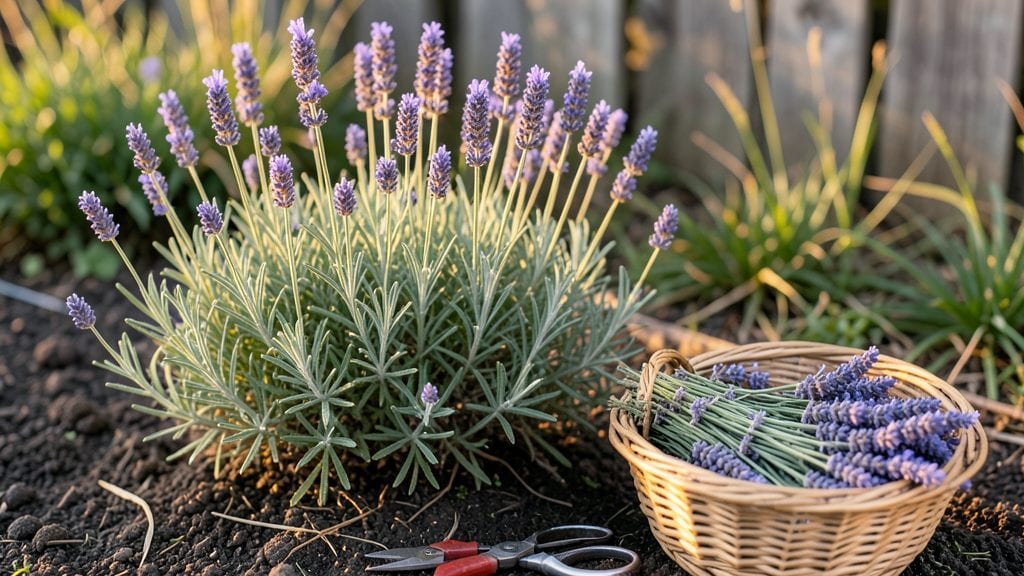
Old person gardening isn't about giving up—it's about making your green space work for you. I spent years watching my knees protest every squat to the soil, until I realized the right tools and setup could turn gardening from a chore into pure, comfortable joy.
The key isn't strength—it's smart design and adaptive gear that lets you keep doing what you love, on your terms.
Think raised beds that eliminate bending, lightweight tools with thick grips that don't slip, and plants that thrive with minimal fuss—like herbs, strawberries, or dwarf tomatoes. My 80-year-old neighbor grows more than I do, and she does it from a cozy bench while sipping tea.
The best part? You can start small with just a few containers or a single accessible bed and expand as you feel ready.
Picture this: no more aching backs, no more wrestling with stubborn soil, just the simple pleasure of watching something grow. You'll harvest fresh veggies, beautiful flowers, or fragrant herbs without the struggle. And the best reward? Knowing you're creating a space that stays vibrant—and accessible—for years to come.
Whether you're just starting or looking to adapt an existing garden, we'll cover the tools, plants, and layouts that make gardening effortless. No experience needed—just a willingness to grow your way. Let's get started!
📚 In This Guide
- What you need
- Instructions
- Tips and common mistakes
- Wrapping up and next steps
What you need
- ● Adaptive Gardening Tools: Lightweight, ergonomic trowel (with a cushioned grip) – 1-2
- ● Long-handled pruners (bypass or anvil type, with easy-grip handles) – 1 pair
- ● Knee pad or cushioned kneeler (adjustable height) – 1
- ● Wheelbarrow or lightweight cart (with a low lift height) – 1
- ● Rake with an extended handle (24–36 inches) – 1
- ● Seeds & Plants: Easy-to-grow seeds (e.g., lettuce, herbs, marigolds, or container-friendly veggies) – 5–10 packets
- ● Potted plants (low-maintenance options like succulents or ornamental grasses) – 2–4
- ● Containers & Soil: Large, lightweight pots (10–15 gallons, with drainage holes) – 3–5
- ○ Raised garden bed kit (optional, 4’x8’ or smaller) – 1
- ● Potting mix (moisture-retentive, lightweight blend) – 1–2 bags
- ● Hose with an adjustable nozzle and a lightweight spray wand
- ● Portable stool or bench (for seating while gardening)
- ● Sun hat, gloves with grip, and a waterproof apron
- ● Solar-powered garden lights (for evening enjoyment)
- ● Voice-activated or app-controlled irrigation system (for hands-free watering)
- ● A flat, accessible area (patio, balcony, or small yard plot)
- ● Sunlight exposure (at least 4–6 hours daily for most plants)
- ● Easy access to water (garden hose or watering can with a long spout)
- ○ Optional: A small shed or storage bin for tools (to keep them organized and dry)
Instructions: adaptive techniques for comfortable gardening
Here’s how to create a garden that feels good to work in—no strain, no fuss, just satisfaction.
Choose Ergonomic Tools for Ease
Lightweight tools with padded grips make a huge difference. Look for long-handled trowels and pruners that reduce bending—your knees will thank you. I’ve found that lightweight aluminum tools feel almost weightless compared to steel ones, and ergonomic grips prevent blisters. Test a few at your local garden center to see what fits your hands best.
Keep a small tool caddy or rolling cart nearby so you’re not constantly reaching or bending to grab supplies. A foldable stool with armrests lets you sit while weeding or planting, and you’ll find yourself spending more time in the garden without fatigue. Place it near your favorite working spot for easy access.
Design Raised Beds for Accessibility
Raised beds eliminate the need for deep bending or kneeling, which can be tough on aging joints. Build or purchase beds that are 2 to 3 feet wide—narrow enough to reach the center without stretching. I like beds that are 12 to 18 inches tall so I can stand upright while gardening. Place them close to your house or patio so you don’t have to walk far.
Use lightweight materials like cedar or composite lumber for the frames, and fill them with 3 to 4 inches of mulch on top to retain moisture and reduce weeds. A path of stepping stones or gravel between beds makes navigation easier, especially if you’re using a walker or cane.
Set Up a Watering System for Low Effort
A drip irrigation system or soaker hoses attached to a timer saves you from lugging watering cans around. I set mine to run for 10 to 15 minutes twice a day, which keeps the soil moist without overwatering. Place the water source near your garden so you’re not hauling heavy hoses across the yard.
If drip irrigation isn’t an option, consider a wheelbarrow with a built-in water reservoir—it’s easier to push than a traditional can and holds more water. Just fill it once and let it roll along as you garden. Avoid overhead sprinklers, which can waste water and make the soil too soggy for delicate plants.
Plant Low-Maintenance, High-Reward Crops
Focus on plants that thrive with minimal care, like herbs, strawberries, and dwarf varieties of vegetables. I grow basil, parsley, and thyme in pots near my doorstep—they’re easy to snip and don’t require much attention. Strawberries spread on their own, so you get more plants without extra work.
Avoid finicky plants that need constant pruning or staking. Instead, choose disease-resistant varieties and plants that self-seed, like marigolds or cosmos. These will give you color and life without the upkeep. Place them in spots where you can enjoy them while sitting—like near a bench or under a tree.
Create a Seating Area for Garden Enjoyment
Add a comfortable chair or bench where you can relax and watch your garden grow. I like a foldable lounge chair with a small side table for my water bottle or gardening book. Place it in a shady spot during hot afternoons, or under a pergola if you have one.
Include a small umbrella or shade sail to protect yourself from the sun while you’re out there. A wind chime or bird feeder nearby adds to the peaceful atmosphere. The goal is to make gardening a joy, not a chore—so design a space where you can sit, unwind, and still feel connected to your plants.
Tips & tricks for perfect adaptive gardening
A few thoughtful adjustments can transform gardening from a chore into a comfortable, enjoyable experience. Here's how to make every step easier on your body and mind.
The Tool Test: Before committing to any ergonomic tools, visit your local garden center and try a few different options. I recommend testing lightweight aluminum tools with padded grips—these can feel almost weightless compared to heavier steel tools. The right tool should fit comfortably in your hand without causing strain, and the handles should be long enough to minimize bending. Don't forget to try out the foldable stool mentioned in Step 1—sitting while you work can make a surprising difference in how long you can comfortably garden.
Bed Height Matters: When designing your raised beds, remember that the ideal height is between 12 to 18 inches. This height range allows you to garden while standing upright, eliminating the need for deep bending or kneeling. If you're concerned about reaching the center of wider beds, opt for the 2-foot width mentioned in Step 2—this width lets you reach across without stretching. For even greater accessibility, consider adding removable sides to your beds so you can easily access soil from the top when needed.
Watering Made Easy: The 10 to 15 minutes of watering twice daily recommended in Step 3 is perfect for maintaining consistent moisture without overwatering. To make this even easier, place your water source as close to your garden as possible—this eliminates the need to drag heavy hoses across your yard. If you're using a wheelbarrow with a built-in reservoir, fill it completely before you start gardening so you can focus on your plants rather than refilling. This small adjustment can save you from unnecessary bending and reaching.
Seating Strategy: Your seating area should be positioned where you can enjoy the garden while still being close enough to tend to your plants easily. In Step 5, I mentioned a foldable lounge chair with a side table—this setup lets you sit comfortably while still having everything you need within arm's reach. Consider placing your chair near your most frequently visited plants, like your basil or parsley mentioned in Step 4, so you can enjoy the garden while still being able to care for it without getting up.
Pro Tips for Old Person Gardening
- A few thoughtful adjustments can transform gardening from a chore into a comfortable, enjoyable experience.
- The Tool Test: Before committing to any ergonomic tools, visit your local garden center and try a few different options.
- Bed Height Matters: When designing your raised beds, remember that the ideal height is between 12 to 18 inches.
Frequently asked questions
Got questions about gardening later in life?
You’re not alone! Here are some of the most common concerns—and practical solutions—to help you garden comfortably and confidently.
What are the best adaptive tools for seniors with limited mobility?
Look for ergonomic tools like long-handled reachers, lightweight trowels with padded grips, and wheelchair-accessible planters. Tools with thick, cushioned handles reduce strain, while one-handed pruners and knee pads with armrests make tasks easier. Start with basics like a foldable stool or raised garden beds to minimize bending.
Is there an ideal time of year to start gardening for seniors?
Timing depends on your climate and mobility! Spring and fall are ideal for planting—cooler temps reduce fatigue. Avoid peak summer heat if possible. For year-round gardening, focus on low-maintenance plants like herbs, succulents, or container veggies. Morning watering (when it’s cooler) is gentler on joints. Listen to your body: short, frequent sessions beat exhausting marathons.
Can I garden without a backyard? What are my alternatives?
Balcony planters
, window boxes, and community garden plots are great options. Try hydroponics or vertical gardens for small spaces. If mobility is a challenge, indoor herb gardens (like basil or mint) thrive in sunny windowsills. Libraries and senior centers often host shared gardening programs—ask around!
How do I troubleshoot sore hands or back pain while gardening?
First, take breaks every 20–30 minutes to stretch. Use gloves with gel padding to cushion hands, and swap heavy pots for lighter, self-watering containers. For back pain, sit on a sturdy stool or try a garden kneeler with a backrest. Warm up with gentle arm circles before digging, and consider voice-activated tools (like smart sprinklers) to reduce physical effort.
What low-maintenance plants are best for senior gardeners?
Prioritize drought-tolerant, slow-growing plants like lavender, rosemary, or snapdragons. For veggies, try cherry tomatoes, lettuce, or green beans—they’re forgiving and productive. Succulents and ornamental grasses need minimal care. Avoid high-climbing vines (like ivy) unless you have sturdy support. Perennials (plants that return yearly) reduce annual replanting hassles!
Wrapping up and next steps
Gardening in your golden years isn’t just about staying active—it’s a celebration of joy, independence, and connection to nature. With the right adaptive tools, even small tasks become manageable, letting you tend to your green space with ease and confidence. 🌱
Ready to bloom where you’re planted? Start small—try one new tool or technique this week, and watch how it transforms your gardening experience. Your future self (and your plants!) will thank you.
- Next step: Browse our recommended tools or share your favorite gardening tip with fellow green thumbs!