Tools
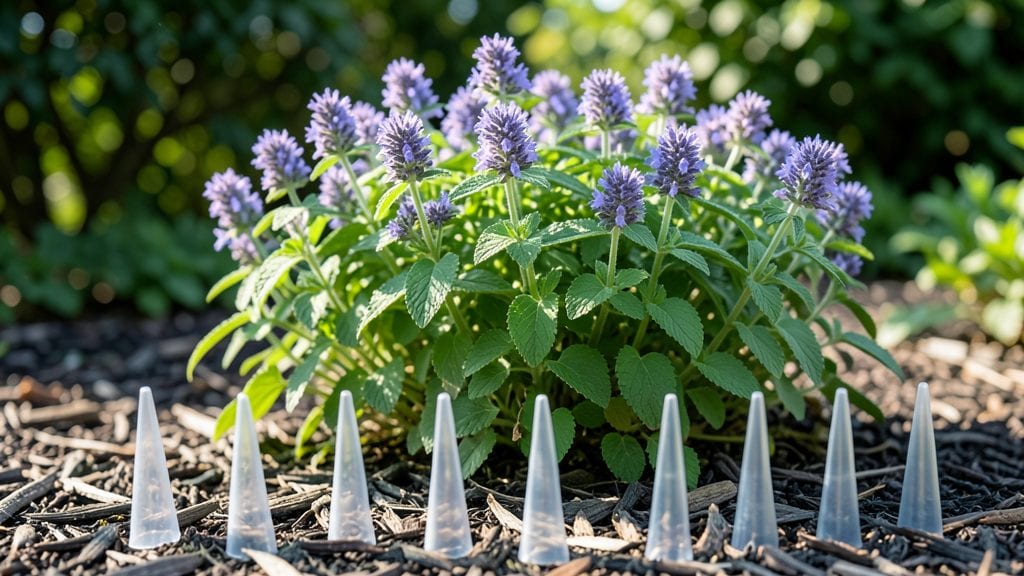
To prevent cat garden destruction, you’ll need a strategy that stops their curiosity without trapping them—because your marigolds deserve peace, not a litter box. 🌱 The key is understanding why they’re drawn to your plants in the first place. the first place, then using clever, pet-safe tricks to redirect their energy.
Cats dig and scratch for instinctual reasons: marking territory, stretching their muscles, or hunting pests. But they’re also attracted to loose soil, the scent of certain plants, and the warmth of sunlit garden beds.
The good news? You can outsmart them with natural deterrents like citrus peels, coffee grounds, or even a sprinkle of dried lavender—scents cats dislike but won’t harm them.
Physical barriers work too, like wrapping young plants in chicken wire or laying down mulch to discourage digging. I also created a designated "cat sandbox" filled with organic soil—now my tabby digs there instead of my veggies.
The results? A garden that thrives and a happy cat who still feels like the boss.
These methods are low-cost, chemical-free, and adaptable to any yard size. Whether you’ve got one curious kitty or a neighborhood strays problem, there’s a solution that keeps both your plants and your feline friends safe. Let’s get started!
Root Causes of Feline Digging
Cats don’t destroy gardens out of spite—they’re driven by instinct, curiosity, and biological needs. Understanding these motivations is the first step to creating a cat-proof garden that keeps both your plants and your feline friend happy. Here’s why your cat might be turning your green space into a dig site.
🐾 Natural Scratching Instincts
Cats scratch for three key reasons: to stretch their muscles, mark territory, and shed old claw sheaths. Garden soil is often loose and inviting, making it an irresistible alternative to scratching posts.
Unlike hard surfaces, dirt provides resistance and a satisfying texture that triggers their primal urge to dig.
Why it matters: A cat’s claws are designed for gripping and tearing—activities they’d perform in the wild to climb trees or defend territory. When deprived of proper scratching surfaces, they’ll seek out soil, mulch, or even plant roots to satisfy this need.
Actionable insight: Mimic the feel of soil by offering deep, textured scratching pads (like sisal or carpeted posts) or creating a designated digging pit filled with cat-safe sand or coconut coir.
🌱 Boredom and Overstimulation
Indoor cats, especially those without outdoor access, can develop compulsive digging behaviors as a form of mental stimulation. Gardens offer a novel environment full of smells, textures, and hidden critters (like insects or small animals), which can overwhelm their senses and trigger digging as a coping mechanism.
Why it matters: Studies show that cats left without enrichment activities are 2-3x more likely to exhibit destructive behaviors, including digging. The lack of vertical space, interactive toys, or scent-based stimulation can lead to frustration, which manifests physically in your garden.
Actionable insight: Rotate interactive toys, install catwalks or window perches for outdoor views, and use catnip or silvervine in specific areas to redirect their energy away from plants.
🐛 Hunting and Foraging Drives
Cats are obligate carnivores with a hardwired hunting instinct. Even well-fed pets may dig in gardens to unearth insects, worms, or small prey. The rustling of leaves or the scent of soil-dwelling creatures can trigger their predatory behaviors, leading to targeted digging in beds or near mulch.
Why it matters: Digging in gardens is often a purposeful behavior, not random destruction. Cats use their paws to sift through soil (a technique called "dug-scenting") to locate hidden food sources. This is especially true for breeds like Siamese or Bengals, which retain high prey drives.
Actionable insight:
- Use motion-activated sprinklers or ultrasonic repellents (like the ScatMat) to startle them away from digging zones.
- Plant cat-safe herbs like cat grass (wheatgrass) or valerian in a separate pot—they’ll prioritize these over your prized flowers.
- Avoid using chemical repellents (like capsaicin), as they can harm cats if ingested.
🚫 Territorial Marking
Cats communicate through scent, and digging is one way they deposit pheromones to mark territory. Loose soil or mulch provides an ideal medium for spreading their scent, especially if another animal (or even a neighbor’s cat) has passed by.
Stress or changes in the household (like a new pet or moving furniture) can also increase marking behaviors.
Why it matters: Unlike spraying urine, digging allows cats to distribute scent over a larger area, reinforcing boundaries. This is more common in multi-cat households or in gardens adjacent to property lines.
Actionable insight:
- Neuter/spay your cat—this reduces territorial behaviors by up to 90%.
- Install vertical barriers (like chicken wire) around vulnerable areas to block access.
- Use Feliway diffusers (synthetic pheromones) to create a calming environment.
🌿 Soil and Plant Attraction
Some cats are drawn to digging because of the scent or taste of certain plants. For example:
- Catnip and silvervine: While these are safe, they can encourage digging as cats roll and bury themselves in the foliage.
- Toxic plants (e.g., lilies, azaleas, foxgloves): If your cat ingests soil while digging near these, they may develop digging habits to self-medicate (e.g., eating dirt to induce vomiting).
- Freshly turned soil: The smell of disturbed earth can be irresistible to cats, triggering compulsive digging.
Why it matters: Cats have 47x more scent receptors than humans, making them hyper-sensitive to plant odors. If they associate digging with a pleasant experience (like finding catnip), they’ll repeat the behavior.
Actionable insight:
- Replace toxic plants with cat-safe alternatives (e.g., spider plants, Boston ferns, or mint).
- If using catnip, contain it in a pot or designated area away from your garden.
- Add citrus peels or coffee grounds to soil—cats dislike these scents and will avoid the area.
Humane Fixes For Cat-Proof Gardens
Cats may love digging, scratching, and turning your garden into their personal playground, but you don’t need harsh chemicals or cruel deterrents to keep them away. The key is to combine natural repellents, environmental tweaks, and positive distractions—all while ensuring your feline friend stays happy and healthy.
Below, we break down practical, cat-safe solutions tailored to the most common causes of garden destruction, from digging to litter box mimicry.
Cats dig for sensory stimulation, warmth, or even to bury waste (yes, really!). If your garden looks like a construction site, try these humane fixes:
🔥 Block Access Without Harm
- Install raised beds or barriers: Use chicken wire, hardware cloth, or decorative edging (like rocks or bricks) to create boundaries cats can’t climb or dig under.
Bury the wire 12 inches deep to stop underground tunneling. - Plant cat-unfriendly foliage: Cats dislike coleus, lavender, rue, or pennyroyal—their strong scents deter digging.
Place these near high-traffic areas. - Use motion-activated sprinklers: Devices like the ScareCrow spray a gentle burst of water when triggered, startling cats without harming them.
🍳 Provide Better Digging Alternatives
- Dedicated sand or soil box: Fill a shallow tray with clean sand or topsoil (not potting mix) and place it in a sunny spot.
Add a few catnip sprinkles to encourage use. - Scratching posts & pads: Place sisal or cardboard scratchers near windows or garden gates to redirect their energy indoors.
💡 Pro Tip:
If your cat digs near specific plants, try citrus peels or coffee grounds scattered lightly around the area—cats dislike these smells but they’re safe for soil.
Cats may use your garden as a toilet if their indoor box is dirty, stressful, or unsatisfying. Fix this by:
👨🍳 Improve Indoor Litter Conditions
- Add more boxes: The rule is one per cat + one extra. Place them in quiet, low-traffic areas.
- Use unscented, clumping litter: Some cats avoid strong fragrances.
Try pine pellets or recycled paper options. - Clean daily: Scoop waste twice a day to prevent buildup.
🥘 Make Outdoor Areas Less Appealing
- Remove loose soil or mulch: Cats prefer soft, diggable surfaces.
Replace with gravel or bark chips. - Apply vinegar or lemon juice (diluted) to areas they’ve used—cats dislike the smell, but it’s safe for plants. - Try commercial enzymatic cleaners (like Nature’s Miracle) to neutralize odors that might attract them back.
✨ Long-Term Prevention
- Spay/neuter your cat: Unfixed cats are 4x more likely to spray or dig outdoors.
- Supervise outdoor time: If your cat has access to a secure patio or "catio," they’re less likely to view your garden as a bathroom.
Cats are drawn to catnip, valerian, and wheatgrass, but even non-herb plants can suffer. Here’s how to save your greens:
🔪 Physical Barriers Work Best
- Use cloche covers or floating row covers over seedlings until they’re established.
- Plant in hanging baskets or vertical planters—cats can’t reach them easily.
- Try cat-proof trellises for vines like cucumbers or beans.
🌡️ Natural Repellents (Test First!)
- Spray water + hot pepper flakes (1 tsp per gallon) on leaves—cats hate the taste but it won’t harm plants.
- Plant marigolds or geraniums near vulnerable areas—their strong scent deters cats.
- Place aluminum pie pans or crinkly mylar near plants—cats dislike the noise and texture.
🎯 Redirect Their Interest
- Grow cat-safe herbs like catmint, basil, or thyme in a separate, elevated planter to satisfy their cravings without damaging your garden.
- Offer dried cat grass (wheatgrass) indoors as a legal alternative.
To prevent future garden raids, make these monthly habits part of your routine:
| Task | How Often | Why It Works |
|---|---|---|
| Inspect barriers | Weekly | Ensure chicken wire or fences are intact. |
| Refresh repellents | Every 2 weeks | Natural scents (citrus, vinegar) fade. |
| Clean litter boxes | Daily | Reduces outdoor "competition." |
| Rotate cat toys | Weekly | Keeps them engaged indoors. |
| Trim low-hanging plants | As needed | Removes easy-access climbing spots. |
Final Thought: The goal isn’t to punish your cat but to outsmart their instincts with safe, appealing alternatives. With a little creativity, you can have a lush garden AND a happy kitty**—no battles required! 🐾🌿
Frequently asked questions
Why do cats dig in gardens even if they're well-fed?
Cats dig for instinctual reasons beyond hunger—like stretching muscles, marking territory, or hunting pests. Loose soil mimics natural digging grounds, and the scent of insects triggers their predatory instincts. Even indoor cats with regular meals may dig due to boredom or sensory stimulation.
Are coffee grounds safe to use as a cat deterrent?
Yes, but use them sparingly! Coffee grounds are non-toxic and cats dislike the smell, making them a great natural repellent. Sprinkle lightly around plant bases—just avoid overusing them, as too much can alter soil pH over time.
How deep should I bury chicken wire to stop digging?
Bury the wire at least 12 inches deep to prevent underground tunnels. For extra protection, bend the edges outward at a 45-degree angle to discourage climbing. This creates a physical barrier cats can't bypass.
Will motion-activated sprinklers really work?
Devices like the ScareCrow spray a gentle burst of water when triggered, startling cats without harm. Place them near high-traffic digging spots—most cats learn to avoid the area after just a few surprises.
Can I use citrus peels on all plants?
Most plants tolerate citrus peels safely, but avoid using them on acid-loving plants like blueberries or azaleas. Test a small area first—some plants may develop yellowing leaves. For sensitive plants, try vinegar spray instead.