Pests
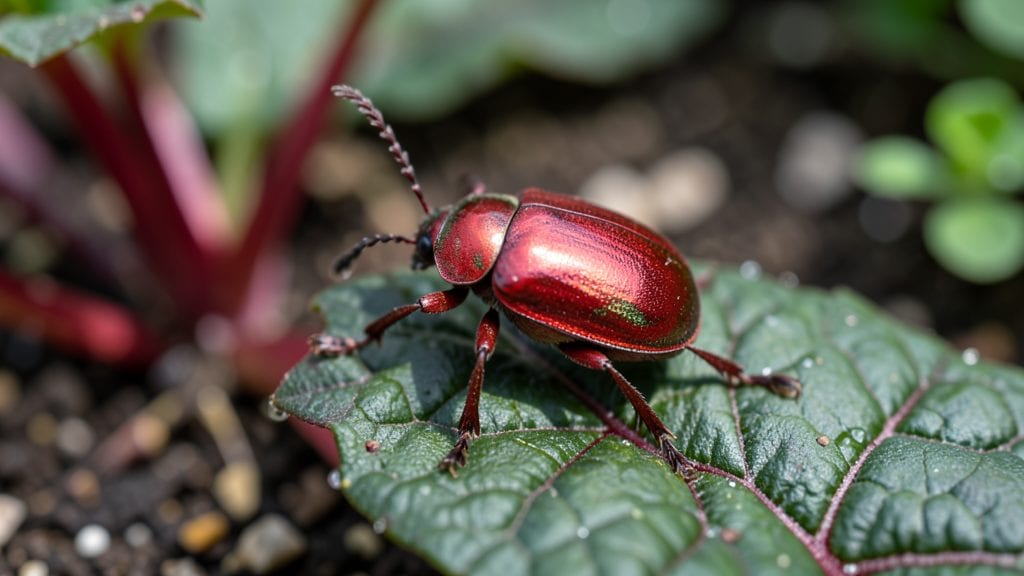
Those tiny red beetles devouring your garden aren’t just annoying—they’re a full-blown invasion that can strip leaves overnight. 🌿 I’ve battled them in my own yard, and I’ll show you how to outsmart them without harsh chemicals. The key is catching them early, before they multiply into an army.
Red beetle adults and larvae target everything from veggies to flowers, leaving behind skeletonized leaves and stunted growth. Most gardeners panic and reach for sprays, but the real solution lies in disruption—traps, barriers, and habitat changes that make your garden less appealing than the wild grasses they prefer.
My method combines three simple but effective strategies that work in as little as a week.
You’ll start seeing results fast: fewer beetles crawling on your plants, healthier foliage, and a garden that looks like it’s thriving instead of being picked clean. The best part?
These traps are cheap, reusable, and safe for kids and pets. Once you set them up, you’ll wonder why you didn’t try this sooner.
Works for home gardens, raised beds, and even container plants—just adjust the trap placement based on where you spot the most damage. Let’s break the beetle cycle for good.
Root Causes Of Garden Invaders
Understanding why these tiny red beetles show up in your garden is the first step to stopping them. These pests don’t just appear out of nowhere—they’re drawn by specific conditions in your outdoor space. Let’s break down the real reasons they become a problem and what triggers their unwanted visits.
Red beetles, especially fire chafer beetles or Japanese beetles, are attracted to gardens where organic material is breaking down. Overripe fruits, fallen leaves, and rotting vegetables release sugars, alcohols, and volatile organic compounds (VOCs) that signal an easy food source.
These beetles have a strong sense of smell and can detect these scents from up to 50 feet away!
Why it matters:
- Fungal growth from decaying plants creates a moist, nutrient-rich environment that beetles love.
- Fruit flies and other pests also thrive in these conditions, indirectly attracting beetle predators.
- Solution: Clear fallen fruit, trim overgrown plants, and compost organic waste far from your garden beds.
Healthy soil has a delicate balance of beneficial bacteria, fungi, and microbes. When this balance shifts—often due to over-fertilization, poor drainage, or chemical pesticides—harmful fungi like slime molds or water molds can take over.
Red beetles, particularly fungus gnats or chafer grubs, are drawn to these fungal hotspots because they feed on the mycelium (fungal threads) in the soil.
Why it matters:
- Excess nitrogen (from synthetic fertilizers) can promote fungal growth, creating a beetle buffet.
- Compacted or waterlogged soil reduces oxygen, stressing plants and making them more susceptible to fungal infections.
- Solution:
- Test your soil’s pH and nutrient levels—aim for a slightly acidic to neutral range (6.0–7.0).
- Use compost tea or mycorrhizal fungi to restore balance naturally.
- Avoid overwatering and improve drainage with organic mulch.
Not all plants are equal when it comes to beetle attraction. Some native and non-native species release pheromones or floral scents that act like a dinner bell for red beetles.
Common culprits include: - Roses (Japanese beetles love them!) - Grapevines (fire chafer beetles target these heavily) - Dandelions & clover (provide nectar for adult beetles) - Corn & beans (grubs feed on roots)
Why it matters:
- Adult beetles feed on leaves and flowers, weakening plants.
- Larvae (grubs) chew on roots, leading to stunted growth or plant death.
- Solution:
- Remove weeds like dandelions and clover—they’re beetle magnets.
- Plant beetle-repellent companions like marigolds, catnip, or garlic near vulnerable crops.
- Prune damaged foliage regularly to reduce egg-laying sites.
Red beetles are highly sensitive to temperature and moisture. Their life cycles are tightly linked to spring rains, warm summers, and fall humidity. Here’s how weather plays a role:
| Season | Beetle Activity | Why It Happens |
|---|---|---|
| Spring | Eggs hatch → larvae emerge | Warm, moist soil triggers grubs to feed on roots. |
| Summer | Adult beetles swarm | Heat and flowering plants attract them for feeding. |
| Fall | Larvae pupate → overwinter | Cool temps signal them to burrow deep for survival. |
Why it matters:
- Excess rain can drown beneficial predators (like ground beetles) while boosting fungal growth.
- Drought stress weakens plants, making them more vulnerable to beetle attacks.
- Solution:
- Mulch heavily in spring to retain moisture without creating soggy conditions.
- Install drainage if your garden floods easily.
- Use row covers in early summer to block adult beetles before they lay eggs.
Sometimes, our own gardening practices accidentally create the perfect beetle paradise.
For example: - Leaving pet food or fallen fruit near garden edges (yes, even dog kibble can attract pests!). - Using broad-spectrum pesticides that kill natural predators (like ladybugs or spiders). - Storing firewood or mulch too close to plants (beetles hide in these materials).
Why it matters:
- Lack of biodiversity in your garden reduces natural pest control.
- Artificial chemicals can disrupt ecosystems, making beetle outbreaks worse.
- Solution:
- Encourage predator habitats (e.g., toad houses, bird baths, or native plants).
- Switch to targeted organic sprays (like neem oil or kaolin clay) to protect good bugs.
- Keep storage areas clean and dry—beetles love hiding in damp wood piles.
Break the Beetle Cycle Naturally
Now that you understand why those pesky red beetles are crashing your garden party, let’s roll up our sleeves and tackle them the smart way—without harsh chemicals. These solutions are practical, eco-friendly, and designed to stop the problem at its source while keeping your garden thriving.
Below, we’ll match common causes to easy fixes, plus pro tips to keep beetles from making a comeback.
1. Overcrowded or Weak Plants 🌱
Why it happens: Beetles love stressed plants—think crowded veggies, weak seedlings, or overwatered soil. They see your garden as an all-you-can-eat buffet.
How to fix it: ✅ 🔪 Prune & Space Plants
- Thin out overcrowded seedlings (especially brassicas like kale or cabbage).
- Follow seed packet spacing guidelines—more air = fewer beetle hideouts.
✅ 💡 Boost Plant Health
- Fertilize lightly with compost or a balanced organic fertilizer (too much nitrogen = soft, beetle-loved leaves).
- Water at the base, not overhead—wet foliage attracts beetles.
🌡️ Prevention tip: Interplant with strong-scented herbs like rosemary or thyme. Beetles hate the smell!
2. Standing Water or Damp Soil 💦
Why it happens: Beetles and their larvae thrive in soggy soil. Puddles near your garden? Instant beetle hotel.
How to fix it: ✅ 🏗️ Improve Drainage
- Raise beds slightly or add gravel/sand to heavy clay soil.
- Use drip irrigation instead of sprinklers to keep leaves dry.
✅ 👨🍳 Fix Watering Habits
- Water early in the morning so soil dries by evening.
- Avoid watering after dusk—beetles are nocturnal snackers.
🎯 Prevention tip: Place sand or diatomaceous earth around the base of plants to repel larvae.
3. Lack of Natural Predators 🐞
Why it happens: Beetles multiply when their predators (ladybugs, birds, ground beetles) are missing. Monoculture gardens (all one crop) make it easy for them to take over.
How to fix it: ✅ 🌿 Invite Beneficial Bugs
- Plant a pollinator garden nearby with dill, fennel, or marigolds—these attract ladybugs and lacewings.
- Install a bird feeder or bath to lure beetle-munching birds.
✅ 🔥 Create a "Bug Buffet"
- Leave some wildflower patches or weeds (like clover) unharvested—they feed beneficial insects.
✨ Pro tip: Neem oil spray (1 tsp per quart of water) deters beetles and preserves predator populations.
4. Ignoring Early Signs 🚨
Why it happens: By the time you see skeletonized leaves, the beetles have already laid eggs in the soil. Early action = fewer generations.
How to fix it: ⏰ 🕵️♂️ Scout Daily (Yes, Really!)
- Check undersides of leaves and soil surface for eggs (tiny orange ovals).
- Handpick adults into soapy water—10 minutes a day can save your garden.
✅ 🍳 Use Row Covers Early
- Floating row covers (lightweight fabric) smother beetles before they lay eggs.
- Secure edges with soil or bricks—beetles can chew through gaps!
💡 Prevention tip: Rotate crops yearly—beetles specialize in certain plants (e.g., cabbage worms love brassicas).
5. Chemical Overuse 🧴
Why it happens: Harsh pesticides kill everything—including the good bugs that keep beetles in check. Plus, beetles develop resistance fast.
How to fix it: ✅ 🌿 Go Organic & Strategic
- Kaolin clay spray (like Surround WP) creates a physical barrier beetles avoid.
- Spinosad (derived from soil bacteria) is highly effective and safe for bees.
✅ 🔪 Manual Removal for Severe Cases
- Drop beetles into soapy water or crush them (wear gloves—they can bite!).
- Solarize soil in late summer: Cover beds with clear plastic for 4–6 weeks to bake out larvae.
🎯 Prevention tip: Companion planting works! Basil near tomatoes or nasturtiums as traps distract beetles from your prized crops.
Once you’ve kicked the beetles out, keep them from moving back in with these habits:
- 📅 Plant a "beetle trap crop" (like radishes) far from your veggies—harvest the beetles, not your zucchini!
- 🌱 Succession plant—don’t leave empty soil where beetles can lay eggs.
- 🔄 Rotate crops every 2–3 years to disrupt beetle life cycles.
Remember: The key is consistency. Beetles are persistent, but with these targeted, natural methods, you’ll reclaim your garden—without a single chemical in sight. 🚀
Frequently asked questions
What are the most common types of red beetles that invade gardens?
The most troublesome red beetles in gardens include Japanese beetles, fire chafer beetles, and lady beetle larvae. Japanese beetles target roses and grapevines, while fire chafer grubs damage lawns and vegetable roots. Lady beetle larvae (often mistaken for pests) actually help control aphids—only the adults are beneficial.
How do I tell if I have a red beetle infestation versus just a few stragglers?
Look for skeletonized leaves (chewed but veins remaining), orange grubs in soil, or swarms of adults feeding together. A true infestation means you’ll see damage on multiple plant types and new beetles appearing daily. Check soil moisture too—damp conditions accelerate larval growth.
Are homemade beer traps effective for catching red beetles?
Yes! A simple beer trap (bury a container filled with beer at soil level) works well for Japanese beetles and fire chafer adults. The yeast scent attracts them, and they drown. For best results, place traps near problem areas and refresh the beer every 3-4 days. Combine with other methods for severe infestations.
Will neem oil kill red beetle larvae in the soil?
Neem oil is most effective against adult beetles and eggs, but it doesn’t penetrate soil well enough to reach larvae. For grubs, use beneficial nematodes (like Heterorhabditis bacteriophora) or solarize soil with clear plastic during hot weather. Always water plants before applying neem to improve coverage.
When should I call a professional for red beetle control?
Consider professional help if you’ve tried natural methods for 4+ weeks with no improvement, or if beetles are destroying lawns or high-value crops. Signs it’s time: visible grubs in large patches, plant death, or beetles returning after treatment. A local extension service can recommend targeted organic solutions.