Container Gardens
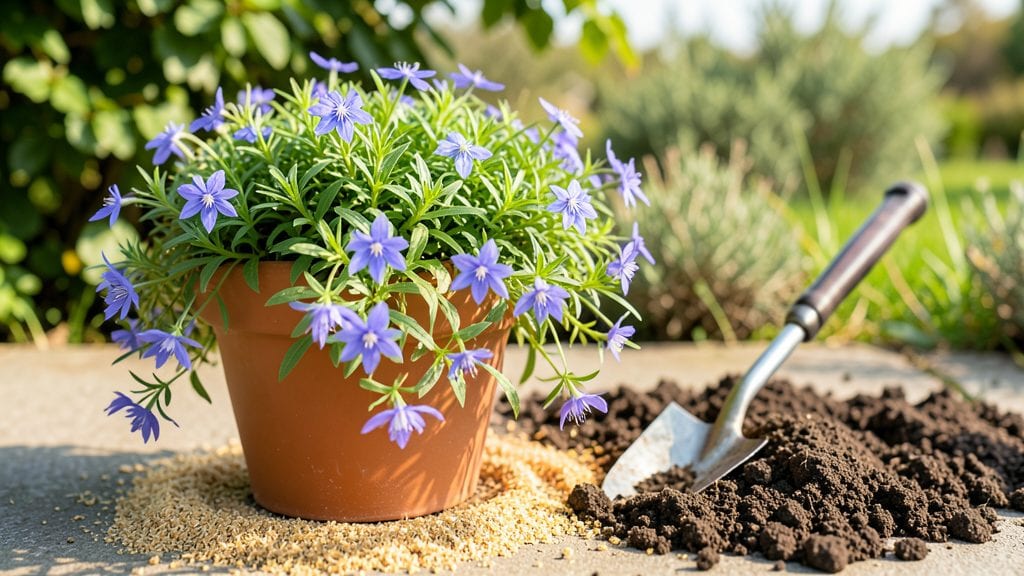
Sawdust in garden beds improves soil structure and suppresses weeds by retaining moisture while decomposing slowly, but it must be aged, untreated, and applied in moderation to avoid nitrogen depletion or fungal growth.
Sawdust acts as a natural soil amendment because it breaks down into humus, which enriches the soil with organic matter over time. 🌱 Unlike fresh wood chips, aged sawdust integrates more quickly into the soil, promoting beneficial microbial activity while creating a barrier that blocks sunlight from weed seeds.
However, it's crucial to mix it with compost or nitrogen-rich materials like manure to balance its carbon-heavy composition—otherwise, it can temporarily tie up nitrogen needed by your plants.
For best results, spread a 2- to 3-inch layer over garden beds in early spring or late summer, after the soil has warmed up. This timing helps the sawdust decompose before winter dormancy, while also suppressing weeds during peak growth periods.
I’ve found that container gardens benefit especially well from sawdust, as it helps retain moisture in pots where water evaporates quickly.
💡 In This Article
- How Sawdust Enhances Soil Fertility and Structure
- Best Practices for Applying Sawdust in Garden Beds
How sawdust enhances soil fertility and structure
Here's what's actually happening when sawdust works its magic in your garden: it acts as a slow-release carbon source that feeds soil microbes over months rather than weeks.
Unlike straw or grass clippings, sawdust has an extremely high carbon-to-nitrogen ratio (typically 500:1 or higher), which means it decomposes gradually while stimulating beneficial fungi and bacteria.
These microbes then break down the sawdust into humus, a dark, spongy material that improves soil structure by creating tiny air pockets between soil particles. 🌱 This process is similar to how compost works, but much slower—think of it as nature's version of a time-release fertilizer.
The key to sawdust's effectiveness lies in its physical properties. When applied as a 2- to 3-inch layer, it creates a protective blanket that reduces water evaporation by up to 40% compared to bare soil. This moisture retention is particularly valuable in container gardens where water drains quickly.
The fine particles also block sunlight from reaching weed seeds, preventing germination—a feature shared with wood chips but more effective due to sawdust's finer texture. Unlike straw, which can compact over time, sawdust maintains its loose structure longer, improving aeration for plant roots.
What most people don't realize is how sawdust influences microbial activity differently than other mulches. The decomposition process creates a microhabitat where beneficial fungi thrive, particularly mycorrhizal fungi that form symbiotic relationships with plant roots. These fungi help plants absorb water and nutrients more efficiently.
However, this microbial boost requires proper balance—pure sawdust can temporarily "rob" nitrogen from your soil as microbes compete for this essential nutrient. That's why mixing sawdust with compost or nitrogen-rich materials like alfalfa meal is crucial. 💫
Comparing sawdust to other common mulches reveals some important distinctions. Wood chips decompose even more slowly (often taking years) and can create anaerobic conditions if piled too thickly. Straw, while faster to break down, tends to compact and loses its structure quickly.
Sawdust falls somewhere in between—fast enough to show benefits within a growing season but slow enough to provide long-term soil improvement. The ideal scenario is using sawdust in combination with other organic materials to create a balanced soil ecosystem that supports both plant growth and microbial diversity.
One advanced consideration is the type of wood used. Sawdust from hardwoods like oak or maple decomposes more slowly than softwoods like pine, which can release resinous compounds that may inhibit plant growth.
Always choose untreated, aged sawdust from untreated wood to avoid introducing chemicals or fungal spores into your garden.
The decomposition process also generates heat as microbes work, which can reach 140-160°F in the center of thick piles—this is why it's important to spread sawdust thinly and mix it into the soil rather than piling it.
For container gardens, sawdust offers unique advantages. Its fine texture helps prevent soil compaction in pots, while its moisture-retaining properties reduce the need for frequent watering.
I've found that adding 1 part sawdust to 2 parts compost in container mixes creates an ideal growing medium that stays moist longer without becoming waterlogged. The sawdust also helps buffer pH fluctuations, creating a more stable environment for sensitive plants like blueberries that require acidic conditions. 🌿