Companion Plants
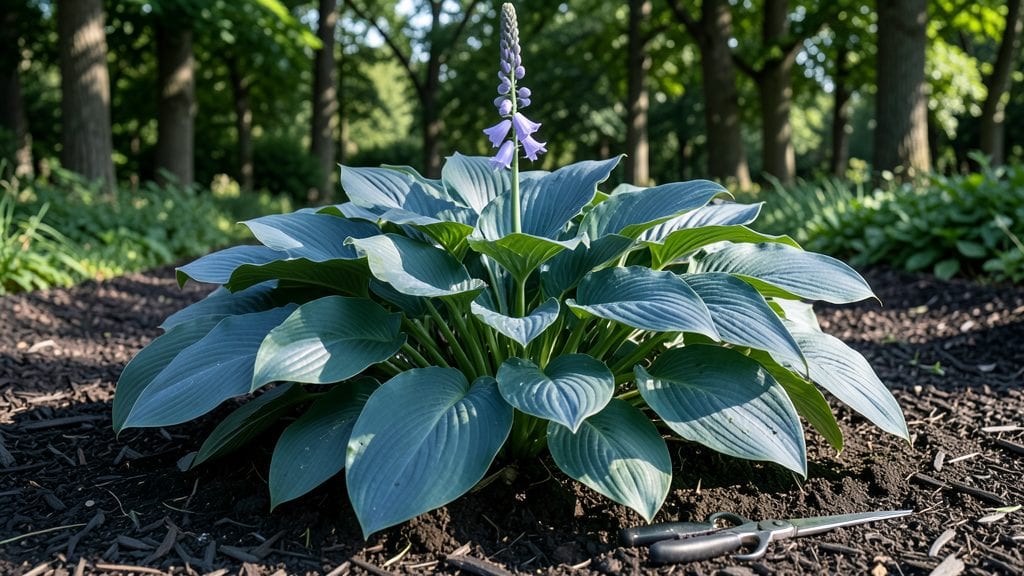
My shaded garden plants started with a single hosta that somehow outlasted every sun-loving annual I planted in its shadow. 🌿 That stubborn little plant taught me that low-light spaces aren’t dead zones—they’re prime real estate for the right greenery.
The trick is choosing plants that thrive where others fade, then layering them to create depth, texture, and color even when sunlight is scarce.
Think beyond just hostas—ferns unfurl delicate fronds, astilbes bloom in soft pinks, and Japanese painted ferns add velvety texture. Shrubs like pieris and rhododendrons bring year-round structure, while ground covers like sweet woodruff or ajuga prevent weeds and keep the soil moist.
The key is matching plant heights: tall ferns or shrubs in back, mid-height perennials in the middle, and low-spreading ground covers up front.
You’ll end up with a garden that stays lush even in deep shade, where dappled light creates dappled magic. The air smells fresher, the colors pop against the darker backdrop, and you’ll finally stop feeling like your shaded spots are garden afterthoughts.
Let’s turn those dim corners into the showpiece of your yard.
Works for woodland gardens, modern minimalist layouts, or cozy cottage-style spaces—just adjust the plant mix to your light levels. The best part? These plants handle moisture better than sun-lovers, so you’ll water less too. Here’s how to make it happen.
📚 In This Guide
- What you need
- Instructions
- Tips and common mistakes
- Wrapping up and next steps
What you need
- ● Shade-tolerant plants: 5–10 varieties (e.g., ferns, hostas, astilbes, impatiens, or caladiums). Check local climate zones for best picks!
- ● Potting soil or garden soil: 1–2 bags (well-draining, enriched with compost or peat moss).
- ● Mulch: 2–3 bags (shredded bark or wood chips to retain moisture and suppress weeds).
- ● Garden gloves: 1 pair (to protect your hands while planting).
- ● Hand trowel or small shovel: 1 (for digging and transplanting).
- ● Watering can or hose with a gentle spray nozzle: 1 (for deep, even watering).
- ● Pruning shears: 1 (for shaping plants and removing dead foliage).
- ● Measuring tape or ruler: 1 (to space plants correctly, typically 12–24 inches apart).
- ● Slow-release fertilizer: 1–2 packets (for a nutrient boost, especially for heavy feeders like hostas).
- ● Garden stakes or labels: 5–10 (to track plant names and care needs).
- ● Drip irrigation system: 1 (for automated, consistent watering in larger shaded areas).
- ● Shade cloth (30–50% coverage): 1 roll (if your space gets partial shade or fluctuating light).
- ● Decorative rocks or pebbles: 1 bag (for a polished, low-maintenance look).
Step-by-step guide to designing a thriving shaded garden
Here's how to create a lush, vibrant garden where sunlight barely reaches.
🌿 Step 1: Assess Your Shade Conditions
First, identify your shade type—deep shade (under trees, north-facing walls) or partial shade (4-6 hours of filtered light). I like to observe the space at different times of day. Deep shade plants like hostas or heucheras thrive where sunlight barely touches, while partial shade lovers like astilbes or bleeding hearts need just a little dappled light.
Watch for patterns: If leaves on nearby plants look pale or stretched, your area gets too little light. If they’re crispy, it’s too dry. Mark the sunniest and shadiest spots—they’ll dictate your plant placement. I use small stakes with flags to map out zones before buying anything.
🪴 Step 2: Choose the Right Plants for Each Zone
For deep shade, focus on plants that tolerate less than 3 hours of direct light daily. Hostas, ferns, and Japanese painted ferns handle the dimmest spots beautifully. In partial shade, opt for astilbes, foxgloves, or lungwort—they’ll reward you with bold foliage and flowers even in low light.
I always check plant tags for light requirements before buying. A common mistake is assuming all shade plants are the same—some need any light, while others will sulk without it. Group plants with similar needs together for a cohesive look. For example, pair heucheras (which love shade) with bleeding hearts for a soft, layered effect.
💧 Step 3: Prepare the Soil for Moisture-Retentive Growth
Shade gardens often have moist, compacted soil because sunlight can’t dry it out. Amend the soil with 2-3 inches of organic matter like compost or leaf mold to improve drainage and aeration. I mix in a handful of slow-release fertilizer (like 10-10-10) to give plants a nutrient boost without overfeeding.
Test the soil’s moisture by squeezing a handful—if it stays clumped, it’s too wet. If it crumbles, add more organic matter. Mulch with 2-3 inches of shredded bark or wood chips to keep roots cool and retain moisture. This is especially critical in deep shade, where evaporation is minimal.
☀️ Step 4: Plant with Layered Depth and Texture
Start with taller plants (like astilbes or foxgloves) at the back, then add mid-height foliage (such as heucheras or hostas) in the middle. Fill gaps with ground covers like sweet woodruff or ajuga to prevent weeds and keep the space lush. I space plants 12-18 inches apart to allow airflow and reduce disease risk.
Pay attention to leaf shapes—hostas with broad leaves contrast nicely with fern fronds, while heucheras add pops of color. Arrange plants so their best features (like variegated foliage or striking flowers) face the viewer. In shade, texture and color matter more than ever, so mix glossy and matte leaves for visual interest.
⏰ Step 5: Maintain with Consistent Watering and Pruning
Water deeply once a week (or more in extreme heat) to encourage strong root growth. Shade plants often signal thirst by drooping leaves or yellowing edges, so check the soil—if the top 1-2 inches feel dry, it’s time to water. I use a soaker hose to deliver moisture slowly without disturbing the soil.
Deadhead spent blooms (like on astilbes) to encourage more flowers, and prune leggy growth in early spring. I also fertilize lightly in early spring and midsummer with a balanced, slow-release fertilizer to keep plants vigorous. Avoid over-fertilizing—shade plants are sensitive to excess salts, which can burn roots.
Tips & tricks for perfect shaded garden design
Here's what I've learned after designing several thriving shaded gardens - these tricks will help you avoid common pitfalls and create a lush, vibrant space.
Light Mapping Strategy: I can't stress enough how important it is to observe your space at different times of day. What looks like deep shade in the morning might get a few hours of filtered light in the afternoon. Bring a notebook and mark your garden in 2-hour intervals - this will help you place plants precisely where they'll thrive. I've seen gardeners put sun-loving plants in what they thought was deep shade only to have them struggle after just a few weeks.
Soil Test Before Amending: The instructions mention adding 2-3 inches of organic matter, but first test your soil's moisture level. If it stays clumped when squeezed, you might need to improve drainage first. I've had success mixing in perlite or coarse sand to prevent waterlogging. For compacted soil, consider aerating before adding compost - this gives roots room to grow without competition.
Layering Hack for Visual Impact: When arranging your plants, think vertically first. Start with the tallest plants (like astilbes) at the back, then work your way down. I like to use a simple formula: 30% tall, 40% mid-height, and 30% ground cover. This creates natural depth that makes even small spaces feel lush. Don't forget to consider the mature height of each plant - what looks perfect now might become crowded in 2 years.
Seasonal Plant Rotation: For year-round interest, plan to rotate plants seasonally. In spring, add early bloomers like lungwort, then transition to summer flowers like foxgloves. I keep a small inventory of seasonal plants and swap them out every 3-4 months. This keeps your garden looking fresh without requiring constant maintenance. Just make sure each new plant fits the light conditions of its spot.
Pro Tips for Shaded Garden Plants
- Here's what I've learned after designing several thriving shaded gardens - these tricks will help you avoid common pitfalls and create a lush, vibrant space.
- Light Mapping Strategy: I can't stress enough how important it is to observe your space at different times of day.
- Soil Test Before Amending: The instructions mention adding 2-3 inches of organic matter, but first test your soil's moisture level.
Frequently asked questions
Got questions about keeping your shaded garden lush and vibrant? You're not alone! Here are answers to some of the most common queries about shaded garden plants—so you can grow with confidence.
What are the best fast-growing plants for shady gardens?
If you’re eager for quick results, opt for hostas, ferns, or astilbes. These thrive in low light and grow relatively fast (6–12 inches per year). For foliage pop, try heucheras or coleus, which add bold colors without much sun. Just ensure your soil stays moist!
Can I grow vegetables in a shaded garden?
While most veggies need full sun, leafy greens (like spinach or kale), radishes, and bush beans tolerate shade. For deeper shade, try microgreens or mushroom kits (like oyster mushrooms). Just extend the growing season with containers—you can move them to sunnier spots when possible.
How long does it take for shaded plants to establish?
Most shaded perennials take 1–2 years to fully establish, while annuals (like impatiens) bloom within weeks. Patience pays off—deep roots and lush foliage develop slower in low light. Mulch heavily to retain moisture and speed up growth. Pro tip: Water deeply once a week (more in extreme heat) to encourage strong root systems.
Why are my shaded plants wilting even with regular watering?
Wilting in shade often signals root rot (from overwatering) or nutrient deficiency. Check soil moisture—shady spots stay damp longer. Amend soil with compost or a slow-release fertilizer. If yellowing leaves appear, your plants may need more iron (try chelated iron supplements). Airflow matters too! Prune crowded foliage to prevent fungal issues.
What’s a good alternative to traditional shade plants if I hate ferns?
No ferns? No problem! Try Hellebores (shade-loving perennials with winter blooms), Liriope (grass-like and drought-tolerant), or Japanese painted ferns (if you’re open to a fern relative). For texture, sweet woodruff or foamflower add delicate charm. Even hostas come in variegated varieties for extra visual interest!
Still stumped? Drop your specific plant or shade challenge below—we’re happy to help troubleshoot!
Wrapping up and next steps
Creating a lush, shaded garden is absolutely doable—even in low-light spaces! 🌿 By choosing the right shaded garden plants, like hostas, ferns, or astilbes, you can transform dull corners into vibrant, thriving oases.
Remember, the key lies in matching plants to light conditions, soil needs, and your garden’s unique microclimate.
Ready to take the next step? Start small—pick one or two plants from our guide, test them out, and watch your garden flourish! Happy gardening! 🌱