Neem Oil
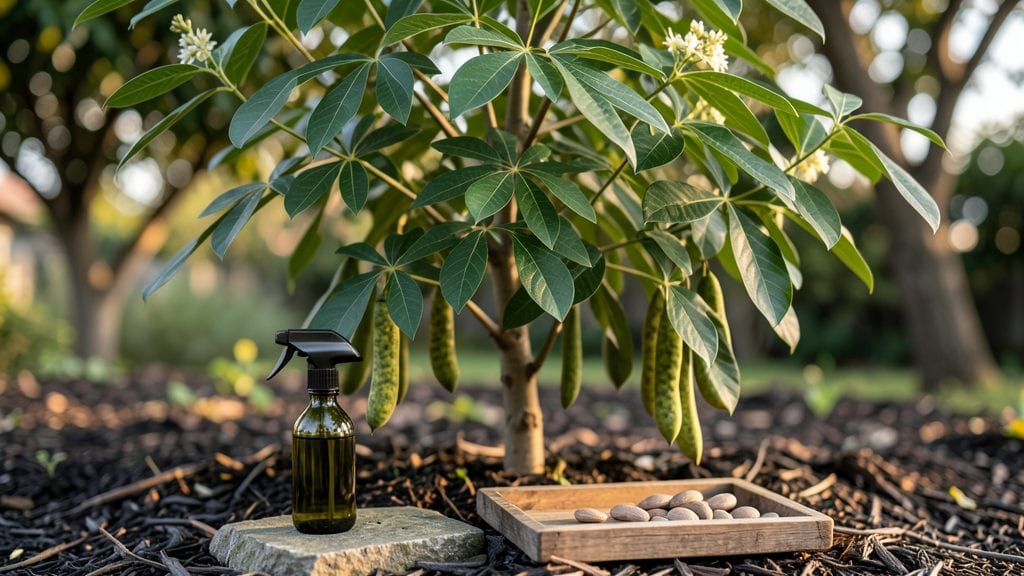
This natural extract works by disrupting pests' life cycles and smothering fungal spores, making it a go-to for organic gardeners. 🌱 For instance, a simple spray of diluted neem oil can eliminate aphids within days, while soil applications strengthen plant roots by promoting beneficial microbes.
Many gardeners swear by its effectiveness for both preventive care and treating active infestations.
What sets neem oil apart is its dual action—it doesn't just kill pests but also deters future problems. Unlike synthetic chemicals, it breaks down harmlessly in the environment, making it safe for pets and pollinators when used correctly.
I recommend applying it in the early morning or late evening to avoid harming bees and other beneficial insects.
💡 In This Article
- How Neem Oil Works Against Garden Pests and Fungi
- DIY Neem Oil Sprays and Soil Treatments for Every Plant
How neem oil works against garden pests and fungi
Neem oil's power comes from its complex chemical profile, where the star compound is azadirachtin, a natural insect antifeedant and growth regulator. This compound disrupts the feeding habits of soft-bodied insects like aphids by interfering with their hormone systems, preventing them from molting properly.
Studies show azadirachtin can reduce aphid populations by up to 90% within 72 hours of application when used at a concentration of 1-2%. The oil's fatty acids also play a role by coating insects, causing dehydration and suffocation—especially effective against mites and whiteflies.
The fungicidal properties stem from triterpenoids like nimbin and gedunin, which disrupt fungal cell membranes by altering their permeability. This creates leaks in the fungal cells, preventing them from maintaining proper hydration and nutrient balance.
For powdery mildew, neem oil's fatty acids form a protective film on plant surfaces that physically blocks spore germination. What's fascinating is how these compounds work synergistically—azadirachtin handles the pests while triterpenoids tackle fungal infections simultaneously.
What makes neem oil particularly effective is its systemic properties. When applied to soil or foliage, some compounds get absorbed by plant tissues and move throughout the plant systemically. This means protection isn't just surface-level—it continues working internally for up to 2-4 weeks after application.
The oil's allelopathic compounds further enhance its soil benefits by suppressing harmful nematodes and pathogenic microbes while promoting beneficial soil bacteria that improve nutrient cycling.
Temperature plays a crucial role in neem oil's effectiveness. The optimal application range is 60-85°F—below 50°F, the oil becomes less effective as its compounds become less active. This is why gardeners in cooler climates should consider using a horticultural oil blend that includes emulsifiers to improve cold-weather performance.
The oil's strong aroma (often described as bitter and earthy) also acts as a natural repellent, deterring pests before they even make contact with treated plants.
One often overlooked mechanism is how neem oil affects plant physiology. When applied correctly, it can trigger induced systemic resistance in plants, similar to how some plants respond to mild pathogen attacks. This means treated plants develop stronger natural defenses against future pest and disease challenges.
The key is consistency—regular applications every 2-4 weeks during growing seasons maintain this protective effect while allowing the plant's natural defenses to strengthen over time.
For gardeners dealing with resistant pest populations, combining neem oil with other organic methods like companion planting or beneficial insects creates a more robust defense system. The oil's broad-spectrum action makes it particularly valuable for organic growers who want to avoid chemical pesticides.
What's impressive is how this single natural product can address multiple garden challenges—from above-ground pests to below-ground soil health—all while breaking down harmlessly in the environment.