Watering
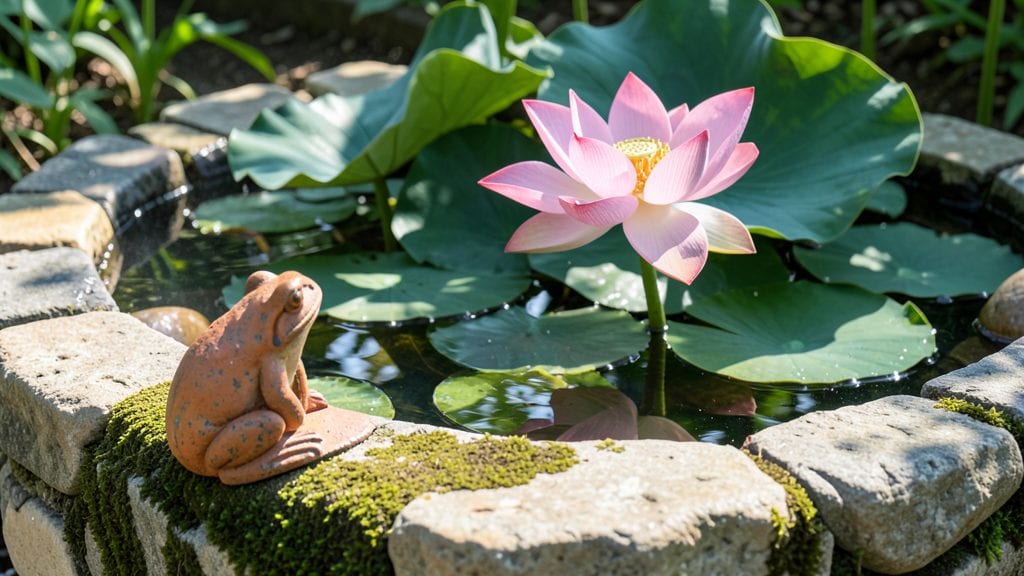
A water garden park transforms your yard into a tranquil retreat where every ripple tells a story. I built mine after years of dreaming about the sound of water masking city noise—now my backyard feels like a hidden sanctuary.
The key isn’t just the pond itself but the native plants that turn it into a thriving ecosystem where fish, frogs, and dragonflies all have a home.
Start with a design that balances movement and stillness: a small fountain for gentle sound, a deeper pond for aquatic plants, and maybe a winding stream to connect them.
Use rocks and boulders to create natural edges, and choose plants like water lilies, pickerelweed, and blue flag iris—they’re tough, beautiful, and perfect for attracting pollinators. The best part? You’ll spend less time maintaining because native plants know how to survive where they belong.
By summer’s end, you’ll have a space that hums with life—crisp morning air carrying the scent of mint and damp earth, dragonflies darting over the water’s surface, and the occasional splash of a fish breaking the surface.
The water stays clear with minimal effort, and the whole garden becomes a magnet for neighbors who can’t believe you built it yourself.
Works in any size yard, from a cozy corner plot to a sprawling backyard. The secret is starting small—even a single pond can change everything. Let’s make your outdoor space the envy of the neighborhood.
📚 In This Guide
- What you need
- Instructions
- Tips and common mistakes
- Wrapping up and next steps
What you need
- ● Pond Liner: EPDM rubber (10–20 mil thick) or PVC, sized to fit your pond’s dimensions (e.g., 10’ x 15’ for a medium pond).
- ● Native Aquatic Plants: 3–5 species (e.g., water lilies, pickerelweed, cattails). Check local suppliers for climate-appropriate varieties.
- ● Gravel/Sand: 2–3 cubic yards of washed gravel (1/4"–1/2" size) for drainage and planting.
- ● Pump & Filter System: A submersible pump (500–1,500 GPH) + biofilter (e.g., sponge or ceramic media).
- ● Rocks & Boulders: 5–10 large stones (12"–24" diameter) for aesthetics and habitat.
- ● Shovel, rake, and level (for digging/excavation).
- ● Measuring tape, string, and stakes (to mark pond shape).
- ● Utility knife (for cutting pond liner).
- ● Wheelbarrow (for moving gravel/soil).
- ○ Optional: Pond vacuum, algae scrubber, or solar fountain kit for extra flair!
- ● Location: Partial shade (4–6 hours of sunlight/day) + easy water access for filling.
- ● Permits: Check local regulations—some areas require approval for water features.
- ● Safety: Wear gloves and closed-toe shoes when handling rocks/tools.
Step-by-Step instructions for creating a serene pond ecosystem
Transform your backyard into a tranquil retreat with a balanced pond that thrives on native plants.
Design and Prepare the Pond Site
Start by marking the pond shape with spray paint or a garden hose—aim for 6-8 feet in diameter for a balanced ecosystem. The depth should vary between 12-18 inches in the center and 6-8 inches at the edges to accommodate both aquatic and marginal plants. I always sketch a rough outline first to visualize the flow and ensure it fits naturally into the landscape.
Once the shape is finalized, dig out the soil using a shovel and wheelbarrow. Remove any rocks or debris, and smooth the edges with a garden rake. Line the pond with a flexible pond liner (like EPDM rubber) to prevent leaks. Overlap the edges by 6-8 inches and bury them under 2-3 inches of soil to secure them. This ensures a watertight seal that will last for years.
Add Filtration and Circulation
Place a submersible pond pump (rated for 1,000-1,500 gallons per hour) at the deepest point of the pond. This keeps water moving and prevents stagnation. Connect it to a biofilter media bag filled with ceramic rings or lava rock—these materials create surface area for beneficial bacteria to grow, breaking down waste naturally.
Install a small waterfall or fountain feature at one edge to aerate the water and add movement. Position the pump so water flows gently over a smooth rock ledge into the pond. This not only enhances the serene atmosphere but also helps oxygenate the water, which is crucial for a healthy ecosystem. Test the flow before adding plants to ensure everything is balanced.
Plant Native Aquatic and Marginal Species
Begin by adding oxygenating plants like water hyacinth or hornwort to the deepest sections. These plants thrive in 6-12 inches of water and help keep the ecosystem in balance by absorbing excess nutrients. Next, plant marginal species such as cattails or pickerelweed around the edges, where the water is 2-4 inches deep. These will establish quickly and provide habitat for wildlife.
For a natural look, space plants 12-18 inches apart to allow room for growth. Use a small trowel to create shallow holes and gently place each plant, ensuring the roots are covered but not buried too deeply. Avoid overcrowding—this can lead to competition and stunted growth. Water the newly planted areas lightly to help them settle into their new home.
Introduce Fish and Wildlife Support
After 4-6 weeks, once the plants are established, introduce 3-4 koi or goldfish to the pond. Start with a small number to avoid overloading the system. These fish will help control mosquito larvae and add movement to the water. Choose fish that are 2-3 inches long to ensure they can handle the pond’s environment without stress.
Add a few smooth river rocks around the edges to create hiding spots for frogs and dragonflies. These creatures will naturally balance the ecosystem by eating mosquitoes and algae. Avoid adding too many rocks at once—start with 5-6 large stones and observe how the ecosystem responds before making further adjustments.
Maintain Balance and Enjoy the Ecosystem
Check the water level weekly and top off with dechlorinated water as needed. Use a pond net to remove fallen leaves and debris every 2-3 weeks to prevent buildup. Trim overgrown plants seasonally to keep the pond looking its best and maintain a healthy balance.
In late fall, reduce feeding fish and remove any dead plant matter to prepare for winter. If your climate experiences freezing temperatures, ensure the pond pump is winterized or use a floating de-icer to keep a small area of water open. This prevents the entire pond from freezing solid, which can harm fish and plants. With minimal upkeep, your pond will thrive for years, offering a serene escape right in your backyard.
Tips & tricks for perfecting your serene pond ecosystem
Creating a thriving pond ecosystem takes thoughtful planning—here are the key insights I’ve learned to ensure your water garden park flourishes from day one.
Design with Flow in Mind: In Step 1, when sketching your pond shape, consider how water will circulate naturally. I always add subtle curves to the edges rather than sharp angles, as this prevents stagnant areas where algae might accumulate. The goal is to create a continuous flow that mimics nature—think of how streams meander rather than cut straight lines. This design principle also makes maintenance easier down the road.
Liner Installation Secrets: The overlap and burial depth of your pond liner (6-8 inches overlap, 2-3 inches buried) are critical for longevity. I’ve found that using a heavy-duty liner like EPDM rubber pays off in the long run—it’s flexible enough to handle temperature changes without cracking. For extra security, especially in sloped areas, add a layer of underlayment fabric beneath the liner to prevent punctures from rocks or roots.
Plant Placement Strategy: When planting in Step 3, remember that the deepest sections (12-18 inches) should get your oxygenating plants like water hyacinth, while marginal species like cattails belong in the shallower edges (2-4 inches). I like to create a gradual transition zone where the water depth tapers from 6-8 inches to 2-4 inches—this mimics natural wetland ecosystems and gives plants the perfect conditions to thrive. Space them 12-18 inches apart to prevent overcrowding, which can lead to competition and poor growth.
Winter Preparation is Key: As you plan for maintenance in Step 5, don’t overlook winterizing—this is where many ponds fail. If you live in a freezing climate, install your floating de-icer in early fall before the first hard freeze. I’ve seen ponds completely ice over when owners wait too long, which can suffocate fish and damage plants. Even in milder climates, reduce fish feeding by half in late fall to help them prepare for slower metabolism during winter months.
Pro Tips for Water Garden Park
- Creating a thriving pond ecosystem takes thoughtful planning—here are the key insights I’ve learned to ensure your water garden park flourishes from day one.
- Design with Flow in Mind: In Step 1, when sketching your pond shape, consider how water will circulate naturally.
- Liner Installation Secrets: The overlap and burial depth of your pond liner (6-8 inches overlap, 2-3 inches buried) are critical for longevity.
Frequently asked questions
Got questions about creating or maintaining a water garden park? You’re not alone! Here are some of the most common queries—and their answers—to help you dive in with confidence.
What’s the best time of year to plant a water garden?
The ideal time is early spring (after the last frost) or early fall when temperatures are mild. This gives plants time to establish roots before extreme heat or cold. Avoid planting in summer—intense sun and heat stress young aquatic plants.
Do I need a professional to design my water garden?
Not necessarily! For small ponds or simple designs, DIY is totally doable with research. However, for larger projects (like waterfalls or filtration systems), consulting a landscape professional ensures proper drainage, plant selection, and ecosystem balance. Pro tip: Start small and expand as you gain experience!
How do I keep pests like frogs or insects out of my water garden?
Most amphibians and insects are harmless and even beneficial (like dragonflies eating mosquitoes). To deter unwanted critters, avoid overfeeding fish, remove decaying plant matter, and install fine mesh over water features. If pests become problematic, native plants with strong scents (like cattails) can help naturally repel them.
What’s the easiest low-maintenance water feature for beginners?
A preformed pond liner or a simple bog garden (shallow water with marginal plants) requires minimal upkeep. For zero-maintenance, consider a recirculating fountain with a small pump—just add a few hardy plants like water lilies or pickerelweed for a lush look.
Why is my water garden turning green or cloudy?
Green or murky water usually signals an algae bloom, often caused by excess sunlight, nutrients (like fish waste), or poor filtration. Fix it by:
- Adding shade plants (e.g., water hyacinth) to reduce sunlight.
- Installing a UV clarifier or increasing aeration.
- Reducing fish stock or feeding frequency.
Wrapping up and next steps
A water garden park isn’t just a tranquil retreat—it’s a thriving ecosystem that brings nature’s beauty to your space while supporting local wildlife. By choosing native plants and mindful design, you create a sustainable haven that’s easy to maintain and bursting with life. 🌿
Ready to dive in? Start small—whether it’s a single pond or a full garden—then expand as your green thumb grows! Your future self (and the birds, bees, and frogs) will thank you.
Next step:
- Sketch your design
- Gather materials
- Plant with purpose!