Picking
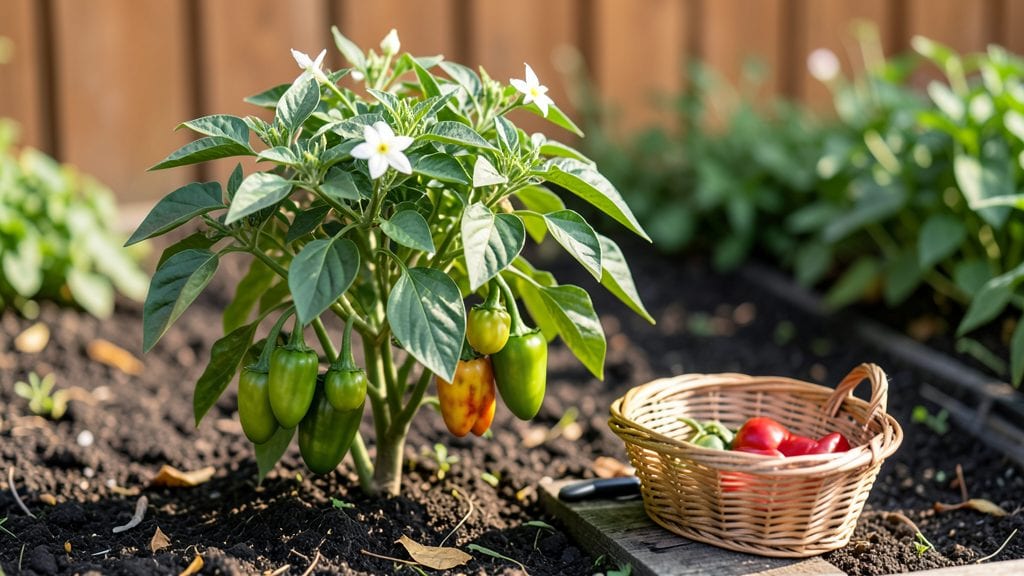
Picking garden salsa peppers at the right moment transforms their heat and flavor from good to extraordinary—and missing the window can leave you with disappointing, mealy pods.
Picture this: you’ve waited months for your 🌶️ plants to burst with color, only to harvest too early and end up with bland, underripe peppers that lack the depth you crave. The secret lies in knowing exactly when to pluck them for peak spice, texture, and sweetness.
Color isn’t the only clue—firmness, size, and even the way they feel in your hand play a role.
Environmental factors like your local climate or the specific variety can shift the ideal harvest time, so I’ll break down the color-coded ripeness stages and the subtle cues that tell you it’s time to pick.
By the end, you’ll know how to test readiness, store your harvest, and avoid the three biggest mistakes that ruin flavor—so every salsa, stir-fry, or roasted pepper dish sings with the boldness you’ve been waiting for.


Color-coded ripeness stages for garden salsa peppers
Your salsa peppers don’t just change color—they transform into flavor powerhouses as they ripen. Each color stage signals a different heat profile and flavor complexity, from grassy green to sweet, smoky red.
Knowing when to harvest these vibrant peppers ensures you capture their peak intensity, whether you're making fresh salsas or drying for winter. Let’s break down the color-coded ripeness stages so you never miss the perfect moment.
Green peppers are the youngest stage, packed with bright acidity and a crisp texture. They’re often harvested early for pickling or stir-fries, but their heat levels are milder compared to fully ripened varieties.
If you’re growing jalapeños or serranos, green peppers can still deliver a punch—but wait for color shifts to unlock deeper flavors. These peppers are firm and glossy, signaling they’re ready for early harvest if you prefer a tangier bite.
Yellow peppers arrive next, signaling a sweeter, fruitier profile with a slight citrusy undertone. Their heat intensity softens as sugars develop, making them ideal for raw dishes or roasting. Look for a vibrant golden hue and a slight softening of the skin—this is your cue to harvest.
Yellow salsa peppers like yellow jalapeños or yellow wax peppers are often overlooked but add a unique depth to salsas and sauces.
Orange peppers are where things get complex. Their caramel-like sweetness blends with lingering heat, creating a balanced flavor perfect for slow-cooked dishes. The skin may have a matte finish, and the pepper will feel slightly heavier.
Orange jalapeños or habaneros at this stage are a gardener’s secret weapon—they’re sweeter but still pack a fiery kick. Harvest them when the color is deep and even.
Red peppers are the culmination of ripeness, offering the richest flavor and deepest heat. Their sweetness peaks, while the spice mellows into a smoky warmth. Red jalapeños or serranos are ideal for drying or making homemade salsa because their flavors intensify over time.
Wait until the pepper is fully vibrant red and slightly soft to the touch—this is when they’re at their most flavorful.
🌶️
Timing your harvest isn’t just about color—it’s also about environmental factors. Hot climates can speed up ripening, so peppers may shift from green to red in 6-8 weeks instead of the usual 8-12 weeks.
Conversely, cooler summers might slow the process, so monitor your plants closely. If you’re in a short growing season, consider harvesting green peppers earlier to avoid losing your crop to frost.
Pro tip: Morning harvests are best because peppers are cool and firm, making them easier to handle. Use a sharp pair of pruning shears to avoid damaging the plant, and always leave a small stem attached to preserve freshness.
Store your freshly picked peppers in a paper bag in the fridge for up to 2 weeks, or dry them for long-term storage.
Don’t overlook variety-specific cues. Some jala
How to test pepper ripeness beyond color: touch, size, and stem clues
Color isn’t the only way to judge when your garden salsa peppers are ready for harvest. While vibrant hues signal ripeness, texture, size, and stem cues reveal hidden clues about flavor and heat potential.
I’ve learned that ignoring these tactile signals can mean missing peak harvest windows—or worse, picking peppers that taste bland or overly bitter.
For example, a green jalapeño might look perfect but feel rubbery to the touch, while a red poblano could be glossy yet still underripe. Mastering these physical ripeness tests ensures you harvest at the exact moment when heat and sweetness peak.
Let’s break down the three key methods I use to test ripeness beyond color.
- 1. The Firmness Test: Gently press the pepper with your thumb. A ripe pepper should yield slightly (like a ripe avocado) but not feel mushy. Overripe peppers collapse under pressure, while underripe ones feel hard as a rock.
- 2. Size Matters: Compare peppers to their mature size for the variety. For jalapeños, aim for 2–3 inches long; serranos should be 1–2 inches. Smaller peppers often lack full flavor.
- 3. Stem Snap Test: Grasp the pepper’s stem and bend it gently. A ripe pepper’s stem should snap cleanly at the base. If it resists or tears, the pepper isn’t ready.
- 4. Weight Check: Hold the pepper in your palm—ripe peppers feel heavy for their size due to concentrated sugars and oils. Light peppers are usually underripe.
- 5. Glossy Skin: A slightly shiny surface indicates ripe peppers. Dull or wrinkled skin signals overripeness or dehydration.
I’ve found that morning harvests work best because peppers are cooler and firmer, making it easier to assess ripeness. If you’re unsure, pick a few peppers at different stages—some might surprise you with unexpected heat levels when fully ripe.
For instance, green serranos can pack more heat than their red counterparts, so don’t dismiss them just because they’re not red!
Another pro tip: Check the calyx (the stem’s base). If it’s dry and papery, the pepper is overripe. But if it’s still green and slightly sticky, the pepper is fresh and ready.
This tiny detail has saved me from harvesting peppers that were past their prime. Pairing these tests with color cues gives you a foolproof ripeness guide for any pepper variety.
Remember, environmental factors like temperature and sunlight can speed up or slow down ripening. In hot climates, peppers may ripen faster, while cooler weather can stall development.
Adjust your harvest timeline accordingly—your garden’s microclimate is your best teacher. With practice, you’ll develop a sixth sense for knowing exactly when to pick.
Once you’ve mastered these techniques, you’ll never second-guess your harvest again. The difference between a mediocre salsa and a bold, fiery masterpiece often comes down to picking peppers at their peak. Happy harvesting!