Picking
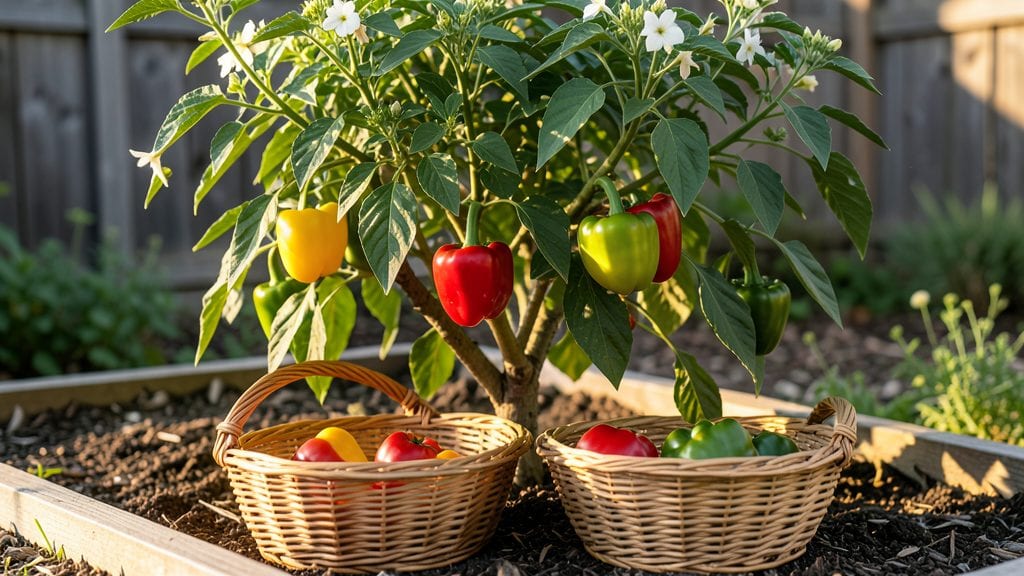
Picking peppers from your garden at the perfect moment unlocks their full flavor—wait too long, and you’re left with tough skins and bitter surprises.
🌶️ I’ve watched my peppers go from sweet and glossy to wrinkled and seedy in just days, and there’s a simple trick to catching them at their peak. The right timing isn’t just about color—it’s about size, firmness, and even the way they feel when you twist them.
If you’ve ever guessed wrong and ended up with a harvest that’s either too green or past its prime, you know how frustrating it can be. But here’s the good news: with just a few visual cues and a little practice, you’ll never second-guess your timing again.
Below, I’ll break down exactly what to look for—from the ideal size to the telltale snap of a ripe pepper—and how to store them so they stay fresh for weeks.


How to determine pepper ripeness by color and size
Peppers mature through distinct stages, and knowing when to pick them ensures the best flavor and texture. The color and size of peppers are your primary indicators—but not all varieties follow the same rules.
For example, bell peppers turn from green to red, while jalapeños stay green or ripen to red, yellow, or orange. Even heirloom varieties like Black Hungarian peppers may surprise you with their ripening patterns.
Most gardeners focus on color changes as the key signal, but size and firmness also play critical roles. A pepper that’s fully colored but still small may not be fully ripe, while one that’s large but soft might be overripe.
Understanding these cues helps you avoid bitter flavors or shriveled peppers that lose quality. Let’s break down the stages so you can pick peppers at their peak.
| Maturity Stage | Color Indicators | Size Range | Firmness | Flavor Profile | Common Varieties |
|---|---|---|---|---|---|
| Immature (Green) | Bright green (uniform) | 50-75% of mature size | Firm but slightly softening | Crisp, mild, less sweet | Bell peppers, jalapeños, serranos |
| Early Ripening (Yellow/Orange) | Shifting to yellow or orange | 75-90% of mature size | Firm, glossy skin | Sweeter, slightly tangy | Banana peppers, poblano, shishito |
| Fully Ripe (Red) | Deep red, purple, or brown | Full mature size | Very firm, thick skin | Sweetest, richest flavor | Bell peppers, cayenne, Black Hungarian |
| Overripe | Dull green, wrinkled, or spotted | Same or shrinking | Soft, leathery, or hollow | Bitter, seedy, or fermented | All varieties (if neglected) |
| Heirloom Exceptions | May stay green, turn black, or striped | Varies by variety | Firm when ripe | Unique, often complex | Anaheim, Chocolate, Fish peppers |
For most bell peppers, the transition from green to red signals peak ripeness, but don’t wait too long—once they turn dull or wrinkled, they’ve passed their prime. Jalapeños and serranos, on the other hand, can be picked green for a milder kick or left to ripen for a sweeter, fruitier taste. Heirloom varieties like Black Hungarian peppers may turn deep purple or almost black, so always check your seed packet for specific cues.
Size matters just as much as color. A jalapeño should be at least 3 inches long before picking, while a bell pepper might need to reach 4-6 inches in diameter.
If you’re growing pepperoncini or other small varieties, compare them to similar peppers in your garden or reference photos from seed catalogs. Firmness is another key test—press gently with your thumb. A ripe pepper should feel solid and slightly springy, not mushy or hollow.
One common mistake is assuming all peppers ripen the same way. For instance, shishito peppers are typically harvested when still green, even though they can turn yellow or red.
Meanwhile, poblano peppers often ripen to a deep green before turning red, so timing your harvest based solely on color can lead to missed opportunities. Always consider the variety’s intended use—some are best picked young for cooking, while others shine when fully mature.
Climate also affects ripening. In hotter regions, peppers may ripen faster and turn colors more intensely, while cooler summers can slow the process. If your peppers aren’t changing color by late summer, they might need a calcium boost (like crushed eggshells) or more sun exposure.
Conversely, if they ripen too quickly, consider harvesting them earlier to avoid overripeness. Pay attention to your local growing conditions and adjust your expectations accordingly.
Pro tip: Use a harvest journal to track the ripening stages of your peppers. Note the days to maturity for each variety, the colors they turn, and how the flavors compare at different stages. This helps you refine your timing in future seasons.
For example, you might discover that your cayenne peppers taste best when picked at yellow rather than red, or that your bell peppers never fully redden in your climate.
If you’re unsure whether a pepper is ready, err on the side of caution and pick it early. Peppers continue to ripen off the plant, so you can let them finish maturing indoors in a sunny windowsill or on a countertop.
This is especially useful for heirloom varieties that take longer to ripen or in regions with early frost dates. Just avoid storing them in the fridge, as the cold can dull their flavor and texture.
Finally, remember that harvest frequency encourages more production. Picking peppers regularly—whether green or ripe—triggers the plant to produce new flowers and fruits. This is why commercial growers often harvest peppers every 2-3 days during peak season.
The more you pick, the more your pepper plants will reward you with a bountiful harvest all season long.
Common mistakes that ruin pepper harvest timing
Waiting too long to harvest your peppers can turn sweet, flavorful fruits into bitter, tough disappointments. The longer peppers stay on the vine past their prime, the more their capsaicin levels rise, creating that sharp, spicy kick we all want to avoid.
Even green bell peppers can develop unwanted heat if left hanging.
Another common blunder is assuming all green peppers will eventually ripen to red. Some varieties, like Banana peppers or jalapeños, are meant to stay green and never turn red. Harvesting them too late ruins their delicate flavor profile, making them tough and less enjoyable.
Overripe peppers also attract pests like aphids and fruit flies, which can spread to other plants in your garden. Plus, once peppers start to wrinkle or soften, they won’t improve—they’ll only deteriorate faster.
⚠️⚠️ Don’t Wait Until Peppers Turn Bitter!
Overripe peppers develop higher capsaicin levels, making them spicier and tougher. Green peppers meant to stay green (like Banana or jalapeño varieties) won’t improve—they’ll just get rubbery. Red peppers lose sweetness if left too long. Harvest when firm, glossy, and fully colored for the best flavor!
One of the biggest surprises is that color isn’t always the best indicator. For example, red bell peppers should be deep red and firm, but if they’ve been on the vine too long, they’ll start to dry out or shrivel.
Meanwhile, yellow or orange peppers can turn bitter if left hanging past their peak.
Even heirloom varieties have specific harvest windows. Some, like Poblano peppers, are best picked when dark green and firm, while others, like Habanero, should be harvested when they reach their mature orange or red color. Ignoring these cues means sacrificing flavor and texture.
To avoid these mistakes, check your peppers weekly. Gently squeeze them—if they feel firm and heavy for their size, they’re ready.
If the stem snaps cleanly when twisted, that’s another sign it’s time to harvest. Never wait until peppers start to soften, as that’s a clear sign they’ve passed their prime.