Landscaping
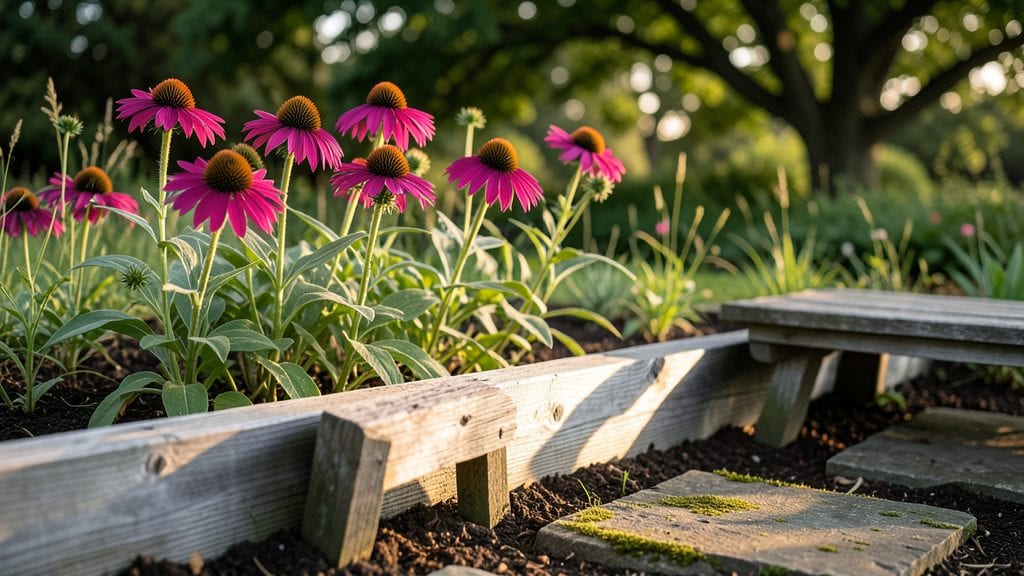
Designing a wildflower garden that buzzes with life from spring to frost isn't just possible—it's easier than you think. 🌸 I've transformed dull corners of my yard into vibrant pollinator hotspots by layering plants that bloom at different times, creating a never-ending show for bees, butterflies, and hummingbirds.
The secret lies in mixing native wildflowers with varying heights and bloom cycles—tall coneflowers in back, mid-height black-eyed Susans in the middle, and low-growing creeping thyme up front. This creates depth while ensuring flowers appear from March through November.
My first attempt used only one type of wildflower and lasted just six weeks; this layered approach keeps the garden lively all season.
You'll end up with a garden that hums with activity, stays colorful even when nothing else blooms, and requires less maintenance than a traditional flowerbed. The soil stays healthier too, as wildflowers prevent erosion and attract beneficial insects that keep pests in check. Plus, the fragrance—especially on warm evenings—is unforgettable.
Works in any yard size, from a small city lot to a rural meadow. The key is starting small: one section at a time lets you refine your palette before expanding. Ready to design your own pollinator paradise?
📚 In This Guide
- What you need
- Instructions
- Tips and common mistakes
- Wrapping up and next steps
What you need
- ● Wildflower seeds: Choose native species (e.g., coneflowers, black-eyed Susans, milkweed). Aim for 1–2 lbs per 100 sq ft for full coverage.
- ● Soil: Well-draining, native topsoil or a mix of 60% topsoil, 30% compost, 10% sand (test pH if needed; most wildflowers thrive in 6.0–7.5).
- ○ Mulch (optional but recommended): Straw or wood chips (2–3 inches deep) to retain moisture and suppress weeds.
- ● Watering system: Drip irrigation or a soaker hose (critical for the first 2–3 weeks post-planting).
- ● Garden bed tools: Hoe or broadfork (for soil prep)
- ● Rake (to level the bed)
- ● Garden gloves (for comfort)
- ● Seed starter kit: For indoor sowing (if extending your growing season).
- ● Pollinator-friendly add-ons: Rocks or logs (for habitat diversity)
- ● Birdhouses or bat boxes (to attract predators of pests)
- ● Fencing or edging: To define your garden and keep out critters (1–2 ft tall for small gardens).
- ● Labeling tags: For tracking seed varieties and bloom times.
Step-by-Step instructions for designing a pollinator-powered wildflower garden
Here's how to create a thriving, layered wildflower garden that keeps blooms—and pollinators—coming all year.
🌱 Step 1: Assess Your Site and Choose Native Species
Start by evaluating your garden's sunlight, soil, and climate. Wildflowers thrive where they're native, so research region-specific species that match your conditions. I always check the USDA Plant Hardiness Zone map to ensure the plants I choose will survive winter. For example, black-eyed Susans and coneflowers love full sun and well-drained soil, while wild columbine tolerates partial shade and moist conditions.
Sketch a rough layout of your space, noting areas with full sun, partial shade, and shady spots. This helps you plan which wildflowers will thrive where. I like to divide my garden into three layers: tall grasses and perennials in the back, mid-height bloomers in the middle, and low-growing ground covers in the front. This creates depth and ensures every pollinator—from bees to butterflies—has a landing spot.
🪴 Step 2: Prepare the Soil and Divide Into Layers
Wildflowers don’t need rich soil, but they do require good drainage. If your soil is heavy clay, mix in 2-3 inches of compost or sand to improve aeration. Avoid tilling deeply—wildflowers often have shallow roots and benefit from undisturbed soil. I like to loosen the top 4-6 inches with a broadfork or garden fork, breaking up compacted layers without turning the soil over completely.
Divide your garden into the three layers I mentioned earlier. The back layer (3-5 feet tall) should include tall grasses like switchgrass or perennials like Joe Pye weed. The middle layer (1-3 feet tall) can feature coneflowers, bee balm, or milkweed. The front layer (under 1 foot tall) should consist of low-growing wildflowers like creeping phlox or wild strawberry. This arrangement mimics natural ecosystems and ensures continuous blooms from spring to fall.
☀️ Step 3: Plant in Clusters for Maximum Impact
Unlike manicured lawns, wildflower gardens look best when planted in naturalistic clusters. Group 5-10 plants of the same species together to create bold patches of color and attract pollinators. I space clusters 12-18 inches apart, depending on the mature size of the plant. For example, purple coneflowers need about 18 inches of space, while wild bergamot can handle 12 inches. This density encourages pollinators to linger and increases the chances of successful seed set.
Plant seeds or transplants in early spring or fall, when soil temperatures are cool. If using seeds, lightly cover them with ¼ inch of soil and water gently. Avoid pressing seeds into the soil—wildflowers often need light to germinate. Water deeply once a week for the first month to help roots establish, then taper off as plants become self-sufficient.
✂️ Step 4: Maintain with Minimal Intervention
Wildflowers are low-maintenance, but they do need occasional care. After the first year, you’ll see self-seeding—some plants will spread on their own, filling in gaps naturally. I like to deadhead spent blooms in late summer to encourage a second flush of flowers, but this is optional. In early spring, cut back brown stems to 4-6 inches tall to promote new growth. Avoid mowing until late summer or fall, when most wildflowers have finished seeding.
Water only during drought periods, as established wildflowers are drought-tolerant once rooted. If your garden is new, keep an eye on moisture levels—soil should feel dry 1-2 inches down before watering again. Mulch with straw or leaves in winter to protect roots from freezing temperatures. Over time, your garden will develop its own rhythm, with some plants fading while others take over naturally.
💧 Step 5: Encourage Year-Round Blooms with Succession Planting
To keep your garden blooming from early spring to late fall, mix early, mid, and late-season wildflowers. For example, plant Virginia bluebells (spring), black-eyed Susans (summer), and goldenrod (fall). I also include evergreen ground covers like wintergreen or creeping thyme to add winter interest. This layering ensures pollinators always have fresh nectar and pollen sources.
Every 2-3 years, thin out overcrowded areas by dividing clumps or removing weak plants. This prevents competition for resources and keeps your garden vibrant. Watch for invasive species like Japanese knotweed or garlic mustard—remove them immediately to protect your native wildflowers. With minimal effort, your garden will become a pollinator paradise, supporting bees, butterflies, and birds for decades.
Tips & tricks for perfect pollinator gardens
Creating a thriving wildflower garden isn't just about planting seeds—it's about designing for pollinators. Here are the key strategies that make all the difference between a pretty garden and a pollinator magnet.
Native Species Selection: The foundation of your garden starts with choosing plants that evolved alongside local pollinators. I can't stress enough how important this is—native bees have specialized relationships with native flowers that cultivated varieties often can't support. For example, milkweed is essential for monarch butterflies, while bee balm attracts hummingbirds. Always check your local native plant society's recommendations—they know which species will thrive in your specific climate and soil conditions.
Layering for Continuous Bloom: The three-layer approach from Step 2 is your secret weapon for year-round interest. In the back layer, I recommend including switchgrass or little bluestem—these tall grasses provide vertical structure and nesting sites for birds. For the middle layer, mix perennials with different bloom times like coneflowers (summer) and goldenrod (fall). In the front layer, add creeping thyme for early spring blooms and ground cover. This layering creates microhabitats at different heights, which is crucial for pollinators with varying flight patterns.
Soil Preparation Insight: When loosening the top 4-6 inches of soil in Step 2, think of it as creating a sponge rather than turning the soil. Wildflowers have shallow roots that need good air circulation but don't require deep cultivation. I've found that adding 2-3 inches of compost improves moisture retention without creating a nitrogen-rich environment that might favor weeds. For clay soils, incorporate coarse sand to break up compaction—this is particularly important for plants like wild columbine that need well-drained conditions.
Cluster Planting Strategy: The 5-10 plant clusters in Step 3 might seem small, but this density is what attracts pollinators. Bees and butterflies use visual landmarks to locate flowers, and these clusters create "beacon" patches that are much easier to find than scattered individual plants. For maximum impact, arrange clusters in a way that guides pollinators through your garden—place early bloomers like Virginia bluebells near pathways so visitors can follow the nectar trail. This intentional arrangement turns your garden into a pollinator highway.
Pro Tips for Wildflower Garden Design
- Creating a thriving wildflower garden isn't just about planting seeds—it's about designing for pollinators.
- Native Species Selection: The foundation of your garden starts with choosing plants that evolved alongside local pollinators.
- Layering for Continuous Bloom: The three-layer approach from Step 2 is your secret weapon for year-round interest.
Frequently asked questions
Got questions about creating a thriving wildflower garden?
You’re not alone! Here are answers to the most common queries to help you design a pollinator-friendly space with confidence.
When is the best time to plant wildflowers?
For spring blooms, sow seeds in early fall (6–8 weeks before frost) so they establish roots over winter. If planting in spring, wait until after the last frost when soil is warm. Summer planting is possible in cooler regions, but success depends on consistent moisture. Pro tip: Native wildflowers thrive best when planted in their natural season—check local guides for timing!
How do I attract more pollinators?
Choose a mix of nectar-rich flowers (like coneflowers, milkweed, and bee balm) and pollen sources (e.g., clover, goldenrod). Add water sources (shallow dishes with rocks) and avoid pesticides. Plant in clusters (3–5 feet wide) to create "pollinator highways." Bonus: Leave some "wild" areas—bees love untamed patches!
Do wildflowers need a lot of water?
Once established (after 1–2 years), most wildflowers are drought-tolerant. Water deeply 1–2 times per week during the first growing season to help roots develop. Mulch lightly to retain moisture. Exception: Some moisture-loving natives (like swamp milkweed) thrive in wetter soils—adjust based on your region’s climate.
Can I grow wildflowers in containers or small spaces?
Use deep pots (12+ inches) for taller varieties like sunflowers or cosmos, and shallow trays for low-growing flowers like alyssum or creeping thyme. Mix in native wildflower seeds with annuals for year-round color. Container hack: Add a layer of gravel at the bottom to prevent root rot in heavy pots.
What do I do if weeds take over?
Wildflowers compete with weeds best when planted densely. Hand-pull weeds early (before they seed) or use a hoe for larger areas. Mow high (3–4 inches) to shade out weeds without harming wildflowers. Prevention tip: Start with high-quality seed mixes—cheaper blends often include more weeds!
Will wildflowers spread and become invasive?
Most native wildflowers spread slowly and stay in check. Avoid non-native species like Himalayan balsam or knapweed, which can invade ecosystems. Stick to region-specific natives (check Wildflower.org for lists) and monitor growth. Happy medium: Deadhead spent blooms to control seed dispersal if needed.
Wrapping up and next steps
Designing a wildflower garden isn’t just about beauty—it’s about creating a thriving ecosystem that supports pollinators and brings joy year-round! 🌸 By blending seasonal layers, native plants, and thoughtful placement, you’ve got everything you need to craft a vibrant, low-maintenance space that flourishes with life.
Whether you’re a seasoned gardener or just starting, every bloom and buzz is a step toward a greener, more connected world.
Ready to roll up your sleeves? Start small—pick one corner of your yard or a sunny patch—and let nature guide the rest. Your garden (and the pollinators!) will thank you. Happy planting! 🌿