
Tools
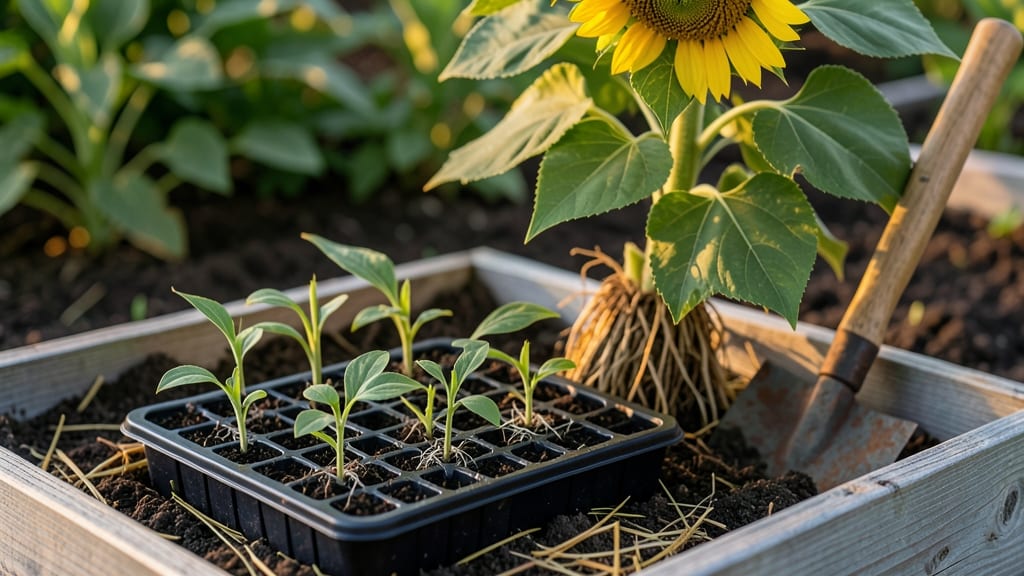
Planting corn, beans, and squash together isn't just gardening—it's a centuries-old partnership that feeds the land and the people. 🌽 The 3 Sisters method creates a self-sustaining ecosystem where each plant supports the others, reducing pests, improving soil, and boosting yields naturally.
My first attempt last summer produced corn taller than my waist, beans climbing like vines in a race, and squash spreading into a living mulch—all without synthetic fertilizers.
This ancient Native American technique thrives in full sun and well-draining soil, but it adapts beautifully to small spaces too. You'll need just three plants—corn as the sturdy stalk, beans to fix nitrogen, and squash to shade the soil—plus a sunny patch about 4 feet wide.
The magic happens when you plant them close: corn provides shade for beans, beans feed the soil, and squash blocks weeds. Even urban gardeners with balconies can try this in large containers.
By midsummer, you'll have a lush, buzzing garden that attracts pollinators and repels pests on its own. The corn will tower, the beans will cascade, and the squash will sprawl like a green carpet, keeping the soil cool and moist.
This isn't just about growing food—it's about growing a relationship with the earth that works in harmony. Ready to plant your own living legacy?
Whether you're working with a quarter-acre plot or a tiny backyard, the principles stay the same. The 3 Sisters method proves that gardening can be both productive and regenerative—no fancy tools required. Here's how to get started with the right spacing, soil prep, and planting timeline for your climate.
📚 In This Guide
- What you need
- Instructions
- Tips and common mistakes
- Wrapping up and next steps
What you need
- ● Seeds: Native or heirloom corn seeds (e.g., Flint Corn or Black Aztec) – 1–2 lbs (enough for 100–200 plants).
- ● Native pole beans (e.g., Lacinto, Kentucky Wonder) – ½ lb (200–300 seeds).
- ● Native squash (e.g., Winter Luxury, Warty Squash) – 3–5 seeds (2–3 plants max).
- ● Soil: Well-draining, nutrient-rich soil (amend with compost or aged manure if needed).
- ○ Optional: Native soil mix (if local soil is poor).
- ● Fertilizer: Balanced organic fertilizer (e.g., 5-5-5 or 10-10-10) – 1–2 lbs per 100 sq ft.
- ○ Wood ash (for potassium) – ½ cup per plant (optional, use sparingly).
- ● Garden bed: Raised bed or in-ground plot (4’ x 4’ minimum for optimal spacing).
- ● Hand tools: Trowel or transplanting knife.
- ● Garden fork or broadfork (for loosening soil).
- ● Pruners (for squash vines).
- ● Watering: Drip irrigation or soaker hose (¼ inch daily in dry spells).
- ● Watering can (for seedlings).
- ● Support: Tall stakes or trellis (5–6 ft) for beans (1 per 3–4 plants).
- ● Mulch (straw or leaves) to retain moisture and suppress weeds.
- ● Companion plants: Marigolds (pest deterrent) or Nasturtiums (edible & pollinator-friendly).
- ● Row covers (for early planting or pest protection).
- ● Journal or plant markers (to track varieties and spacing).
- ● Pollinator-friendly flowers (e.g., Coneflowers, Bee Balm) nearby.
Step-by-step instructions for planting the 3 Sisters garden
Planting corn, beans, and squash together creates a thriving ecosystem that supports pollinators and reduces pests.
🌱 Step 1: Choose and Prepare Your Planting Site
Select a sunny spot with 6+ hours of direct sunlight daily. The 3 Sisters thrive in well-draining soil with plenty of space—each plant needs 3-4 feet of room to grow. Clear the area of weeds and loosen the top 6 inches of soil with a garden fork to improve aeration.
I like to test the soil pH first—these plants prefer a neutral range of 6.0-7.0. If your soil is too acidic, mix in some lime; if it's alkaline, add sulfur. The goal is to create a fertile foundation where all three plants can flourish together.
🪴 Step 2: Plant Corn as the Anchor
Start by planting 4-6 corn seeds in a small cluster, about 1 inch deep and 4 inches apart. Corn acts as the "sister" that provides structure—its stalks will support the beans and shade the squash below. Thin to the strongest 2-3 plants once they reach 6 inches tall.
Here's the thing—corn needs consistent moisture, so water deeply after planting and keep the soil evenly damp until germination, which takes 7-10 days. Once sprouted, water at the base to prevent fungal diseases that can attack the leaves.
🌿 Step 3: Plant Beans Along the Corn Stalks
When your corn reaches 12 inches tall, plant 4-6 bean seeds near the base of each corn stalk, about 2 inches deep. Beans fix nitrogen in the soil, feeding the corn and squash naturally. Choose pole beans or bush beans—both work well in this setup.
Be patient here. Beans take 10-14 days to germinate, and they prefer warmer soil. If your early spring is chilly, wait until the soil reaches 60°F before planting. Once they sprout, you’ll see tiny leaves unfurling—this is when the magic starts.
☀️ Step 4: Add Squash as the Ground Cover
After the beans are established, plant 2-3 squash seeds around the base of the corn-bean cluster, about 1 inch deep and 3 feet apart. Squash spreads wide, shading the soil to retain moisture and suppress weeds. Its large leaves also protect the beans from heat stress.
Squash needs space, so don’t crowd it. If you’re short on room, opt for smaller varieties like bush-type summer squash. Water the area well after planting, and mulch with 2-3 inches of straw to keep weeds at bay and moisture locked in.
💧 Step 5: Maintain and Support the Trio
Water the garden 1-2 inches per week, focusing on the base of the plants. The corn and squash are heavy drinkers, while beans prefer slightly drier soil. Mulch helps regulate moisture—keep it 2-3 inches thick and replenish as it breaks down.
As the corn grows taller, gently weave the bean vines up the stalks for support. The squash will sprawl outward, creating a living mulch. Watch for pests—this trio deters many, but you might still spot squash bugs. Handpick them early to protect your harvest.
Tips & tricks for perfect 3 Sisters gardening
Creating a thriving 3 Sisters garden takes a little extra know-how—here's how to set yourself up for success.
Soil Prep is Everything: Before planting, consider adding a layer of compost to the top 6 inches of soil. This boosts fertility naturally and helps retain moisture—critical for the heavy drinkers like corn and squash. I like to mix in a handful of worm castings too, as they introduce beneficial microbes that support root growth. The 6.0-7.0 pH range is ideal, but don't stress if you're slightly off—these plants are resilient!
Planting Sequence Matters: The order of planting is intentional—corn first as the anchor, then beans when corn reaches 12 inches, and finally squash. This sequence creates the perfect support system: corn stalks for climbing beans, and squash leaves that shade the soil. A pro tip: mark your corn clusters with small stakes so you remember where to plant the beans later. I've planted beans in the wrong spot before and had to replant!
Germination Timing: Corn germinates faster (7-10 days) than beans (10-14 days), so plant them first. For beans, wait until soil reaches 60°F—cold soil slows germination dramatically. I've learned to check soil temperature with a simple thermometer rather than guessing. If your spring is chilly, consider using black plastic mulch to warm the soil faster.
Pest Prevention Strategy: This trio naturally deters pests, but squash bugs can still appear. Plant nasturtiums around the perimeter—they act as a trap crop and repel pests with their strong scent. I also sprinkle diatomaceous earth lightly around the base of plants for extra protection. The key is early intervention—handpick pests before they establish colonies.
Pro Tips for 3 Sisters Gardening
- Creating a thriving 3 Sisters garden takes a little extra know-how—here's how to set yourself up for success.
- Soil Prep is Everything: Before planting, consider adding a layer of compost to the top 6 inches of soil.
- Planting Sequence Matters: The order of planting is intentional—corn first as the anchor, then beans when corn reaches 12 inches, and finally squash.
Frequently asked questions
What’s the best spacing for the 3 Sisters in a small garden?
For tight spaces, plant corn 8–12 inches apart in rows 3 feet apart, beans 4–6 inches from corn stalks, and squash 3–4 feet apart between hills. Use vertical trellises for beans to save space, and opt for bush varieties like ‘Black Krim’ squash to keep sprawl in check. Pro tip: Interplant fast-growing radishes or lettuce between corn rows early in the season!
When is the ideal time to plant the 3 Sisters?
Start after the last frost when soil is 60°F+. Corn and beans need warmth—plant them together in late spring (Zone 5: mid-May; Zone 10: March). Squash is heat-loving too, so sow seeds 1–2 weeks after corn/beans. Troubleshoot: If nights are chilly, use row covers to protect young plants until temps stabilize.
How do I attract more pollinators to my 3 Sisters garden?
Plant native flowers like coneflowers, milkweed, or bee balm nearby for nectar. Avoid pesticides! Let some plants flower (e.g., ‘Golden Bantam’ corn) to feed bees. Add a shallow water source (a saucer with pebbles) and mulch with straw to retain moisture—pollinators love a well-hydrated garden. Bonus: Plant sunflowers as a “pollinator magnet” at the garden’s edge.
Can I grow the 3 Sisters without corn?
Yes! Swap corn for sunflowers (tall stalks for beans to climb) or pole beans alone with squash. For a no-corn trio, try beans + squash + marigolds—marigolds deter pests and attract pollinators. Just ensure beans get vertical support (e.g., trellis or tomato cages). Alternative: Use ‘Scarlet Runner’ beans for stunning flowers and edible pods!
What should I do if pests attack my 3 Sisters?
Start with prevention: Mulch heavily with straw to deter squash bugs, handpick corn earworms, and rotate planting spots yearly. For beans, introduce ladybugs or spray neem oil. Squash vine borers? Wrap stems with aluminum foil at the base to confuse them. Last resort: Use BT (Bacillus thuringiensis) for caterpillars—it’s organic and safe for pollinators.
Wrapping up and next steps
Embrace the magic of 3 Sisters gardening—a timeless, sustainable trio that nourishes both your garden and pollinators! 🌱 By planting corn, beans, and squash together, you’re not just growing food; you’re fostering biodiversity, reducing waste, and creating a thriving ecosystem.
Whether you’re a seasoned gardener or just starting, this method proves that teamwork makes the harvest sweeter.
Ready to plant your own pollinator paradise? Start small—try a single patch this season, experiment with varieties, and watch your garden transform. Share your progress with fellow green thumbs, and let the 3 Sisters inspire your next big project! 🌿