
Companion Plants
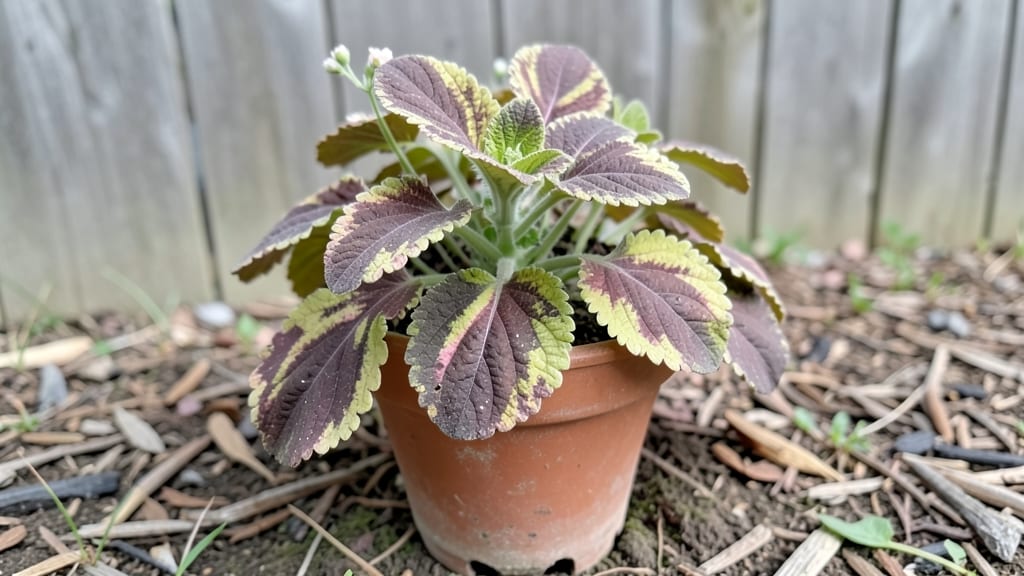
Finding affordable garden plants that still pack a punch doesn’t mean sacrificing beauty or performance—it just means knowing where to look and what to grow. 🌱 I’ve turned my front yard into a thriving oasis by focusing on hardy perennials, heirloom seeds, and smart shopping strategies that keep costs low while maximizing impact.
The secret isn’t buying cheap plants—it’s choosing the right ones. Start with perennials like coneflowers, daylilies, or Russian sage, which cost a few dollars each but return year after year.
Swap expensive annuals for self-seeding varieties like cosmos or marigolds, and source plants from local plant swaps, end-of-season sales, or even grocery store cuttings. A single $2 basil cutting can grow into a full plant for next year’s garden.
What you’ll end up with is a garden that feels lush and intentional without the nursery price tag. Imagine borders bursting with color for less than $50, or a vegetable patch producing more than you can eat—all from plants that cost pennies on the dollar compared to big-box store prices.
The best part? These plants thrive with minimal fuss, so you spend less time stressing and more time enjoying.
Whether you’re working with a small balcony or a half-acre, these strategies scale easily. Let’s turn your budget into a garden that steals the show—without breaking the bank.
📚 In This Guide
- What you need
- Instructions
- Tips and common mistakes
- Wrapping up and next steps
What you need
- ● Seeds or small plants: Opt for affordable garden plants like sunflowers, marigolds, or herbs (e.g., basil or mint). Buy in bulk or split packs with friends to save!
- ● Potting soil: A 40-lb bag (or a mix of garden soil and compost) works for most plants. Look for organic blends for better value.
- ● Containers or garden beds: Containers: 5–10 gallon pots (or repurpose buckets, old tires, or wooden crates).
- ● Garden beds: A 4’x8’ raised bed or in-ground space (no need for fancy materials—wooden planks or cinder blocks work!).
- ● Watering can or hose: A basic 2-gallon watering can (or a reusable spray bottle for seedlings) is perfect.
- ● Fertilizer: A balanced, slow-release option (e.g., 10-10-10) or compost tea for a natural boost.
- ● Pruners or scissors: Small, sharp pruners (or clean kitchen scissors in a pinch) for trimming.
- ○ Gloves: A pair of durable gardening gloves to protect your hands (optional but helpful!).
- ● Mulch: Straw or shredded leaves to retain moisture and suppress weeds.
- ● Trellis or stakes: For climbing plants like beans or cucumbers (bamboo stakes or wire mesh work!).
- ● Plant markers: Popsicle sticks or recycled labels to track your affordable garden plants.
- ● Soil tester kit: To check pH levels (helpful if you’re experimenting with new plants).
- ● Seedling heat mat: For starting seeds indoors (especially useful in cooler climates).
Step-by-Step guide to choosing affordable, low-maintenance garden plants
Here's how to build a stunning garden without breaking the bank—just pick the right plants.
🌱 Step 1: Start With Hardy Annuals and Perennials
Look for plants that thrive with minimal care, like marigolds or zinnia seeds (both under $2 per packet). These bloom all season with just regular watering and full sun. I always start with these because they self-seed, meaning you’ll get free plants next year. Check your local nursery’s clearance section too—many perennials like lavender or sedum go on sale after the first frost for just a few dollars.
Skip the expensive tropicals unless you’re willing to babysit them. Instead, opt for native plants—they’re adapted to your climate, need less water, and rarely get pests. A 5-gallon container of a hardy shrub like butterfly bush costs about $15 and will grow for years. I’ve seen dahlias (a favorite for bold blooms) at big-box stores for under $10 per tuber—way cheaper than buying mature plants.
☀️ Step 2: Shop for Plants at the Right Time
Timing saves money. Buy bare-root plants (like roses or fruit trees) in late winter or early spring when they’re dormant—prices drop to $5–$15 for mature specimens. I’ve scored hydrangea bushes for $12 in February, then watched them grow into 6-foot beauties by summer. Avoid peak season (late spring/early summer) when nurseries mark up prices for impatient gardeners.
Check plant swaps or Facebook Marketplace for free or cheap divisions of perennials. Many gardeners give away extra plants if you’re willing to haul them home. Look for healthy roots (not mushy or dry) and firm stems—these are the telltale signs of a thriving plant worth its price. I once got a free peony bush from a neighbor because it had “too many blooms”—now it’s the star of my garden.
💧 Step 3: Focus on Drought-Tolerant and Self-Sufficient Plants
Drought-tolerant plants like succulents or Russian sage cut your water bill and maintenance time. A 6-pack of succulents costs around $8 and lasts years with almost no care. I planted sedum along my driveway, and it’s thrived for five years with zero watering after the first season. These plants also attract pollinators, so you’ll get extra benefits without extra work.
Avoid plants labeled “high-maintenance” or “needs full attention.” Instead, choose ground covers like creeping thyme (which also repels pests) or climbing roses (which grow on their own trellis). A single climbing rose bush can cover a fence in a season and costs under $20 at a nursery. Pair it with low-growing perennials like catmint to fill in gaps without extra planting.
✂️ Step 4: Propagate and Divide Existing Plants
Free plants are the best kind. Many perennials, like hostas or daylilies, spread easily—just dig up clumps in early spring or fall and replant sections. I’ve turned one hosta plant into 12 over three years by dividing it every other season. Even houseplants like pothos or spider plants root in water, giving you free cuttings for friends or new garden spots.
Save seeds from annuals like cosmos or sunflowers—they’re often free if you let a few flowers go to seed. Dry the seeds, store them in envelopes, and replant next year. I’ve grown hundreds of sunflowers from seeds I collected, spending just $2 on packets the first year. This method works best with open-pollinated varieties (avoid hybrids if you want true-to-type seeds).
🪴 Step 5: Use Containers and Repurpose Materials
Skip expensive raised beds—old buckets, tires, or even plastic bins make great planters. Paint them or line them with landscape fabric for a polished look. I’ve grown tomatoes in 5-gallon buckets for years, and they cost nothing if you reuse them. Just drill drainage holes and fill with cheap potting mix. For herbs, I repurposed mason jars buried in the ground—perfect for basil or chives.
Thrift stores often have ceramic pots, trellises, and garden decor for under $5. I found a wrought-iron trellis for $3 and now grow cucumbers and morning glories up it. If you’re crafty, pallets, bricks, or even old boots can become planters. The key is to reuse what you have—creativity beats spending.
Tips & tricks for perfect affordable garden plants
Building a beautiful garden shouldn't cost a fortune—here's how to maximize your budget without sacrificing beauty.
Seasonal Savings Strategy: In Step 2, when you're shopping for bare-root plants in late winter or early spring, look for dormant perennials like lavender or sedum—these often sell for under $5 at clearance sales after the first frost. I've seen hydrangea bushes marked down to $12 in February that grew into 6-foot beauties by summer. The key is patience: peak season prices are 3-4 times higher, so plan ahead and shop when nurseries need to clear inventory.
Plant Health Check: When selecting plants from Step 1 or Step 2, focus on these three visual cues: firm stems (not brittle or floppy), healthy roots (white and moist, not brown or mushy), and vibrant leaves (no yellowing or spots). I once bought a peony bush with soft stems that died within weeks—always check these signs before paying. For container plants, gently squeeze the soil: it should feel lightly moist but not soggy.
Container Creativity: In Step 5, don't limit yourself to traditional pots. I've grown tomatoes in 5-gallon buckets with drainage holes cut in the bottom, and repurposed old plastic bins as raised beds for herbs. For vertical space, use wrought-iron trellises (I found one for $3 at a thrift store) to grow cucumbers and morning glories without taking up garden space. The only rule is drainage—always ensure water can escape to prevent root rot.
Free Plant Propagation: Step 4 reveals the ultimate budget trick: propagation. For hostas or daylilies, dig up established clumps in early spring or fall and divide them into smaller sections. I've turned one hosta plant into 12 over three years by replanting divisions. For pothos or spider plants, simply place stem cuttings in water—they'll root in just a few weeks. This method gives you free plants while reducing waste.
Pro Tips for Affordable Garden Plants
- Building a beautiful garden shouldn't cost a fortune—here's how to maximize your budget without sacrificing beauty.
- I've seen hydrangea bushes marked down to $12 in February that grew into 6-foot beauties by summer.
- I once bought a peony bush with soft stems that died within weeks—always check these signs before paying.
Frequently asked questions
Got questions about growing stunning, budget-friendly plants? We’ve got answers!
Whether you’re a first-time gardener or looking to save money without sacrificing beauty, these FAQs cover everything from timing to troubleshooting. Let’s dig in!
What are the most affordable plants for beginners?
Start with herbs like basil or mint (often free from grocery scraps!), marigolds (deter pests naturally), or zinnia seeds (a dollar’s worth yields dozens of blooms). These thrive in pots or garden beds, require minimal care, and multiply easily for next year’s garden.
When is the best time to plant budget-friendly garden plants?
For cool-season plants (like lettuce or pansies), aim for early spring or fall when soil is workable but not scorching. Warm-season plants (tomatoes, peppers) love late spring after frost. Check your USDA zone for local timing—extension offices are great free resources!
How can I get affordable plants without sacrificing quality?
- Swap seeds: Join local gardening groups (Facebook, Meetup) or visit seed libraries for free or low-cost seeds.
- Buy in bulk: Purchase seeds from discount stores (Dollar Tree, IKEA) or online sales (Burpee, Baker Creek).
- Propagate cuttings: Snip herbs or succulents from friends’ gardens—many root in water for free plants!
What should I do if my affordable plants look sick or wilted?
First, check for overwatering (soggy soil = root rot) or underwatering (crispy leaves = thirsty plants). Pests like aphids? Spray with soapy water (1 tsp dish soap + 1 quart water). For fungal issues, improve airflow and avoid wetting leaves when watering.
Can I grow affordable plants in containers or small spaces?
Dwarf varieties (like ‘Tiny Tim’ tomatoes or ‘Mignonette’ carrots) thrive in 5-gallon pots. Herbs like thyme or oregano love shallow containers, and vertical gardens (hanging pots, trellises) maximize tiny spaces. Just ensure containers have drainage holes to avoid root rot.
What’s the easiest way to save seeds from my plants for next year?
Let healthy, mature plants (like zinnias or beans) produce seeds, then dry them in a paper bag for 1–2 weeks. Store in a cool, dark place (like a jar in your fridge) for up to 3 years. Avoid hybrid seeds (like F1 tomatoes)—they won’t grow true to form!
Wrapping up and next steps
Transforming your garden into a vibrant, low-cost oasis is easier than you think! With affordable garden plants like sunflowers, marigolds, and mint, you can enjoy beauty without breaking the bank. These low-maintenance companions not only save money but also boost pollinators and soil health—win-win! 🌱
Ready to get started? Pick one plant from this list, grab some seeds or cuttings, and begin your budget-friendly gardening journey today. Your future self (and your wallet) will thank you!