Flowers
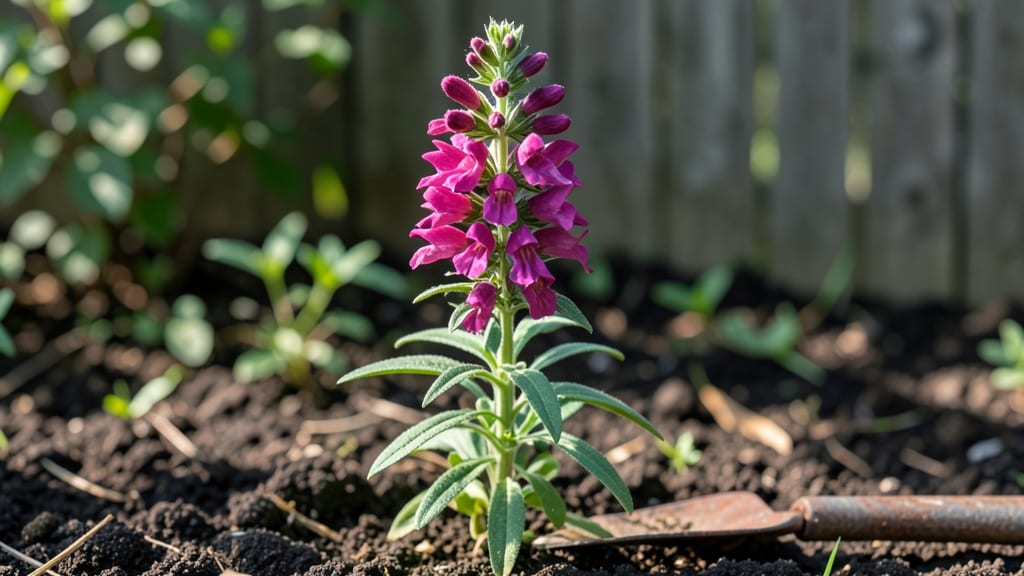
Angelonia in garden designs transforms ordinary spaces into buzzing hubs for bees and butterflies—its snapdragon-like spikes bloom from June until frost. 🌿 I first spotted these in a friend’s cottage garden, where they paired purple blooms with lavender and salvia, creating a magnet for pollinators that lasted all summer.
The real magic? They’re drought-tolerant once established, so they handle heat like champions while still looking fresh.
The key to making angelonia shine is pairing it with the right neighbors. Try it alongside coneflowers for a wildflower meadow vibe or mix in dusty miller for a modern, textured contrast.
For containers, combine it with sweet potato vine and calibrachoa for a cascading, pollinator-friendly display. The secret’s in the contrast—angelonia’s upright spikes balance low-growing plants beautifully.
You’ll end up with a garden that hums with activity while staying low-maintenance. The blooms attract hummingbirds too, and their long season means you’ll have color when many annuals fade. Plant them in full sun—even partial shade works if you’re in a hotter zone—and watch them thrive with minimal fuss.
Works in borders, containers, or as a standalone pollinator patch. The best part? They self-seed lightly, so you’ll get free plants next year. Here’s how to make them the star of your garden without the work.
Root Causes Of Angelonia Struggles
When your angelonia plants aren’t thriving as expected, the issue often boils down to a few key environmental and care-related factors. Understanding these causes helps you take corrective action before problems escalate.
Below are the most common reasons why angelonia may underperform in your garden, along with the science behind them.
Angelonia (Angelonia angustifolia) is a heat-loving annual, but extreme conditions can push it beyond its comfort zone.
While it tolerates high temperatures (up to 95°F or 35°C), prolonged exposure to heat waves above 100°F (38°C)—especially without adequate hydration—can lead to: - Wilting or leaf scorch (brown, crispy edges) due to transpiration stress, where water loss outpaces uptake. - Stunted growth from enzymatic damage in cells, disrupting photosynthesis. - Bloom failure as the plant diverts energy to survival rather than flowering.
Actionable Fix:
- Mulch heavily (2–3 inches of organic mulch) to regulate soil temperature and retain moisture.
- Provide afternoon shade (e.g., sheer fabric or dappled shade from trees) during peak summer heat.
- Water deeply at soil level (not overhead) to avoid evaporative loss—early morning is ideal to reduce fungal risks.
Angelonia’s native habitat in South American savannas means it’s adapted to moderate rainfall with dry spells, but garden conditions often misalign with its needs.
Underwatering Symptoms:
- Drooping leaves (not crispy—this is reversible wilting).
- Yellowing lower leaves from nutrient leaching as roots struggle to absorb water.
- Premature flower drop due to osmotic stress (cells losing turgor pressure).
Overwatering Symptoms:
- Yellowing leaves with brown, mushy edges (a sign of root rot from Pythium or Phytophthora).
- Stunted growth as roots suffocate in anaerobic soil (lack of oxygen).
- Fungal spots (gray mold or powdery mildew) thriving in high humidity from soggy soil.
Actionable Fix:
- Check soil moisture by sticking your finger 1–2 inches deep—water when dry but not bone-dry.
- Use well-draining soil (amend with perlite or sand if your soil is clay-heavy).
- Avoid wetting foliage to prevent fungal diseases; use drip irrigation or soaker hoses.
Angelonia prefers slightly acidic to neutral soil (pH 6.0–7.0), but many garden soils skew alkaline (pH 7.5+) or deficient in key nutrients, leading to:
- Pale, yellow leaves (chlorosis) from iron or manganese deficiency, common in alkaline soils.
- Leggy, weak stems due to low nitrogen or phosphorus shortages, which stifle root and flower development.
- Poor blooming if potassium (K) is lacking, reducing stress resilience and flower production.
Actionable Fix:
- Test your soil with a home pH kit or send a sample to a local extension office.
- Amend alkaline soil with elemental sulfur (follow package rates) or peat moss to lower pH.
- Fertilize lightly with a balanced 10-10-10 or 5-10-10 formula every 4–6 weeks during the growing season.
While angelonia is relatively pest-resistant, aphids, whiteflies, and spider mites can still target stressed plants, while fungal diseases (like powdery mildew or botrytis blight) exploit poor air circulation or overhead watering.
Pest Signs:
- Sticky residue on leaves (aphid honeydew) or silver webbing (spider mites).
- Curled or distorted new growth from sap-sucking insects.
Disease Signs:
- White powdery coating (powdery mildew) or watery spots turning brown (botrytis).
- Blackened stems at the base (stem rot from overwatering).
Actionable Fix:
- Inspect plants weekly (especially undersides of leaves) for early signs.
- Blast off pests with a strong spray of water or use neem oil (1 tsp per quart of water) as a preventative.
- Space plants 12–18 inches apart for airflow and remove debris to deter fungal spores.
Angelonia has a fibrous root system that spreads moderately but can struggle if:
- Transplanted too late (roots need 4–6 weeks to establish before summer heat hits).
- Planted in overly compacted or rocky soil, restricting root expansion.
- Root-bound in containers, leading to circling roots that strangle growth.
Actionable Fix:
- Transplant in spring (after last frost) when soil is warm (60°F/15°C+).
- Loosen soil at planting with compost or coconut coir to improve aeration.
- Use larger pots (5+ gallons) if growing in containers, with drainage holes.
Angelonia craves full sun (6–8+ hours daily), but too little light causes:
- Elongated, weak stems (etiolation) as the plant stretches for light.
- Fewer, smaller blooms due to reduced photosynthesis.
- Leggy, sparse foliage with pale green leaves.
Actionable Fix:
- Move to a sunnier spot if growth is weak—south- or west-facing locations work best.
- Use reflective mulch (like white gravel) to bounce light to plant bases.
- Supplement with a grow light (12–14 hours/day) if growing in partial shade.
Quick fixes for angelonia struggles
Gardeners love angelonia for its vibrant blooms and pollinator appeal, but even the hardiest plants need a little TLC now and then. Whether your angelonia is wilting, struggling to flower, or falling prey to pests, these practical solutions will get your plants back on track—fast.
Let’s tackle the most common issues with step-by-step fixes and prevention tips to keep your angelonia thriving all summer.
Cause: Overwatering, underwatering, or root stress (often from compacted soil). Solution:
- 🔥 Check the Soil: Stick your finger 1–2 inches deep. If it’s soggy, your plant is drowning. If it’s bone-dry, it’s thirsty.
- 💧 Adjust Watering: Angelonia prefers consistently moist (not soggy) soil. Water deeply 2–3 times per week in hot weather, but reduce in cooler months. Morning watering prevents fungal issues.
- 🌡️ Improve Drainage: Amend heavy clay soil with compost or perlite to prevent waterlogging. If planted in containers, ensure pots have drainage holes.
- ✨ Pro Tip: Mulch around the base with 2–3 inches of organic mulch (like shredded bark) to retain moisture and regulate soil temperature.
Prevention:
- Use a moisture meter to avoid guesswork.
- Group angelonia with plants of similar water needs (like salvia or verbena) for easier care.
Cause: Over-fertilizing, lack of sunlight, or deadheading neglect. Solution:
- ☀️ Maximize Sunlight: Angelonia craves full sun (6+ hours daily). If blooms are sparse, move pots to a sunnier spot or thin nearby shade-casting plants.
- 🍽️ Light Fertilizing: Feed once a month in spring/summer with a balanced, water-soluble fertilizer (10-10-10) or a low-phosphorus bloom booster. Too much nitrogen = lush leaves, few flowers!
- 🔪 Deadhead Regularly: Snip spent blooms above the next set of leaves to encourage continuous flowering. Use clean, sharp scissors to avoid disease.
- 🌡️ Prune for Shape: Trim leggy stems by 1/3 in early summer to promote bushier growth and more blooms.
Prevention:
- Skip winter fertilizing—angelonia rests in cooler months.
- Choose slow-release fertilizer for steady nutrients without overfeeding.
Cause: Aphids, spider mites, powdery mildew, or fungal leaf spot (from humidity + poor airflow). Solution:
| Problem | Fix It Fast | Prevention |
|---|---|---|
| Aphids | Spray with soapy water (1 tsp mild soap + 1 quart water) or neem oil. | Attract ladybugs (natural predators) with nearby marigolds or dill. |
| Spider Mites | Blast off mites with a strong water spray, then treat with neem oil. | Increase humidity (mist plants) or use hose-downs in dry spells. |
| Powdery Mildew | Remove infected leaves; spray with baking soda mix (1 tsp baking soda + 1 quart water + a drop of soap). | Space plants for airflow; water at the base, not overhead. |
| Fungal Leaf Spot | Prune affected leaves; apply copper fungicide or organic compost tea. | Avoid overhead watering; water early in the day for quick drying. |
✨ Pro Tip: Companion planting helps! Grow angelonia near basil, marigolds, or garlic to deter pests naturally.
Cause: Too much shade, inconsistent watering, or lack of pruning. Solution:
- 🔪 Hard Prune in Spring: Cut back 1/2 to 2/3 of the plant to the main stem in early spring to encourage fresh, bushy growth.
- 🌱 Pinch Young Plants: For new growth, pinch back tips when plants are 6–8 inches tall to promote branching.
- 🌞 Move to Sun: If leggy, relocate to a sunnier spot immediately—angelonia will stretch toward light but won’t recover without it.
- 🍃 Repot if Needed: If roots are circling in a pot, uproot, trim roots, and repot in fresh, well-draining soil.
Prevention:
- Start with the right variety: Dwarf angelonia (like ‘Angelface’) stays compact with less pruning.
- Use grow lights if your garden lacks sufficient sunlight.
Keep your angelonia happy with this quick-reference guide:
- Spring: Prune, fertilize lightly, and watch for early pests.
- Summer: Deadhead weekly, water deeply, and mulch to retain moisture.
- Fall: Reduce watering; stop fertilizing as growth slows.
- Winter: In cold climates, cut back dead stems and protect with mulch. In warm zones, it may bloom lightly—just reduce care.
With these fixes, your angelonia will bounce back stronger and reward you with nonstop blooms that butterflies and hummingbirds will adore. 🦋🌺 Happy gardening!
Frequently asked questions
What colors does angelonia bloom in, and how can I use them in my garden?
Angelonia blooms in vibrant hues like purple, pink, white, and lavender. Use them to create striking color contrasts—pair deep purple varieties with silver foliage plants like dusty miller for a modern look, or mix pink angelonia with yellow coneflowers for a cottage garden vibe. Their upright spikes also work beautifully in pollinator gardens alongside salvia or bee balm.
Can angelonia grow in containers, and what’s the best pot size?
Yes! Angelonia thrives in containers with at least 5-gallon pots for single plants. Use well-draining soil and ensure pots have drainage holes. For a cascading display, combine it with trailing plants like sweet potato vine in a hanging basket. Just place containers where they get 6+ hours of sunlight daily—even balconies or patios work!
Does angelonia attract pollinators, and which plants pair well with it?
Angelonia is a pollinator magnet, especially for bees and butterflies. Pair it with other pollinator favorites like lavender, catmint, or coneflowers for a buzzing garden. For height contrast, plant it alongside tall grasses like maiden grass, or use it as a border plant with shorter annuals like calibrachoa for a layered look.
How do I deadhead angelonia to keep it blooming all season?
Deadheading is key! Snip spent blooms just above the next set of leaves using clean scissors. Do this every 7–10 days to encourage continuous flowering. For a quick trim, you can also cut back leggy stems by 1/3 in early summer to promote bushier growth and more blooms.
Is angelonia deer-resistant, and how do I protect it from pests?
Angelonia is moderately deer-resistant, but hungry deer may still nibble. To deter pests like aphids or spider mites, companion plant with basil, marigolds, or garlic. For fungal issues, water at the base (not overhead) and space plants for airflow. A light neem oil spray can also keep pests at bay.