Landscaping
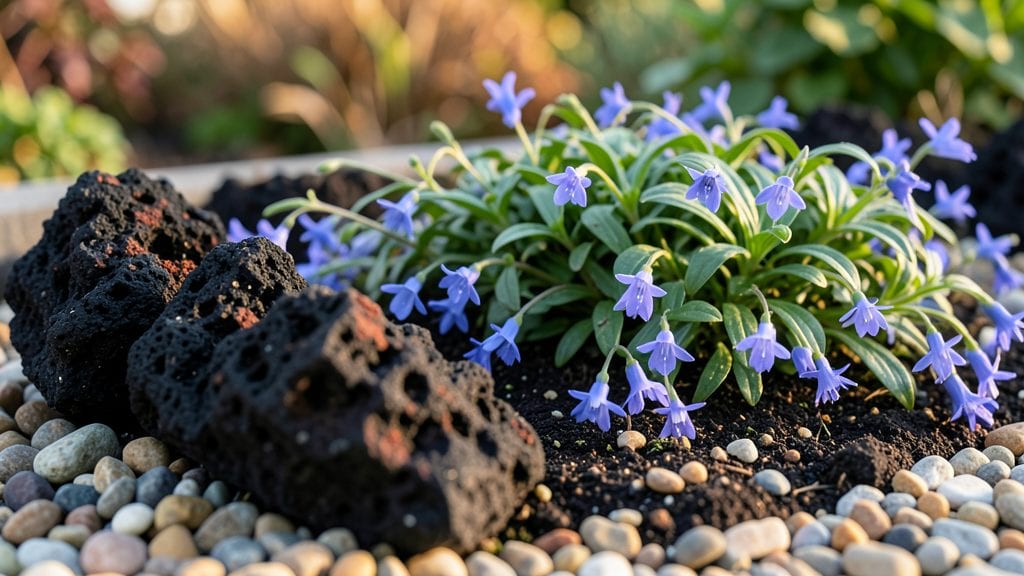
Transforming your desert landscape with lava rock gardens creates a striking, low-maintenance oasis that thrives where other plants struggle. ✨ I’ve seen how this volcanic texture instantly elevates even the most ordinary yards—adding drama, improving drainage, and cutting water needs by half.
The sharp contrast of black and gray against native plants makes every space feel intentional, not just functional.
The beauty of lava rock lies in its versatility: use it as ground cover, define pathways, or create bold borders that frame your favorite desert shrubs. Most people assume it’s just for cacti, but I’ve paired it with drought-tolerant perennials like yuccas and agaves for a modern, sculptural look.
The key is balancing texture with plant selection—too much lava can feel sterile, but the right mix makes it feel alive.
Once installed, these gardens practically take care of themselves. The porous rocks prevent soil compaction, reduce runoff, and keep roots cool—perfect for monsoon-prone areas. You’ll spend less time watering and more time admiring how the light dances through the sharp-edged stones at sunset.
The only real maintenance? Occasional raking to keep it looking intentional.
Whether you’re working with a small patio or a sprawling desert yard, lava rock adapts to any scale. Start with a single accent bed or go all-out with a full landscape transformation.
The results? A space that feels both wild and carefully curated—exactly the kind of outdoor drama that makes neighbors take notice.
📚 In This Guide
- What you need
- Instructions
- Tips and common mistakes
- Wrapping up and next steps
What you need
- ● Lava rock: 1–3 tons (depending on garden size; 1–2" diameter rocks work best for texture and drainage).
- ● Landscape fabric: 1 roll (to prevent weeds and retain moisture).
- ● Gravel or decomposed granite: 2–3 bags (for a base layer, ½"–1" size).
- ● Native desert plants: 3–5 varieties (e.g., agave, yucca, or cacti; check local drought-resistant options).
- ● Soil (cactus/succulent mix): 2–4 bags (fast-draining blend).
- ○ Edging material (optional but recommended): Metal, plastic, or stone borders (10–20 linear feet).
- ● Wheelbarrow or dump cart: For hauling rocks and soil.
- ● Shovel and rake: For digging and leveling.
- ● Wheelbarrow or tarp: To spread landscape fabric.
- ● Garden gloves and knee pads: For comfort and protection.
- ● Hose with spray nozzle: For watering (desert plants need minimal water!).
- ● Measuring tape and string line: To mark out your garden design.
- ● Mulch (volcanic rock or dark bark): To enhance contrast and retain moisture.
- ● Outdoor lighting (solar-powered): To highlight your garden at night.
- ● Decorative accents: Wind chimes, metal sculptures, or stepping stones.
- ● Drip irrigation system: For efficient watering (if you’re ambitious!).
Step-by-Step guide to designing a striking lava rock garden
This volcanic-inspired design transforms barren spaces into dramatic, low-maintenance desert landscapes.
🪴 Step 1: Prepare the Base Layer for Optimal Drainage
Start by clearing the area of weeds, grass, or debris—lava rock gardens thrive in open, sun-drenched spaces. Lay down a 4-inch layer of coarse gravel (like crushed stone) as your foundation. This isn’t just for looks; it ensures proper drainage, which lava rock demands. Without it, water pools around plants, leading to root rot. I like to use a tamper to compact the gravel slightly—just enough to create a stable base without making it impermeable.
Next, spread a 2-inch layer of landscape fabric over the gravel, securing the edges with landscape staples. This prevents weeds from creeping up through the rocks while still allowing water to pass through. The fabric should overlap by at least 6 inches to avoid gaps where weeds could sneak in. Here’s the thing—skipping this step is a common mistake. Weeds grow aggressively in lava rock beds, and once established, they’re nearly impossible to remove without disturbing the entire design.
☀️ Step 2: Layer Lava Rock for Depth and Texture
Spread the first layer of lava rock, using a mix of 1- to 3-inch stones for visual interest. Aim for a 2-inch deep layer—this creates enough volume for roots to anchor while maintaining the airy, desert-like aesthetic. I like to start with the larger rocks first, then fill gaps with smaller ones. This ensures a natural, uneven look rather than a flat, uniform surface. Avoid packing the rocks too tightly; they should rest loosely against each other, allowing air and water to circulate.
For a more dramatic effect, vary the rock sizes within each layer. Place a few larger 3- to 4-inch lava rocks strategically as focal points, especially near plants or along pathways. You’ll notice the texture immediately—lava rock’s sharp edges and porous surface create a striking contrast to smooth mulch or flat stones. This is where the magic happens: the interplay of light and shadow across the rocks adds depth to your garden.
🌿 Step 3: Integrate Plants for Contrast and Color
Choose drought-tolerant plants that thrive in the rocky environment, like succulents, agave, or desert cacti. Space them 12-18 inches apart, depending on their mature size. Dig holes just deep enough to accommodate the root ball, then backfill with native soil mixed with compost to improve moisture retention. Here’s a pro tip: water each plant deeply before placing it in the hole. This helps settle the soil and eliminates air pockets around the roots.
Group plants with similar water needs together. For example, place succulents near other succulents and cacti near cacti. This ensures even watering and reduces waste. You’ll see the contrast immediately—the vibrant greens and blues of desert plants pop against the dark, volcanic rocks. Avoid overcrowding; lava rock gardens rely on negative space to highlight the plants and rocks themselves. If a plant looks cramped, it’s time to adjust spacing or choose a smaller variety.
✂️ Step 4: Add Finishing Touches for Long-Term Appeal
Once plants are in place, top off the garden with a final 1-inch layer of smaller lava rock to tie everything together. This layer also helps retain moisture near the base of plants while keeping the overall look cohesive. Use a rake to gently spread the rocks, filling any gaps left by larger stones. Pay attention to the edges—taper the rocks slightly to create a soft, natural transition into the surrounding landscape.
Finally, consider adding a few larger accent rocks or even a small boulder to anchor the design. These don’t need to be lava rock—they can be granite or slate for added contrast. The key is balance: too many large rocks can overwhelm the space, while too few leave the garden feeling incomplete. Step back and assess the layout. You’re aiming for a sense of harmony, where the rocks and plants feel intentional rather than random.
💧 Step 5: Establish a Watering Routine for Low Maintenance
Lava rock gardens are designed to thrive with minimal water, but the first few weeks are critical. Water deeply 2-3 times per week until plants are established, then taper off to once every 2 weeks during dry spells. Use a soaker hose or drip irrigation to deliver water directly to the soil, avoiding the rocks. You’ll notice the rocks stay dry on top while the soil below remains moist—this is ideal. Overwatering is the fastest way to kill desert plants, so resist the urge to water on a schedule. Instead, check the soil 1 inch below the surface; if it’s dry, it’s time to water.
Mulch isn’t necessary with lava rock, but you can add a thin layer of gravel or decomposed granite around the base of plants to further reduce evaporation. This step is optional but can extend the time between waterings. Once established, your lava rock garden will require little more than an occasional sweep to remove debris. The real beauty? It becomes a self-sustaining ecosystem that thrives with minimal intervention.
Tips & tricks for perfect lava rock garden design
Transforming a space with lava rock isn't just about throwing down rocks—it's about creating a dynamic, functional desert oasis. Here's what I've learned after designing several of these striking landscapes.
Drainage is Everything: The 4-inch gravel base in Step 1 isn't just decorative—it's the foundation of your garden's health. I've seen too many lava rock gardens fail because people skipped this critical layer. Compact the gravel just enough to create a stable base, but don't overdo it—you want to maintain that essential permeability. Think of it as creating a porous sponge that allows water to drain while supporting your rocks above.
Rock Placement Strategy: When layering your 1- to 3-inch lava rocks in Step 2, work from largest to smallest. This creates natural-looking gaps that prevent a flat, artificial appearance. I like to place the largest 3- to 4-inch rocks first as focal points, then fill the remaining space with smaller stones. The key is to leave about 1/4 inch between rocks—this allows for proper air circulation and prevents water from pooling between stones.
Plant Selection Wisdom: The 12- to 18-inch spacing in Step 3 isn't arbitrary—it accounts for mature plant sizes while maintaining that essential negative space. Choose plants that naturally thrive in rocky conditions like sedum or yucca. Here's what nobody tells you: the vibrant colors of desert plants actually intensify when planted against the dark volcanic rocks. The contrast creates a visual pop that's hard to achieve with traditional garden beds.
Long-Term Maintenance Secret: After establishing your garden, resist the urge to water on a schedule. The 2-3 times per week guideline in Step 5 is just for initial establishment. Once your plants are settled, check soil moisture 1 inch below the surface—this is where the roots are actually absorbing water. The rocks stay dry on top while the soil below remains perfectly moist, which is exactly what desert plants crave. This watering method saves time and prevents overwatering, which is the number one killer of desert landscapes.
Pro Tips for Lava Rock Gardens
- Transforming a space with lava rock isn't just about throwing down rocks—it's about creating a dynamic, functional de...
- Drainage is Everything: The 4-inch gravel base in Step 1 isn't just decorative—it's the foundation of your garden's h...
- Rock Placement Strategy: When layering your 1- to 3-inch lava rocks in Step 2, work from largest to smallest. This cr...
Frequently asked questions
Got questions about creating a stunning lava rock garden?
Here are some of the most common ones—plus answers to help you get started with confidence!
What’s the best time of year to install lava rock?
Spring or fall are ideal! Avoid extreme heat (summer) or freezing temps (winter). Spring lets plants establish roots before summer dryness, while fall avoids heat stress. Pro tip: If installing in summer, water thoroughly before and after to reduce shock.
Can I use lava rock in containers or raised beds?
Lava rock works great in containers, raised beds, or even as a mulch alternative. For containers, layer it at the bottom for drainage (2–3 inches), then mix with soil. In raised beds, use it as a top layer to retain moisture and suppress weeds.
Will lava rock change the pH of my soil?
Lava rock is neutral (pH 7), so it won’t drastically alter your soil’s pH. However, if your soil is already alkaline, pairing it with acidic plants (like blueberries) may require extra amendments. Test your soil first for peace of mind!
How do I keep lava rock from blowing away in windy areas?
Secure it with edging (metal, plastic, or stone) or anchor it with landscape fabric under the rocks. For slopes, use retention fabric or plant low-growing ground covers (like creeping thyme) to hold it in place.
What’s a good alternative if lava rock is too expensive?
Try volcanic rock alternatives like:
- Basalt gravel – Similar texture, often cheaper.
- Pumice – Lighter and great for drainage.
- Crushed granite – Durable and locally available.
Wrapping up and next steps
Creating a lava rock garden is more than just a landscaping choice—it’s an artful way to bring bold, volcanic beauty to your desert oasis. 🌋 From selecting the right rocks to mastering drainage and design, every step transforms your outdoor space into a striking, low-maintenance masterpiece.
Whether you’re a seasoned gardener or a beginner, the key is to embrace creativity and let the natural drama of lava rock shine.
Ready to take the next step? Start small with a single bed or sketch a full layout—your vision is the only limit! Grab your gloves, gather your materials, and let your lava rock garden erupt with personality.