Companion Plants
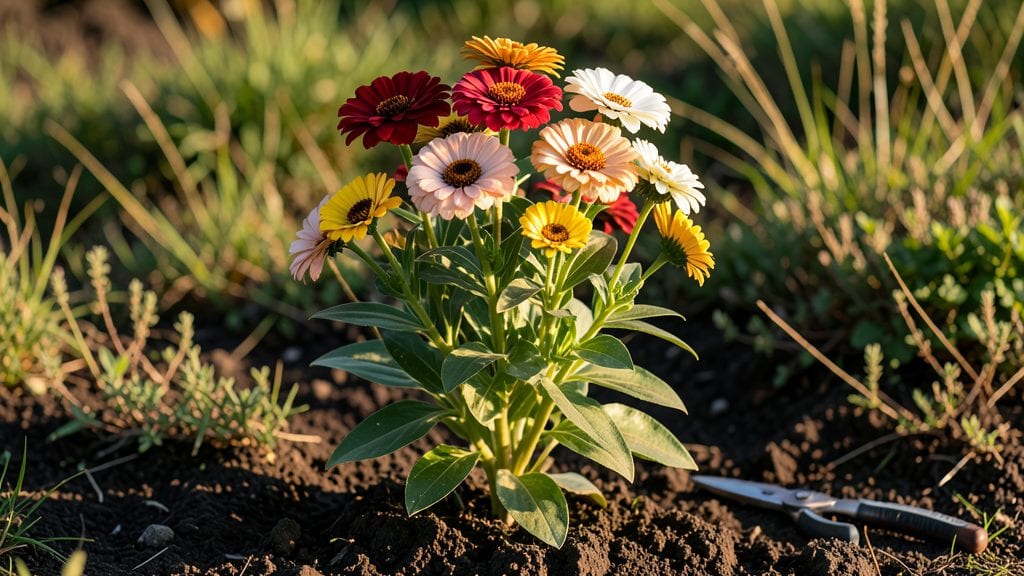
Annual garden plants transform a static garden into a living canvas that shifts with the seasons. 🌿 I’ve designed beds where marigolds and nasturtiums spill over borders in summer, then fade into snapdragons and pansies as temperatures drop—each wave of color drawing pollinators and masking soil until the next planting.
The key isn’t just choosing plants; it’s pairing them so their growth habits and blooming cycles create seamless transitions.
Think of annuals as the supporting cast in a garden’s story: fast-growing zinnias can fill gaps between slower perennials, while trailing lobelia softens container edges. For pollinators, pair sun-loving cosmos with bee-balms; in shade, impatiens and fuchsias thrive alongside hostas.
The best designs use height, texture, and bloom times to layer visual interest—like planting tall delphiniums behind shorter salvias to create depth without crowding.
What you’ll end up with is a garden that feels intentional year-round, not just during peak summer. The snapdragons will bridge summer and fall, the pansies will hold court through winter, and by spring, your perennials emerge into a bed already softened by dying annual foliage.
It’s a cycle that reduces bare soil, attracts wildlife, and gives you control over color shifts without replanting everything.
This approach works for in-ground beds, raised planters, or even window boxes—just adjust spacing and sun exposure. The only rule? Start with a color palette or theme (e.g., "monochromatic purple," "bright citrus tones") to tie everything together. Let’s build your seasonal palette.
📚 In This Guide
- What you need
- Instructions
- Tips and common mistakes
- Wrapping up and next steps
What you need
- ● Annual plants: Choose 3–5 complementary varieties (e.g., marigolds, nasturtiums, cosmos, and basil with tomatoes). Aim for 5–10 plants per square foot, depending on size.
- ● Potting soil: 5–10 bags (1 cubic foot each) of high-quality, well-draining potting mix (look for labels like "organic" or "compost blend").
- ● Containers or garden beds: Containers: 5-gallon pots or larger (1–2 per plant, depending on size). Ensure they have drainage holes.
- ● Garden beds: At least 4’x4’ of prepared soil per section (adjust based on your layout).
- ● Fertilizer: Slow-release granular fertilizer (10–10–10 ratio) or organic options like composted manure (1–2 cups per plant at planting).
- ● Mulch: 2–3 bags of organic mulch (e.g., shredded bark or straw) to retain moisture and suppress weeds.
- ● Garden trowel (for transplanting seedlings).
- ● Pruners or scissors (for trimming and harvesting).
- ● Watering can or hose with a gentle spray nozzle (avoid blasting seedlings!).
- ● Gloves (to protect your hands from thorns or soil).
- ● Measuring tape or ruler (for spacing plants correctly).
- ● Companion plant chart (to reference ideal pairings, like basil + tomatoes or marigolds + peppers).
- ● Plant labels (to track varieties and rotations).
- ● Shade cloth (for seedlings if your climate gets too hot).
- ● Epsom salt (1 tbsp per gallon of water) for magnesium boosts in flowering plants.
How to design year-round annual garden plant pairings
Here's my battle-tested approach to creating lush, pest-resistant annual beds that bloom continuously.
🌱 Step 1: Group Plants by Sunlight and Water Needs
Start by organizing your annuals into three distinct categories: full sun lovers (6+ hours daily), partial shade plants (3-6 hours), and full shade varieties (less than 3 hours). I always place sun-loving annuals like zinnias and marigolds together—they share the same thirst for moisture and heat. For partial shade, pair impatiens with coleus—they both appreciate consistent moisture but can't handle scorching afternoon rays.
Water requirements are just as critical. Group drought-tolerant annuals like lantana with succulents in one bed, while moisture-loving petunias and snapdragons get their own well-draining spot. This ensures no plant struggles for resources while others drown. I mark each bed's corner with a small stake noting the group's care requirements so I don't mix them up later.
🌿 Step 2: Layer Plants by Height and Bloom Time
Create visual interest by planting tall annuals like sunflowers or hollyhocks at the back of the bed, medium-height plants such as salvias or cosmos in the middle, and low-growing annuals like alyssum or sweet alyssum at the front. This creates a natural progression that draws the eye through the garden. I always space taller plants 12-18 inches apart to prevent them from shading shorter companions before they establish.
Stagger bloom times by selecting early, mid, and late-season annuals. For example, plant sweet peas for early spring color, then add zinnias for summer, and finish with cosmos for fall. This ensures your garden never looks bare. I keep a simple chart tracking each plant's bloom period so I can plan succession plantings that keep flowers appearing continuously.
✂️ Step 3: Incorporate Pest-Repelling Companions
Strategically place annuals that naturally deter pests near vulnerable plants. Marigolds, with their strong scent, repel nematodes and aphids—plant them around tomatoes and peppers. Nasturtiums act as trap crops for aphids, drawing them away from your prized roses. I always include at least one row of these protective annuals around the perimeter of my vegetable beds.
For shade beds, use annuals like ferns or astilbes to break up pest pathways. Their dense foliage creates physical barriers that make it harder for insects to move through the garden. I also interplant annuals with herbs like basil or dill—their strong aromas confuse many garden pests naturally. This approach reduces the need for chemical interventions while keeping your annuals thriving.
💧 Step 4: Establish a Consistent Watering Routine
Water all annuals in each bed simultaneously to ensure even moisture levels. I use a soaker hose for beds with similar water needs, running it for 15-20 minutes daily in the morning. This deep watering encourages strong root development. For newly planted annuals, water every other day until they establish, then taper to every 3-4 days once mature, checking that the top 2 inches of soil remain slightly moist.
Mulch each bed with 2-3 inches of organic mulch to retain moisture and regulate soil temperature. I prefer shredded bark or straw because they break down slowly while improving soil structure over time. This mulch layer also suppresses weeds, reducing competition for nutrients that your annuals need to flourish.
☀️ Step 5: Rotate and Refresh Seasonally
As seasons change, swap out finished annuals with new varieties. In early spring, replace spent winter annuals like pansies with sweet peas or snapdragons. For summer, transition to heat-tolerant annuals like zinnias or portulaca. I keep a stock of young plants ready to transplant, ensuring continuous color without gaps. This rotation prevents soil depletion and keeps your garden looking vibrant year-round.
Take cuttings from healthy annuals like coleus or impatiens in late summer to propagate for next season. I always label these cuttings with their variety and care requirements so I can recreate successful pairings easily. This practice builds a sustainable collection of annuals that thrive in your specific climate conditions.
Tips & tricks for perfect annual garden plant pairings
A few strategic moves will transform your annual garden from seasonal to spectacular year-round. These are the secrets I've learned after years of trial and error in my own beds.
Sunlight Mapping: Before planting, spend 30 minutes observing your garden's sunlight patterns throughout the day. Full sun areas (6+ hours) often get more intense afternoon heat, so pair zinnias with drought-tolerant lantana that can handle the intensity. For partial shade spots (3-6 hours), I've found that coleus and impatiens thrive together because they both prefer consistent moisture without the harsh afternoon sun. This careful mapping prevents the common mistake of planting sun-lovers in shade spots where they'll struggle to bloom.
Visual Layering Technique: When creating your height layers in Step 2, think about the mature height of each plant—not their current size. I always place my sunflowers (which can reach 6 feet) at least 18 inches from the bed edge so they don't shade out the front-row alyssum. For the middle layer, I space salvias 12 inches apart to allow air circulation while still creating that beautiful graduated look. This spacing prevents the common issue of taller plants completely overshadowing their shorter companions before they've had a chance to establish.
Pest Defense Strategy: In Step 3, I recommend going beyond just marigolds for pest control. For vegetable beds, I create a "pest barrier" by planting nasturtiums along the outer edges—they're not just trap crops but also edible! In shade beds, I interplant ferns with astilbes because the ferns create a physical barrier that disrupts aphid pathways. This layered defense system means I rarely need chemical interventions once the plants are established. The key is strategic placement—pest-repelling plants need to be where the pests are likely to enter.
Watering Consistency: The 15-20 minute daily watering routine in Step 4 works beautifully, but timing matters just as much as duration. I always water in the early morning (between 5-7 AM) to allow foliage to dry completely before evening. This prevents fungal diseases that thrive in damp conditions. For newly planted annuals, I use a gentle sprinkler setting to avoid disturbing their delicate roots while they establish. This careful approach means my beds stay vibrant without the common problem of water stress or disease.
Pro Tips for Annual Garden Plants
- A few strategic moves will transform your annual garden from seasonal to spectacular year-round.
- Sunlight Mapping: Before planting, spend 30 minutes observing your garden's sunlight patterns throughout the day.
- Visual Layering Technique: When creating your height layers in Step 2, think about the mature height of each plant—not their current size.
Frequently asked questions
Got questions about annual garden plants? You’re not alone! Whether you're a seasoned gardener or just starting out, these will help you navigate the world of vibrant, seasonal blooms and edible pairings. Let’s dive in!
What are the best annual plants for beginners?
Start with easy-care annuals like marigolds (pest-repelling superstars), zinnia (bright and drought-tolerant), or basil (great for companion planting with tomatoes). These thrive with minimal fuss and add instant color or flavor to your garden!
When is the best time to plant annuals?
Timing depends on your climate! In cooler regions, sow seeds or transplant after the last frost (around mid-to-late spring). In warm zones, plant in fall or early spring to avoid summer heat stress. Always check seed packets for specific guidance!
Can I grow annuals in containers or small spaces?
Compact annuals like petunias, lettuce, or radishes thrive in pots, window boxes, or raised beds. Just ensure containers have drainage holes and use lightweight, nutrient-rich soil. Pair them with herbs like thyme or chives for a space-saving combo!
How do I keep pests away from my annual plants?
Prevent pests naturally with companion planting—try pairing basil with tomatoes or nasturtiums with cucumbers. For stubborn bugs, handpick or use neem oil. Healthy soil and regular pruning also deter pests by keeping plants strong and resilient!
What’s the easiest way to extend the blooming season?
Stagger plantings every 2-3 weeks for a continuous display! For edibles, harvest regularly to encourage new growth. In cooler months, use row covers or cold frames. Succession planting is key—think of it like a never-ending buffet for your garden!
Wrapping up and next steps
Annual garden plants are the secret ingredient to vibrant, low-maintenance beds that just keep giving! 🌸 Whether you’re a seasoned gardener or a curious beginner, pairing the right companions—like marigolds with tomatoes or nasturtiums with cucumbers—can boost growth, deter pests, and create stunning displays.
The key is to plan ahead, match sun and water needs, and embrace trial-and-error with confidence.
Ready to transform your garden? Start small: pick one plant pairing from this guide, test it in a corner of your bed, and observe the magic unfold.
Before you know it, you’ll be a pro at crafting year-round harmony—one bloom, one harvest, and one happy plant at a time! 🌱✨