
Pests
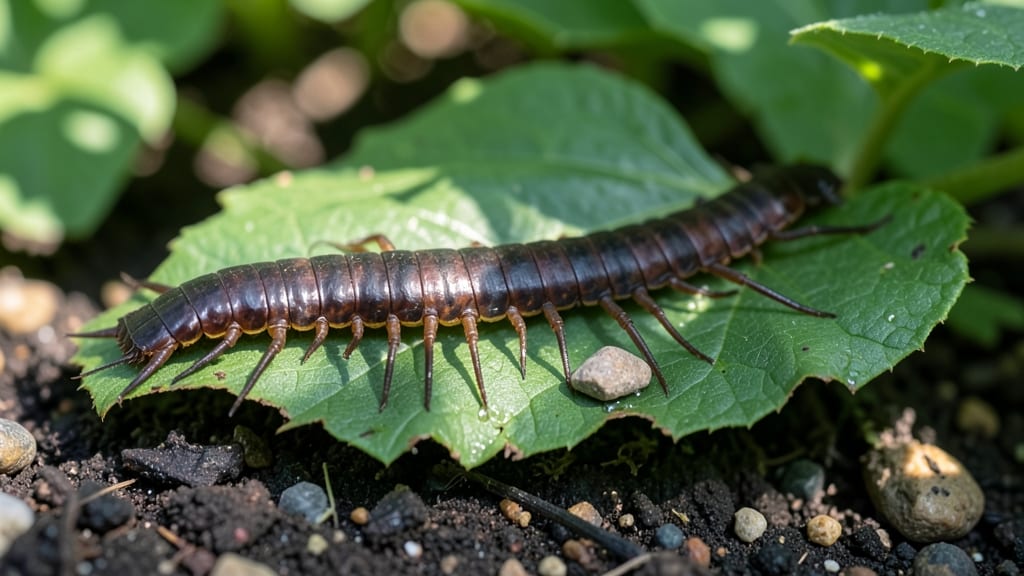
These multi-legged hunters are actually garden allies, feasting on common nuisances like slugs and caterpillars that can devastate plants. 🔥 However, their sudden appearance in swarms often signals an underlying issue—like excessive moisture or an explosion of soft-bodied pests—rather than the centipedes themselves being the problem.
The key is balance: a few centipedes are helpful, but an army might mean your garden's ecosystem is out of whack.
What's fascinating is how their hunting patterns change with seasons. In damp spring months, they thrive on snails and earthworm larvae, while summer brings more spider and mite prey. This natural pest control comes with a trade-off—if their numbers spike, you might lose beneficial insects that pollinate your plants.
The solution? Focus on creating a healthy garden where both predators and prey coexist without taking over.
💡 In This Article
- Centipede Diet: What They Eat in Gardens
- Managing Centipede Populations in Your Garden
Centipede diet: what they eat in gardens
Centipedes are ambush predators with specialized venom glands at the base of each leg pair, allowing them to paralyze prey like slugs and caterpillars in seconds. Their diet primarily consists of soft-bodied insects, which they locate using sensory hairs along their antennae that detect vibrations and chemical trails.
In gardens, they target aphids (up to 50 per night for larger species) and beetle larvae, making them effective natural pest controllers. 🔥 The key factor is their hunting efficiency: a single centipede can consume prey twice its body length, which is why they're often found near mulch or leaf litter where pests hide.
Seasonal feeding patterns reveal their ecological role. During spring, when soil moisture is high, they focus on earthworm larvae and snails—both major plant destroyers.
Summer shifts their menu to spiders (their primary predators) and mites, while autumn brings increased activity as they prepare for winter by consuming more caterpillars and cutworms.
Their venom contains neurotoxins that work within 30-60 seconds, ensuring quick kills that prevent prey from escaping back into the garden ecosystem.
What most gardeners don't realize is how centipedes impact the food web. While they control pests, their overpopulation can disrupt beneficial insects like ladybugs (which eat 100 aphids per day) by preying on their larvae.
This creates a knock-on effect: fewer ladybugs mean more aphids, which then require chemical intervention. The balance point occurs when centipede numbers stay below 5-10 per square yard—any higher suggests an imbalance in your garden's natural pest control system. 🌱
Their hunting behavior also explains why you'll find them near decaying organic matter. Centipedes prefer damp, shaded areas where their prey congregates, such as under mulch piles or rock gardens. Here, they can ambush millipedes (which they sometimes eat despite being detritivores) and soft-bodied grubs.
The trade-off is that their presence in these areas may indicate excessive moisture retention—a condition that also attracts the pests they feed on, creating a feedback loop.
Consider these key prey categories and their garden impact:
- Primary Beneficial Prey: Slugs (reduce 50-70% of damage to young plants), caterpillars (control tomato hornworms), and beetle larvae (target Japanese beetles)
- Neutral Prey: Spiders (their predators) and mites (some species are plant pests)
- Potential Harm: Ladybug larvae and bees (rare but occurs during population surges)
Their hunting success rate reaches 85-90% in controlled environments, but this drops to 60% in diverse garden ecosystems where prey can escape. This explains why centipedes often appear after you've already noticed pest damage—they're responding to an existing problem rather than causing it. 💫